Pelvic Inflammatory Disease
Pelvic Inflammatory Disease (PID) is a serious infection of the female reproductive organs that can have significant health implications if left untreated. Understanding this condition is crucial for early detection and effective management.
Key Takeaways
- PID is an infection of the female reproductive organs, often caused by sexually transmitted bacteria.
- Common symptoms include lower abdominal pain, fever, unusual discharge, and painful intercourse.
- Untreated PID can lead to chronic pain, infertility, and ectopic pregnancy.
- Early diagnosis and antibiotic treatment are essential to prevent long-term complications.
- Prevention involves safe sex practices and regular STI screening.
What is Pelvic Inflammatory Disease (PID)?
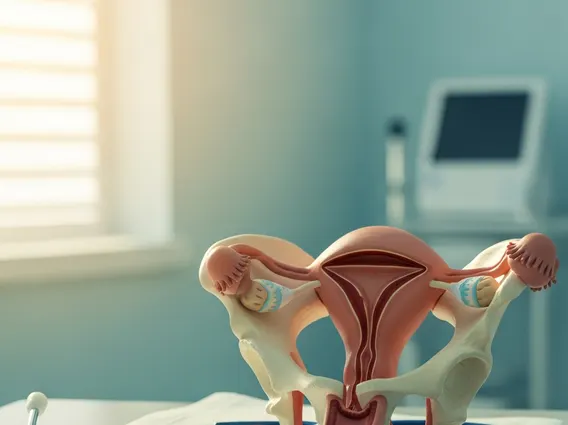
Pelvic Inflammatory Disease (PID) is an infection of the female reproductive organs. It occurs when bacteria, often from sexually transmitted infections (STIs) such as chlamydia and gonorrhea, travel from the vagina and cervix into the uterus, fallopian tubes, and ovaries. PID can affect one or more of these organs, leading to inflammation and potential scarring. According to the Centers for Disease Control and Prevention (CDC), PID affects approximately 5% of reproductive-aged women in the United States, with an estimated 750,000 new cases annually. This condition can range from mild to severe, but even mild cases can cause serious long-term consequences if not treated promptly.
Causes and Recognizing Symptoms of Pelvic Inflammatory Disease
The primary causes of Pelvic Inflammatory Disease are sexually transmitted bacteria, most commonly Chlamydia trachomatis and Neisseria gonorrhoeae. These bacteria can ascend from the vagina and cervix into the upper reproductive tract. Other bacteria that are part of the normal vaginal flora can also contribute to PID, especially when the cervical barrier is compromised. Risk factors for developing PID include having multiple sexual partners, a history of STIs, previous episodes of PID, and douching, which can push bacteria further into the reproductive system.
Recognizing the symptoms of Pelvic Inflammatory Disease is vital for timely diagnosis and treatment. Symptoms can vary widely, with some women experiencing mild or no symptoms, while others suffer from severe discomfort. Common signs and symptoms include:
- Lower abdominal pain, which can range from mild to severe
- Fever and chills
- Unusual or heavy vaginal discharge with an unpleasant odor
- Pain during sexual intercourse (dyspareunia)
- Painful or difficult urination (dysuria)
- Irregular menstrual bleeding or spotting between periods
- Nausea and vomiting
Due to the varied and sometimes subtle nature of these symptoms, PID can be challenging to diagnose. If left untreated, PID can lead to serious complications such as chronic pelvic pain, infertility, and an increased risk of ectopic pregnancy, where a fertilized egg implants outside the uterus.
Treatment and Management of Pelvic Inflammatory Disease
Prompt and effective pelvic inflammatory disease treatment is crucial to prevent long-term complications. Treatment typically involves a course of antibiotics, which can be administered orally or intravenously depending on the severity of the infection. It is essential to complete the entire course of antibiotics, even if symptoms improve, to ensure the infection is fully eradicated. In some cases, hospitalization may be necessary, especially if the patient is severely ill, pregnant, has an abscess, or does not respond to oral antibiotics.
Key aspects of managing PID include:
- Antibiotic Therapy: A combination of antibiotics is often prescribed to cover the range of potential bacterial pathogens.
- Partner Treatment: All sexual partners from the preceding 60 days should be examined and treated for STIs, even if they show no symptoms, to prevent reinfection and further spread.
- Follow-up: A follow-up appointment is usually recommended within 2-3 days of starting treatment to assess improvement and ensure the chosen antibiotic regimen is effective.
- Abstinence: Patients should abstain from sexual intercourse until treatment is complete and symptoms have resolved to avoid reinfection.
While antibiotics can clear the infection, they cannot reverse any scarring or damage that has already occurred to the reproductive organs. Therefore, early diagnosis and treatment are paramount. Prevention strategies, such as practicing safe sex, using condoms consistently and correctly, and getting regular STI screenings, are the most effective ways to reduce the risk of PID.