Pelvic Exenteration
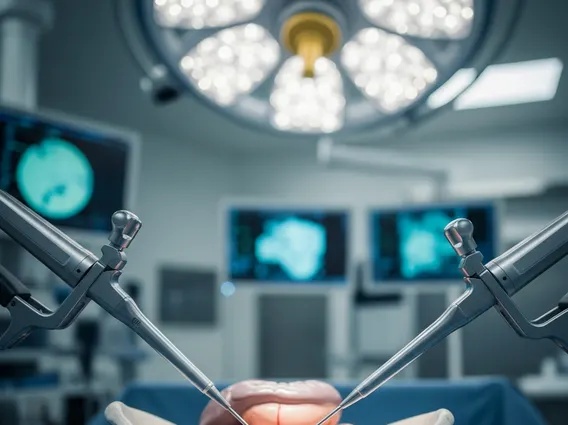
Pelvic exenteration is a radical surgical procedure performed to remove advanced or recurrent cancers in the pelvic region. This complex operation is typically considered when other treatments have failed, offering a potential for cure or significant palliation for carefully selected patients.
Key Takeaways
- Pelvic Exenteration is a major surgery for advanced pelvic cancers, involving the removal of multiple organs.
- The procedure is highly individualized, often including the creation of permanent ostomies (colostomy, urostomy).
- Recovery is extensive, requiring prolonged hospitalization and significant lifestyle adjustments.
- Potential risks include serious complications like infection and fistula, while benefits focus on disease eradication or improved quality of life.
- A multidisciplinary team approach is crucial for managing both the physical and psychological aspects of this surgery.
What is Pelvic Exenteration?
Pelvic Exenteration is a highly invasive surgical procedure that involves the removal of multiple organs from the pelvis, typically performed to treat advanced or recurrent cancers that have not responded to other forms of therapy. This extensive surgery is considered for cancers originating in the rectum, colon, bladder, cervix, uterus, vagina, or vulva, particularly when the disease has spread locally within the pelvis but has not metastasized to distant sites. The goal of this radical intervention is to achieve complete surgical removal of the tumor, thereby offering the best chance for long-term survival or significant symptom relief.
Due to its complexity and the significant impact on a patient’s quality of life, the decision to undergo pelvic exenteration is made after thorough evaluation by a multidisciplinary team of specialists. This team typically includes surgical oncologists, radiation oncologists, medical oncologists, urologists, colorectal surgeons, plastic surgeons, and support staff. Patient selection is critical, focusing on those who are medically fit enough to withstand the extensive surgery and prolonged recovery, and for whom the potential benefits outweigh the substantial risks.
Pelvic Exenteration Procedure Explained
The pelvic exenteration procedure explained involves the removal of organs depending on the extent and location of the cancer. The specific organs removed vary, leading to different classifications of the surgery:
- Anterior Pelvic Exenteration: Involves removal of the bladder, uterus (for women), fallopian tubes, ovaries, vagina (partially or completely), and urethra. A urostomy is created to divert urine.
- Posterior Pelvic Exenteration: Involves removal of the rectum, anus, uterus (for women), fallopian tubes, ovaries, and vagina (partially or completely). A colostomy is created to divert stool.
- Total Pelvic Exenteration: The most extensive form, involving the removal of the bladder, rectum, anus, uterus, fallopian tubes, ovaries, and vagina. Both a urostomy and a colostomy are typically created.
During the surgery, the affected organs, along with surrounding tissues and lymph nodes, are meticulously removed. Following the removal, reconstructive procedures are often performed. This commonly includes the creation of ostomies, which are surgically created openings on the abdomen to allow for the elimination of urine (urostomy) or stool (colostomy) into external collection bags. In some cases, vaginal reconstruction may also be performed using tissue flaps from other parts of the body.
Recovery and Potential Risks of Pelvic Exenteration
Recovery after pelvic exenteration is a long and challenging process, often requiring an extended hospital stay, including time in an intensive care unit. Patients will need significant support to manage pain, nutrition, and the care of their new ostomies. Rehabilitation is crucial, focusing on regaining strength and mobility, and adapting to the profound changes in bodily function and image. Long-term follow-up with medical professionals, ostomy nurses, and support groups is essential for managing the physical and psychological adjustments.
While offering a chance at cure for advanced cancers, there are significant pelvic exenteration risks and benefits. Potential risks are substantial and can include severe complications such as:
- Major blood loss and the need for transfusions.
- Infections, including wound infections and sepsis.
- Fistula formation, which is an abnormal connection between organs or to the skin.
- Bowel obstruction or leakage from reconnected bowel segments.
- Urinary tract complications.
- Deep vein thrombosis and pulmonary embolism.
- Sexual dysfunction and body image issues.
- Psychological distress, including anxiety and depression.
Despite these risks, the primary benefit of pelvic exenteration is the potential for complete removal of advanced or recurrent cancer, which may lead to a cure or a significant extension of life, often with improved symptom control. For patients facing life-threatening disease with no other viable treatment options, this surgery can offer a renewed chance at survival. The decision to proceed with this surgery is highly individual, weighing the potential for disease control against the profound physical and emotional challenges it entails.