
Peg
In the medical field, the term Peg primarily refers to Percutaneous Endoscopic Gastrostomy, a crucial procedure involving the placement of a feeding tube. While the word “peg” has various general interpretations, including those related to different meanings of the word peg in common parlance or its history of pegs in construction, this article focuses exclusively on its critical medical application and significance.
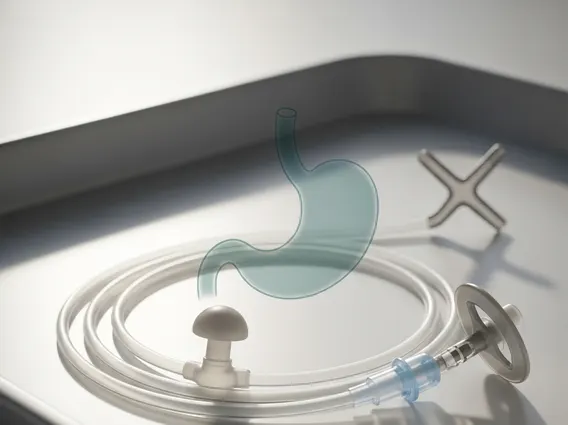
Key Takeaways
- Peg, in a medical context, stands for Percutaneous Endoscopic Gastrostomy, a procedure for placing a feeding tube directly into the stomach.
- PEG tubes are essential for patients unable to swallow safely or adequately, ensuring proper nutrition and hydration.
- Placement involves an endoscope and is generally safe, though potential complications exist.
- Proper care and maintenance of a PEG tube are vital for patient well-being and to prevent complications.
What is Peg? Understanding its Medical Context
In medicine, Peg refers to Percutaneous Endoscopic Gastrostomy, a procedure used to place a feeding tube through the abdominal wall directly into the stomach. This method provides a safe and effective way to deliver nutrition, fluids, and medication directly into the gastrointestinal tract when a patient cannot consume them orally. The procedure is typically performed by a gastroenterologist using an endoscope to guide the tube placement, making it minimally invasive.
The primary goal of a PEG tube is to support patients who have difficulty swallowing (dysphagia) due to various conditions such as neurological disorders (e.g., stroke, Parkinson’s disease), head and neck cancers, or severe trauma. It ensures that individuals receive adequate caloric intake and hydration, which is vital for recovery, maintaining health, and improving quality of life. According to the American Society for Gastrointestinal Endoscopy (ASGE), PEG tube placement is a common procedure, with hundreds of thousands performed annually worldwide, highlighting its importance in clinical practice.
Percutaneous Endoscopic Gastrostomy (PEG) Tube: Uses and Types
A Percutaneous Endoscopic Gastrostomy (PEG) tube is primarily used to provide long-term enteral nutrition to patients who cannot eat or drink sufficiently by mouth. This includes individuals with chronic swallowing difficulties, severe malnutrition, or conditions requiring direct gastric access for medication administration. The procedure involves inserting a flexible tube through a small incision in the abdomen into the stomach, guided by an endoscope.
The main purpose of a PEG tube is to facilitate nutritional support. What is a peg used for in clinical practice extends beyond just feeding; it also allows for the administration of necessary medications and hydration, bypassing the oral cavity and esophagus. This ensures that patients receive vital substances without the risk of aspiration, a common concern for those with dysphagia. The benefits often outweigh the risks for patients requiring prolonged nutritional support.
There are several types of pegs and their uses, though they all serve the fundamental purpose of gastric access. While the core design involves a tube with an internal bumper to secure it in the stomach and an external retention device, variations exist:
- Standard PEG Tubes: These are the most common type, typically placed initially. They are durable and designed for long-term use.
- Low-Profile (Button) PEG Tubes: Also known as gastrostomy buttons, these are shorter and lie flat against the skin, making them less noticeable and potentially more comfortable for active patients. They are often used as replacement tubes after the initial PEG tract has matured.
- Jejunostomy Tubes (PEJ): While not strictly a PEG, a PEJ tube is similar but extends into the jejunum (part of the small intestine). It is used when gastric feeding is not tolerated, such as in cases of severe reflux or gastric emptying issues.
The choice of tube type depends on the patient’s individual needs, activity level, and the specific medical indications. Proper care, including regular cleaning around the stoma site and flushing the tube, is crucial to prevent infection and maintain patency, ensuring the tube functions effectively throughout its use.



















