
Pcos
Pcos is a common hormonal disorder affecting women of reproductive age, characterized by a range of symptoms that can impact overall health and well-being. Understanding this condition is crucial for effective management and improving quality of life.
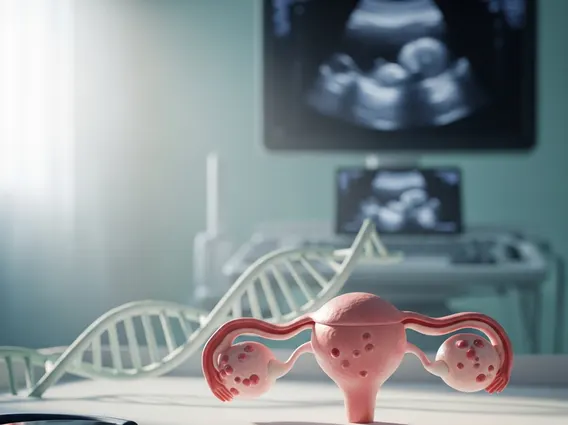
Key Takeaways
- Polycystic Ovary Syndrome (PCOS) is a hormonal disorder affecting 8-13% of women of reproductive age, often leading to irregular periods and elevated androgen levels.
- Common symptoms include irregular menstrual cycles, excess hair growth, acne, and difficulty conceiving.
- Diagnosis involves evaluating symptoms, physical examination, and specific tests based on criteria like the Rotterdam criteria.
- Causes are complex, involving genetics, insulin resistance, and inflammation.
- Treatment focuses on managing symptoms through lifestyle changes, medication, and addressing specific concerns like fertility.
What is Polycystic Ovary Syndrome (PCOS)?
Polycystic Ovary Syndrome (PCOS) is a complex endocrine disorder characterized by an imbalance of reproductive hormones. It is one of the most common hormonal disorders among women of reproductive age, affecting approximately 8-13% globally, with a significant number remaining undiagnosed, as reported by the World Health Organization (WHO).
This condition involves the ovaries, which may develop numerous small collections of fluid (follicles) and fail to regularly release eggs. The hormonal imbalance, particularly elevated levels of androgens (male hormones), plays a central role in the development of its diverse symptoms.
PCOS Symptoms, Causes, and Diagnosis
The manifestations of PCOS symptoms and causes can vary widely among individuals, making it a challenging condition to identify. Common symptoms often include irregular or prolonged menstrual periods, excess androgen levels leading to clinical signs like hirsutism (excess body and facial hair), severe acne, and male-pattern baldness. Additionally, many women with PCOS experience weight gain, fatigue, and difficulty with fertility.
The exact causes of PCOS are not fully understood, but a combination of genetic and environmental factors is believed to contribute. Key factors include genetic predisposition, insulin resistance (where the body’s cells don’t respond properly to insulin, leading to higher insulin levels that can increase androgen production), and low-grade inflammation. These elements interact to disrupt the normal hormonal balance and ovarian function.
To determine how to diagnose PCOS, healthcare providers typically rely on a comprehensive evaluation that includes a review of medical history, a physical examination, and specific diagnostic tests. The most widely accepted diagnostic criteria are the Rotterdam criteria, which require the presence of at least two of the following three conditions:
- Oligo-ovulation or anovulation (irregular or absent menstrual periods).
- Clinical or biochemical signs of hyperandrogenism (e.g., hirsutism, acne, androgen levels in blood tests).
- Polycystic ovaries on ultrasound (presence of 12 or more follicles measuring 2-9 mm in at least one ovary, or an ovarian volume greater than 10 mL).
Blood tests are also crucial to rule out other conditions that might mimic PCOS symptoms and to assess hormone levels, glucose tolerance, and cholesterol.
Managing PCOS: Treatment Approaches
Managing PCOS treatment options often involves a multi-faceted approach tailored to individual symptoms, health goals, and life stage, such as fertility planning or managing cosmetic concerns. The primary objectives are to alleviate symptoms, reduce the risk of long-term complications, and improve overall quality of life.
Lifestyle modifications are typically the first line of treatment. These include dietary changes, such as adopting a balanced diet rich in whole foods and low in refined carbohydrates, and regular physical activity. Even a modest weight loss of 5-10% can significantly improve insulin sensitivity, regulate menstrual cycles, and reduce androgen levels.
Medical treatments may be prescribed to address specific symptoms. Oral contraceptives are commonly used to regulate menstrual cycles, reduce androgen levels, and clear acne. Metformin, an insulin-sensitizing drug, may be prescribed to improve insulin resistance, which can help with ovulation and reduce androgen production. Anti-androgen medications can help manage symptoms like hirsutism and acne. For women trying to conceive, fertility treatments such as ovulation induction medications may be recommended.
It is important to note that while some individuals explore complementary therapies, these should always be discussed with a healthcare provider and are intended to support, not replace, conventional medical treatment.



















