Parietal Peritoneum
The parietal peritoneum is a crucial component of the human anatomy, forming a protective lining within the abdominal and pelvic cavities. Understanding its specific location, functions, and the conditions that can cause it pain is fundamental in medical diagnostics and treatment.
Key Takeaways
- The Parietal Peritoneum is the outer layer of the peritoneum, lining the internal walls of the abdominal and pelvic cavities.
- Its primary function is to provide a smooth, lubricated surface, allowing abdominal organs to move freely without friction.
- Unlike the visceral peritoneum, it is richly innervated by somatic nerves, making it highly sensitive to pain, pressure, and temperature.
- Pain originating from the parietal peritoneum is typically sharp, well-localized, and often indicates inflammation or irritation of the abdominal lining.
- Conditions such as peritonitis, appendicitis, and diverticulitis are common causes of parietal peritoneal pain.
What is the Parietal Peritoneum?
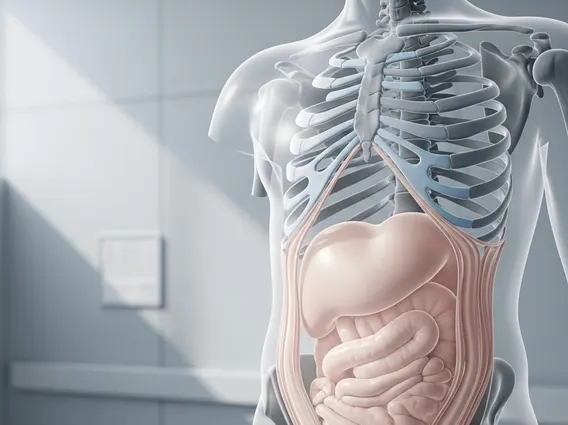
The Parietal Peritoneum refers to the outer layer of the peritoneum, a vast, thin, serous membrane that lines the walls of the abdominal and pelvic cavities. This membrane is distinct from the visceral peritoneum, which covers the organs themselves. The parietal peritoneum location is fixed to the inner surfaces of the abdominal and pelvic walls, the inferior surface of the diaphragm, and the anterior surfaces of retroperitoneal structures like the kidneys and aorta. It serves as a crucial boundary, separating the abdominal organs from the muscular wall. Unlike the visceral peritoneum, the parietal peritoneum is richly supplied by somatic nerves, making it highly sensitive to pain, pressure, temperature, and touch. This extensive innervation allows for precise localization of pain, which is a key characteristic distinguishing it from the less sensitive visceral peritoneum.
Parietal Peritoneum Function and Structure
The primary parietal peritoneum function is to form a protective barrier and provide a smooth, lubricated surface that allows the abdominal and pelvic organs to move freely against each other and the abdominal wall without friction. This lubrication is facilitated by the serous fluid secreted into the peritoneal cavity, the potential space between the parietal and visceral layers. This fluid minimizes friction during digestive movements, respiration, and changes in body position. Structurally, the parietal peritoneum consists of a single layer of simple squamous epithelial cells, known as mesothelium, supported by a thin layer of connective tissue. This mesothelial layer is crucial for various physiological processes, including fluid transport, immune surveillance, and the absorption of substances. Its extensive surface area, estimated to be approximately 1.7 square meters in an adult, underscores its significant role in maintaining the internal environment of the abdominal cavity. Furthermore, the parietal peritoneum plays a role in preventing the spread of infection by localizing inflammatory processes.
Causes of Parietal Peritoneum Pain
Pain originating from the parietal peritoneum pain causes is typically sharp, well-localized, and often exacerbated by movement, coughing, or deep breathing, reflecting its somatic nerve innervation. This type of pain is a critical indicator of underlying abdominal pathology, signaling irritation or inflammation of this sensitive membrane. The precise location and character of the pain can often guide clinicians toward a specific diagnosis.
Common conditions leading to parietal peritoneum pain include:
- Peritonitis: This is a widespread or localized inflammation of the peritoneum, frequently caused by bacterial infection resulting from a ruptured appendix, perforated ulcer, or diverticulitis. It can also be triggered by chemical irritants such as bile or pancreatic enzymes leaking into the peritoneal cavity.
- Appendicitis: Inflammation of the appendix, if left untreated, can progress to rupture, leading to localized peritonitis and characteristic severe pain in the right lower quadrant of the abdomen.
- Diverticulitis: Inflammation of diverticula (small pouches) in the colon can result in perforation and localized peritonitis, typically causing pain in the left lower quadrant.
- Ectopic Pregnancy Rupture: A ruptured ectopic pregnancy can cause blood to accumulate and irritate the peritoneum, leading to sudden and acute abdominal pain, often accompanied by signs of shock.
- Pancreatitis: Severe inflammation of the pancreas can release potent digestive enzymes into the peritoneal cavity, causing chemical peritonitis and intense, radiating abdominal pain.
- Trauma or Surgical Procedures: Direct injury to the abdominal wall or surgical manipulation during abdominal operations can directly irritate the parietal peritoneum, contributing significantly to postoperative pain.
Early recognition and accurate diagnosis of parietal peritoneum pain are paramount for effective management, as many of the underlying conditions require urgent medical intervention to prevent severe complications.