
Parenteral Nutrition
Parenteral Nutrition (PN) is a critical medical intervention that delivers essential nutrients directly into a patient’s bloodstream, bypassing the digestive system. This therapy is employed when individuals cannot absorb nutrients adequately through their gastrointestinal tract.
Key Takeaways
- Parenteral Nutrition provides nutrients intravenously when the digestive system cannot function.
- It delivers a complete nutritional solution, including carbohydrates, proteins, fats, vitamins, and minerals.
- PN works by supplying these vital components directly into the bloodstream, typically via a central or peripheral vein.
- Types include Total Parenteral Nutrition (TPN) for complete nutritional support and Peripheral Parenteral Nutrition (PPN) for partial support.
- Potential side effects range from metabolic complications to infection, necessitating careful monitoring.
What is Parenteral Nutrition?
Parenteral Nutrition (PN) refers to the intravenous administration of nutrients, including carbohydrates, proteins, fats, vitamins, minerals, and electrolytes, directly into the bloodstream. This method is crucial for patients whose gastrointestinal (GI) tract is either non-functional, severely compromised, or requires complete rest. Conditions necessitating PN can include severe inflammatory bowel disease, short bowel syndrome, prolonged ileus, intestinal obstruction, or severe malabsorption disorders. The goal of PN is to prevent malnutrition and support patient recovery when oral or enteral feeding is not possible or sufficient.
The formulation of PN is highly individualized, tailored to meet the specific metabolic needs of each patient, considering factors such as age, weight, underlying medical conditions, and energy requirements. This personalized approach ensures patients receive the precise balance of nutrients necessary for recovery, highlighting its vital role in complex medical scenarios.
How Parenteral Nutrition Works and Its Types
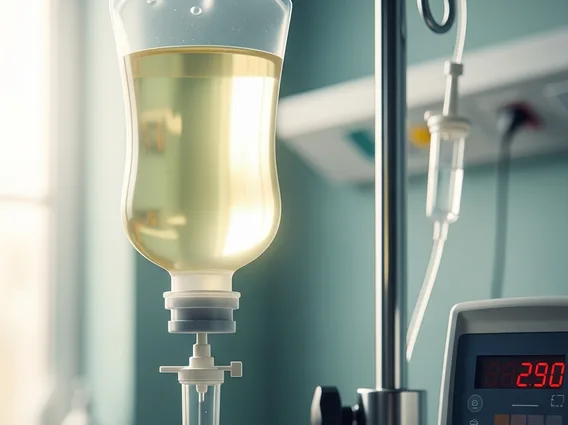
Parenteral Nutrition works by delivering a specially formulated solution directly into a patient’s circulatory system, bypassing the normal digestive process. This solution, often referred to as a “total nutrient admixture,” contains all the macronutrients (glucose for energy, amino acids for protein synthesis, and lipids for essential fatty acids and concentrated energy) and micronutrients (vitamins and trace elements) required for bodily functions. The intravenous route ensures immediate availability of these nutrients to cells and tissues throughout the body.
There are primarily two main types of parenteral nutrition, distinguished by the type of vein used for administration and the concentration of the nutrient solution:
- Total Parenteral Nutrition (TPN): TPN delivers a highly concentrated nutrient solution through a central venous catheter, typically placed in a large vein such as the subclavian or jugular vein, which empties into the superior vena cava. This allows for the administration of solutions with higher osmolarity, providing complete nutritional support for extended periods. TPN is used when patients require full caloric and nutritional needs to be met intravenously.
- Peripheral Parenteral Nutrition (PPN): PPN involves the administration of a less concentrated nutrient solution through a peripheral vein, usually in the arm. Due to the smaller size of peripheral veins, the osmolarity of PPN solutions must be lower to prevent vein irritation and phlebitis. PPN is typically used for shorter durations (less than two weeks) or when only partial nutritional support is needed, often as a supplement to oral or enteral intake.
Both methods require meticulous preparation and administration to minimize complications.
Potential Side Effects of Parenteral Nutrition
While Parenteral Nutrition is life-saving, it is associated with several potential parenteral nutrition side effects that require careful monitoring and management. These complications can be broadly categorized into metabolic, infectious, and mechanical issues.
Metabolic complications are common due to the direct delivery of nutrients into the bloodstream, bypassing the regulatory mechanisms of the digestive system. These can include:
- Hyperglycemia (high blood sugar) or hypoglycemia (low blood sugar)
- Electrolyte imbalances (e.g., abnormal levels of potassium, sodium, calcium, magnesium, phosphate)
- Liver dysfunction, ranging from elevated liver enzymes to cholestasis or fatty liver
- Refeeding syndrome, a potentially fatal shift in fluids and electrolytes that can occur in malnourished patients initiating aggressive nutritional support
- Bone demineralization (metabolic bone disease) with long-term PN use
Infectious complications are a significant concern because central venous catheters provide a direct pathway for bacteria or fungi to enter the bloodstream, leading to catheter-related bloodstream infections (CRBSIs). These infections can be severe, necessitating strict aseptic techniques during catheter insertion and maintenance. Mechanical complications can arise from the catheter itself, such as pneumothorax during insertion, catheter occlusion, or dislodgement.
Regular monitoring of blood glucose, electrolytes, liver function, and infection markers is essential to detect and manage these side effects promptly. Clinical guidelines from organizations like the American Society for Parenteral and Enteral Nutrition (ASPEN) provide recommendations for safe PN administration and complication prevention. Healthcare providers must continuously assess the patient’s condition and adjust the PN formulation to mitigate risks and optimize outcomes.



















