Parasympathetic Nervous System
The Parasympathetic Nervous System (PNS) is a crucial component of the autonomic nervous system, responsible for regulating the body’s involuntary functions when at rest. It plays a vital role in maintaining overall bodily balance and promoting restorative processes.
Key Takeaways
- The Parasympathetic Nervous System is a division of the autonomic nervous system, often called the “rest and digest” system.
- Its primary function is to conserve energy, slow the heart rate, increase intestinal and gland activity, and relax sphincter muscles.
- It works in opposition to the sympathetic nervous system, helping to maintain the body’s internal equilibrium.
- Key actions include stimulating digestion, decreasing heart rate, and promoting relaxation.
- The PNS is essential for recovery, growth, and maintaining long-term health.
What is the Parasympathetic Nervous System?
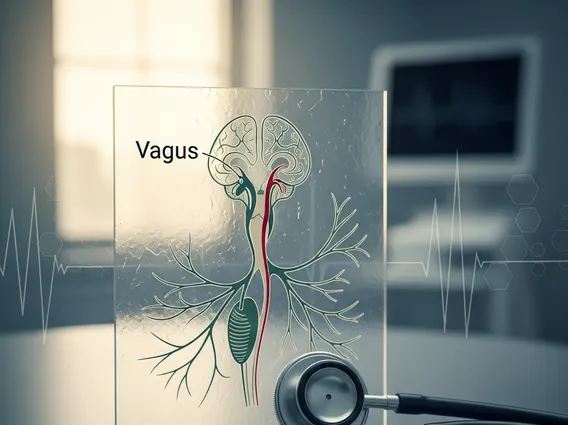
The Parasympathetic Nervous System (PNS) is one of two primary divisions of the autonomic nervous system (ANS), which governs involuntary bodily functions. Often referred to as the “rest and digest” system, its main objective is to conserve energy and promote bodily functions that occur when the body is at rest, such as digestion, urination, and sexual arousal. This system works in direct opposition to the sympathetic nervous system, which prepares the body for “fight or flight” responses. The parasympathetic nervous system explained involves a complex network of nerves originating from the brainstem (cranial nerves) and the sacral region of the spinal cord. These nerves extend to various organs, glands, and smooth muscles throughout the body, orchestrating a coordinated response that prioritizes recovery and maintenance. Its actions are entirely involuntary, ensuring that essential physiological processes continue without conscious effort, thereby maintaining internal equilibrium, or homeostasis.
Functions and Role of the Parasympathetic Nervous System
The function of parasympathetic nervous system is extensive, primarily aimed at fostering an anabolic state where the body can build and repair tissues, store energy, and process nutrients. This system is crucial for bringing the body back to a state of calm after a stressful event, effectively reversing the physiological changes induced by the sympathetic nervous system. The role of parasympathetic nervous system is thus indispensable for daily bodily maintenance, long-term health, and overall well-being, influencing a wide array of physiological processes that support rest and recovery.
Here are some key functions regulated by the Parasympathetic Nervous System:
- Cardiovascular Regulation: It significantly decreases the heart rate and reduces blood pressure, promoting a state of relaxation and conserving cardiac energy.
- Digestive Stimulation: The PNS enhances digestive processes by increasing saliva production, stimulating peristalsis—the wave-like muscle contractions that move food through the gastrointestinal tract—and boosting the secretion of digestive enzymes and bile, all of which facilitate efficient nutrient absorption.
- Respiratory Control: It causes the constriction of bronchioles in the lungs and slows down the breathing rate, optimizing gas exchange during periods of low activity.
- Pupil Constriction: The system narrows the pupils (miosis) to reduce the amount of light entering the eyes, which is often associated with relaxation or focusing on near objects.
- Urinary Function: It promotes urination by contracting the bladder wall and relaxing the internal urethral sphincter, allowing for the efficient elimination of waste.
- Sexual Arousal: The PNS plays a critical role in the physiological mechanisms of sexual arousal, particularly in facilitating processes like penile erection in males and clitoral engorgement in females.
These coordinated actions collectively ensure that the body can effectively rest, efficiently digest food, repair and regenerate tissues, and conserve energy resources. This intricate balance is fundamental for maintaining optimal health and ensuring the body’s capacity to recover from daily demands and stress.