Parasitic
In the realm of medicine and biology, the term Parasitic refers to organisms that live on or in a host and get their food from or at the expense of their host. These interactions are a significant area of study in infectious diseases and public health.
Key Takeaways
- Parasitic organisms are diverse, ranging from microscopic protozoa to macroscopic worms and insects, all dependent on a host for survival.
- Parasitic infections are caused by these organisms, leading to a wide array of health issues globally.
- Parasites can affect humans through various mechanisms, including nutrient deprivation, organ damage, and immune system modulation.
- Symptoms of parasitic diseases vary greatly depending on the type of parasite and the affected organ system, often including gastrointestinal issues, fatigue, and skin manifestations.
- Effective diagnosis and treatment are crucial for managing parasitic infections and preventing their spread.
What is Parasitic: Defining Parasitic Organisms
A parasitic organism is an entity that lives in or on another organism, known as the host, and benefits by deriving nutrients at the host’s expense. This relationship is typically detrimental to the host, causing varying degrees of harm. Parasites are incredibly diverse, encompassing a wide range of life forms, from single-celled microorganisms to complex multicellular animals. Their survival strategy hinges on their ability to exploit the host’s resources, often without immediately killing them, allowing for prolonged nutrient acquisition and reproduction.
Parasites can be broadly categorized into several groups based on their biological characteristics and how they interact with their hosts. These include protozoa, which are single-celled eukaryotic organisms like Giardia and Plasmodium (the cause of malaria); helminths, which are multicellular worms such as tapeworms, flukes, and roundworms; and ectoparasites, which live on the exterior of the host, including ticks, fleas, and lice. The study of these organisms and the diseases they cause is essential for understanding global health challenges.
Types of Parasitic Infections and Human Health Effects
Parasitic infections are a significant global health concern, affecting millions of people worldwide, particularly in tropical and subtropical regions with limited access to clean water and sanitation. These infections occur when humans become hosts to parasitic organisms, which can enter the body through contaminated food or water, insect bites, or direct contact. The specific type of infection depends on the parasite involved, its life cycle, and its preferred host environment.
How Parasites Affect Humans
Parasites can affect humans in numerous ways, leading to a spectrum of health issues. Their impact often depends on the parasite’s species, the number of parasites present, and the host’s immune response. Some parasites directly consume the host’s nutrients, leading to malnutrition and growth impairment, especially in children. Others cause physical damage to tissues and organs as they migrate through the body or establish residence, such as liver damage from flukes or intestinal obstruction from large worm burdens. For example, hookworms can cause chronic blood loss, leading to iron deficiency anemia.
Furthermore, parasites can trigger immune responses that, while attempting to clear the infection, may also contribute to pathology. Chronic inflammation, allergic reactions, and autoimmune phenomena can result from persistent parasitic presence. Some parasites, like the malaria parasite Plasmodium falciparum, directly destroy host cells (red blood cells), leading to severe anemia and organ dysfunction. According to the World Health Organization (WHO), parasitic diseases like malaria, schistosomiasis, and lymphatic filariasis continue to cause substantial morbidity and mortality globally, underscoring the profound ways in which parasites affect human health.
Common Symptoms of Parasitic Diseases
The symptoms of parasitic diseases are highly variable, reflecting the diversity of parasites and their interactions with different host tissues and organ systems. Many parasitic infections can be asymptomatic, especially in their early stages or in individuals with robust immune systems. However, when symptoms do manifest, they can range from mild discomfort to severe, life-threatening conditions. Common symptoms often involve the gastrointestinal tract, given that many parasites enter the body through ingestion and reside in the intestines.
Other symptoms can be systemic or localized to specific organs. Recognizing these signs is crucial for timely diagnosis and treatment. Some common symptoms include:
- Gastrointestinal issues: Diarrhea, constipation, abdominal pain, bloating, nausea, and vomiting are frequently observed, particularly with intestinal parasites like Giardia or Cryptosporidium.
- Fatigue and weakness: Chronic infections can lead to persistent tiredness, often due to nutrient malabsorption or anemia.
- Skin manifestations: Rashes, itching, sores, or visible tracks under the skin can occur with ectoparasites or migrating larval stages of some helminths.
- Fever and chills: Common in systemic infections like malaria, which is characterized by cyclical fever patterns.
- Weight loss: Unexplained weight loss can be a symptom, especially in chronic infections where parasites compete for nutrients.
- Neurological symptoms: In rare cases, parasites can affect the brain, leading to headaches, seizures, or cognitive impairment.
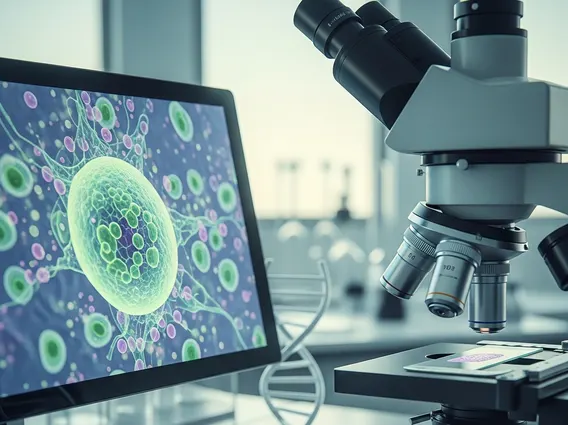
Diagnosis typically involves microscopic examination of stool samples, blood tests, or imaging studies, followed by specific antiparasitic medications. Early intervention is key to preventing severe complications and improving patient outcomes.