
Paramyxovirus
Paramyxoviruses represent a significant family of RNA viruses known for causing a wide range of diseases in humans and animals. These viruses are responsible for common childhood illnesses as well as more severe respiratory and systemic infections globally.
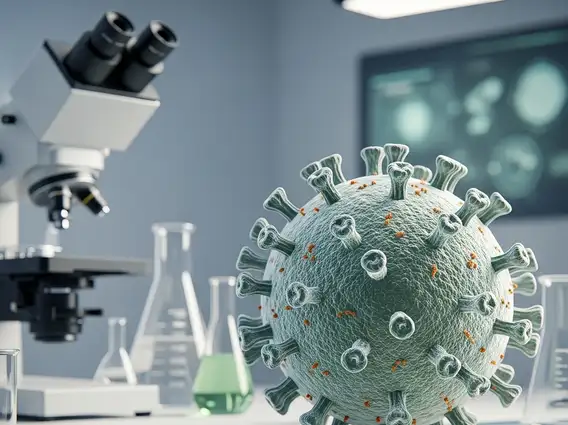
Key Takeaways
- Paramyxovirus is a family of RNA viruses that cause various diseases in humans and animals.
- Common human infections include measles, mumps, and respiratory syncytial virus (RSV).
- Symptoms can range from mild respiratory issues to severe systemic complications affecting multiple organs.
- Transmission typically occurs through respiratory droplets, making them highly contagious.
- Vaccination plays a crucial role in preventing several paramyxovirus-related diseases, such as measles and mumps.
What is Paramyxovirus?
A Paramyxovirus refers to any virus belonging to the family Paramyxoviridae, which are enveloped, single-stranded RNA viruses. These viruses are characterized by their ability to cause syncytia (multinucleated cells) in infected tissues and are known for their pleomorphic (variable shape) nature. The family includes several genera, many of which are significant human and animal pathogens. Understanding the paramyxovirus definition and examples is crucial for public health, as these viruses are responsible for widespread infections.
Historically, paramyxoviruses have been a major cause of morbidity and mortality worldwide. For instance, measles, caused by the measles virus (a paramyxovirus), led to an estimated 134,200 deaths globally in 2022, primarily among unvaccinated children, according to the World Health Organization (WHO). This highlights the ongoing impact and importance of vaccination and disease control measures against these pathogens.
Paramyxovirus Symptoms in Humans
The paramyxovirus symptoms in humans vary significantly depending on the specific virus involved, but often include respiratory and systemic manifestations. Many paramyxoviruses primarily target the respiratory tract, while others can spread throughout the body, affecting multiple organ systems. Common symptoms across various paramyxovirus infections can include:
- Fever and chills
- Cough and runny nose
- Sore throat
- Muscle aches and fatigue
- Rash (e.g., measles)
- Swelling of salivary glands (e.g., mumps)
- Difficulty breathing or wheezing (e.g., RSV)
In infants and young children, infections like Respiratory Syncytial Virus (RSV) can lead to severe bronchiolitis and pneumonia, requiring hospitalization. Adults and older children typically experience milder, cold-like symptoms from RSV. The incubation period also varies, generally ranging from a few days to two weeks, after which symptoms begin to appear.
Types of Paramyxovirus Diseases and Examples
The types of paramyxovirus diseases are diverse, encompassing a range of illnesses from mild to life-threatening. These viruses are classified into subfamilies and genera, each containing specific viruses that cause distinct clinical syndromes. Here are some prominent examples of paramyxovirus diseases affecting humans:
| Disease | Causative Virus | Primary Symptoms/Impact |
|---|---|---|
| Measles (Rubeola) | Measles virus (MeV) | High fever, cough, coryza, conjunctivitis, Koplik’s spots, widespread maculopapular rash. Can lead to pneumonia, encephalitis. |
| Mumps | Mumps virus (MuV) | Fever, headache, muscle aches, fatigue, loss of appetite, and characteristic swelling of the parotid salivary glands. Can cause orchitis, meningitis. |
| Respiratory Syncytial Virus (RSV) Infection | Respiratory Syncytial Virus (RSV) | Common cold-like symptoms in adults; severe bronchiolitis and pneumonia in infants and young children. |
| Human Metapneumovirus (hMPV) Infection | Human Metapneumovirus (hMPV) | Respiratory illness similar to RSV, including bronchiolitis, pneumonia, and asthma exacerbations. |
| Parainfluenza Virus (PIV) Infection | Human Parainfluenza Viruses (HPIV-1, -2, -3, -4) | Common cause of upper and lower respiratory tract illnesses, including croup, bronchitis, and pneumonia, especially in young children. |
These examples illustrate the broad impact of paramyxoviruses on human health, ranging from highly contagious childhood diseases preventable by vaccination to common respiratory infections that can be severe in vulnerable populations. Public health strategies, including vaccination programs and hygiene practices, are critical in controlling the spread and mitigating the effects of these viral agents.



















