Paracentesis
Paracentesis is a common medical procedure used to remove fluid from the abdominal cavity. This article will explore its indications, how it is performed, and what patients can expect regarding its risks and benefits.
Key Takeaways
- Paracentesis is a procedure to drain excess fluid (ascites) from the abdomen.
- It is primarily used for diagnostic analysis of the fluid or to relieve symptoms caused by large fluid accumulation, such as pain and difficulty breathing.
- The procedure involves inserting a thin needle or catheter into the abdomen under sterile conditions, often guided by ultrasound.
- While generally safe, potential risks include infection, bleeding, and fluid leakage.
- Patients typically experience significant symptom relief, especially from discomfort and shortness of breath, making it a vital treatment for conditions like advanced liver disease.
What is Paracentesis: Procedure and Indications
Paracentesis refers to a medical procedure involving the removal of fluid from the peritoneal cavity, the space within the abdomen. This fluid accumulation, known as ascites, is often a symptom of underlying conditions such as severe liver disease (cirrhosis), heart failure, kidney failure, or certain cancers. The paracentesis procedure is performed for both diagnostic and therapeutic purposes. Diagnostically, fluid samples are analyzed to determine the cause of ascites, check for infection (spontaneous bacterial peritonitis), or identify cancer cells. Therapeutically, it relieves symptoms caused by large volumes of fluid, such as abdominal pain, bloating, shortness of breath, and early satiety. For instance, paracentesis for ascites treatment is a common intervention for patients with refractory ascites due to cirrhosis, where diuretics are no longer effective. According to the American Association for the Study of Liver Diseases (AASLD), ascites affects approximately 50% of patients with compensated cirrhosis within 10 years, often requiring therapeutic paracentesis for symptom management.
How is Paracentesis Performed?
The procedure for Paracentesis is typically performed in a hospital or outpatient clinic setting by a trained healthcare professional. Patients are usually asked to empty their bladder before the procedure to reduce the risk of injury. The steps involved are:
- Patient Positioning: The patient is usually positioned semi-upright or lying on their side to allow fluid to pool in the lower abdomen.
- Site Selection and Sterilization: The healthcare provider identifies the optimal insertion site, typically in the lower abdomen, often using ultrasound guidance to ensure safety and accuracy. The skin is then thoroughly cleaned with an antiseptic solution.
- Local Anesthesia: A local anesthetic is injected into the skin and underlying tissues at the insertion site to numb the area, minimizing discomfort during the procedure.
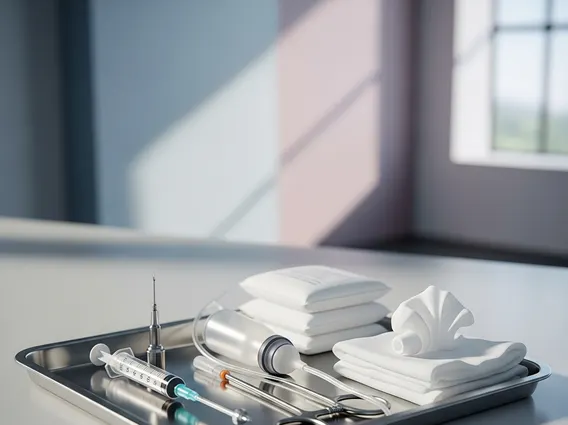
- Fluid Aspiration: A thin needle or catheter is carefully inserted through the abdominal wall into the peritoneal cavity. Once the catheter is in place, it is connected to a drainage system, and the ascitic fluid is slowly drained. The amount of fluid removed varies depending on the patient’s condition and the purpose of the procedure, ranging from a few milliliters for diagnostic sampling to several liters for therapeutic relief.
- Post-Procedure Care: After the desired amount of fluid is drained, the catheter is removed, and a sterile dressing is applied to the insertion site. Patients are monitored for a short period to ensure stability.
Paracentesis: Risks, Benefits, and What to Expect
Understanding the potential paracentesis risks and benefits is crucial for patients considering this procedure. While generally safe, like any medical intervention, it carries some potential risks.
Potential Risks:
- Infection: Although rare with sterile technique, there is a small risk of infection at the insertion site or within the peritoneal cavity (peritonitis).
- Bleeding: Minor bleeding or bruising at the insertion site is common. More significant bleeding, though uncommon, can occur, especially in patients with clotting disorders.
- Fluid Leakage: Sometimes, ascitic fluid may leak from the insertion site after the catheter is removed. This usually resolves on its own but may require additional dressing changes.
- Bowel Perforation: Extremely rare, but there is a minimal risk of inadvertently puncturing the bowel during insertion. Ultrasound guidance significantly reduces this risk.
- Hypotension: Rapid removal of a large volume of fluid can sometimes lead to a temporary drop in blood pressure. This is often managed by administering albumin intravenously, especially after large-volume paracentesis (typically >5 liters), to help maintain intravascular volume.
Benefits:
The benefits of paracentesis often significantly outweigh the risks, particularly for patients suffering from symptomatic ascites.
- Symptom Relief: The most immediate and profound benefit is the relief of symptoms such as abdominal pain, distension, shortness of breath, and discomfort, which can greatly improve a patient’s quality of life.
- Diagnostic Information: For diagnostic purposes, the procedure provides critical information about the cause of ascites, guiding further treatment decisions.
- Improved Mobility and Appetite: Reducing abdominal pressure can enhance mobility and improve appetite, contributing to overall well-being.
Patients can expect to feel immediate relief from pressure and discomfort after the procedure. The site may be slightly sore, but pain is usually manageable with over-the-counter pain relievers. Follow-up care will depend on the underlying cause of the ascites and the results of the fluid analysis.