Pancreatic Neuroendocrine Tumor
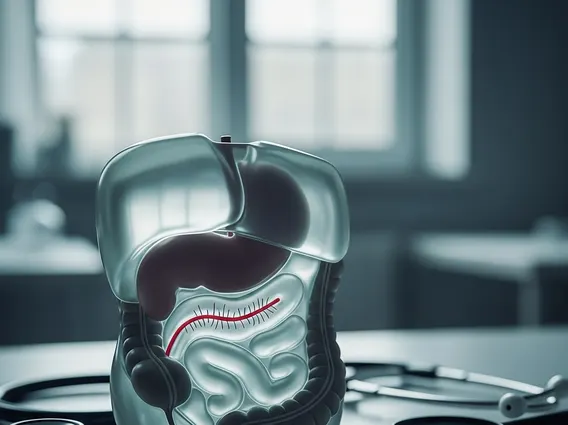
A Pancreatic Neuroendocrine Tumor (PNET) is a rare type of cancer that originates in the hormone-producing cells of the pancreas. These tumors can behave differently from the more common pancreatic adenocarcinoma, often growing more slowly.

Key Takeaways
- Pancreatic Neuroendocrine Tumors (PNETs) are rare cancers originating in the pancreas’ hormone-producing cells.
- Their causes are often unknown, but specific genetic syndromes can increase risk.
- Symptoms vary widely depending on whether the tumor produces hormones and its location.
- Diagnosis involves imaging, blood tests, and biopsy to confirm the presence and type of PNET.
- Treatment options range from surgery to targeted therapies, tailored to the tumor’s characteristics and stage.
What is a Pancreatic Neuroendocrine Tumor (PNET) and Its Causes?
A Pancreatic Neuroendocrine Tumor (PNET), also known as an islet cell tumor, is a rare form of cancer that develops from neuroendocrine cells in the pancreas. These cells are responsible for producing hormones like insulin and glucagon, which regulate various bodily functions. PNETs can be functional, meaning they produce excess hormones that lead to specific symptoms, or non-functional, where they do not produce significant amounts of hormones and are often discovered later due to their size or pressure on surrounding organs. According to the National Cancer Institute, PNETs account for less than 2% of all pancreatic cancers, making them quite uncommon.
The exact causes of pancreatic neuroendocrine tumors are often unknown, but certain genetic syndromes are associated with an increased risk. These inherited conditions can predispose individuals to developing PNETs. Some of the notable genetic links include:
- Multiple Endocrine Neoplasia type 1 (MEN1): This syndrome is the most common genetic cause, leading to tumors in the parathyroid glands, pituitary gland, and pancreas.
- Von Hippel-Lindau (VHL) syndrome: Associated with tumors in various parts of the body, including the pancreas.
- Neurofibromatosis type 1 (NF1): Can lead to the development of neuroendocrine tumors, though less commonly in the pancreas.
- Tuberous Sclerosis Complex (TSC): Another genetic condition linked to an increased risk of PNETs.
Beyond these genetic factors, most PNETs occur sporadically without a clear inherited cause. Research continues to explore other potential risk factors, but environmental or lifestyle links are not yet well-established.
Pancreatic Neuroendocrine Tumor Symptoms
The pancreatic neuroendocrine tumor symptoms can vary significantly depending on whether the tumor is functional (producing hormones) or non-functional, and its size and location within the pancreas. Functional tumors often present with symptoms related to the excess hormone production, while non-functional tumors typically cause symptoms when they grow large enough to press on nearby organs.
For functional PNETs, symptoms are specific to the hormone being overproduced:
- Insulinoma (excess insulin): Low blood sugar (hypoglycemia) causing weakness, sweating, confusion, rapid heartbeat, and hunger.
- Gastrinoma (excess gastrin): Zollinger-Ellison syndrome, characterized by severe stomach ulcers, abdominal pain, diarrhea, and acid reflux.
- Glucagonoma (excess glucagon): High blood sugar (diabetes), a distinctive skin rash (necrolytic migratory erythema), weight loss, and blood clots.
- VIPoma (excess vasoactive intestinal peptide): Severe watery diarrhea, dehydration, and low potassium levels.
- Somatostatinoma (excess somatostatin): Diabetes, gallstones, diarrhea, and weight loss (a less common type).
Non-functional PNETs, which do not produce hormones, may cause more general symptoms as they grow. These can include abdominal pain or discomfort, unexplained weight loss, nausea, vomiting, or jaundice if the tumor blocks the bile duct. Due to the non-specific nature of these symptoms, non-functional PNETs are often diagnosed at a more advanced stage.
Treatment Options for Pancreatic Neuroendocrine Tumors
The approach to pancreatic neuroendocrine tumor treatment is highly individualized, depending on the tumor’s type, size, location, whether it has spread, and the patient’s overall health. The primary goal is often to remove the tumor, control its growth, and manage symptoms caused by hormone overproduction.
Treatment options may include:
| Treatment Type | Description | When Used |
|---|---|---|
| Surgery | Surgical removal of the tumor, which can range from partial pancreatectomy to more extensive procedures like the Whipple procedure. | For localized tumors that can be completely removed; often curative. |
| Targeted Therapy | Drugs that specifically target cancer cells by interfering with their growth and spread, such as everolimus or sunitinib. | For advanced or metastatic PNETs, especially those that are well-differentiated. |
| Chemotherapy | Uses powerful drugs to kill fast-growing cancer cells throughout the body. | Primarily for more aggressive or poorly differentiated PNETs. |
| Somatostatin Analogs | Medications like octreotide or lanreotide that can control hormone-related symptoms and sometimes slow tumor growth. | For functional PNETs to manage symptoms; also for well-differentiated, advanced PNETs. |
| Peptide Receptor Radionuclide Therapy (PRRT) | A specialized treatment that delivers radiation directly to neuroendocrine tumor cells using a radioactive drug attached to a somatostatin analog. | For advanced, well-differentiated PNETs that express somatostatin receptors. |
| Liver-Directed Therapies | Procedures like embolization or radiofrequency ablation to treat PNETs that have spread to the liver. | To manage liver metastases and reduce symptoms. |
In addition to these treatments, supportive care is crucial to manage symptoms and improve quality of life. Regular monitoring and follow-up are essential for individuals with PNETs due to the potential for recurrence or progression. Patients should discuss all treatment options with their healthcare team to determine the most appropriate and effective plan for their specific condition.