
Pancreatic Exocrine Cancer
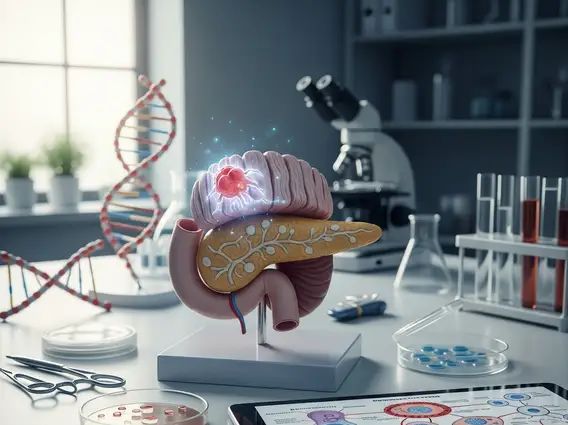
Pancreatic Exocrine Cancer is a serious and often aggressive malignancy that originates in the exocrine cells of the pancreas, which are responsible for producing digestive enzymes. Understanding this complex disease is crucial for early detection and effective management.
Key Takeaways
- Pancreatic Exocrine Cancer is a highly aggressive cancer arising from the enzyme-producing cells of the pancreas.
- Early symptoms are often non-specific, leading to late diagnosis, but can include jaundice, abdominal pain, and unexplained weight loss.
- Risk factors include smoking, obesity, chronic pancreatitis, and a family history of the disease.
- Treatment typically involves a combination of surgery, chemotherapy, and radiation, tailored to the cancer’s stage and the patient’s overall health.
- Prognosis is often challenging, highlighting the importance of ongoing research and multidisciplinary care.
What is Pancreatic Exocrine Cancer?
Pancreatic Exocrine Cancer refers to a malignant tumor that develops from the exocrine cells of the pancreas. These cells are vital for digestion, as they produce enzymes like amylase, lipase, and trypsin, which are released into the small intestine. The vast majority of pancreatic cancers, approximately 95%, are exocrine tumors, with adenocarcinoma being the most common type. This cancer is particularly challenging due to its aggressive nature and tendency to be diagnosed at advanced stages, often because early symptoms are subtle or non-existent. According to the American Cancer Society, pancreatic cancer accounts for about 3% of all cancers in the U.S. but is responsible for about 7% of all cancer deaths, underscoring its high mortality rate.
Symptoms and Causes of Pancreatic Exocrine Cancer
Recognizing pancreatic exocrine cancer symptoms can be difficult, as they often do not appear until the disease has progressed. When symptoms do emerge, they can be vague and easily mistaken for other, less serious conditions. Common symptoms include:
- Jaundice (yellowing of the skin and eyes)
- Abdominal or back pain
- Unexplained weight loss
- Loss of appetite
- Nausea and vomiting
- Changes in bowel habits (e.g., fatty stools)
- New-onset diabetes or worsening of existing diabetes
- Dark urine and light-colored stools
The exact causes of pancreatic exocrine cancer are not fully understood, but several risk factors have been identified that can increase an individual’s likelihood of developing the disease. These risk factors often involve a combination of genetic predispositions and environmental exposures. Key factors include:
Smoking is a significant modifiable risk factor, doubling the risk of pancreatic cancer compared to non-smokers. Other contributing factors include long-standing diabetes, chronic pancreatitis (inflammation of the pancreas), obesity, and a diet high in red and processed meats. Genetic factors also play a role, with a family history of pancreatic cancer or certain inherited genetic syndromes (such as BRCA2 gene mutations, Lynch syndrome, and Peutz-Jeghers syndrome) increasing susceptibility.
Pancreatic Exocrine Cancer Treatment Options
The approach to pancreatic exocrine cancer treatment is highly individualized, depending on the stage of the cancer, its location, the patient’s overall health, and personal preferences. Due to the complexity of the disease, a multidisciplinary team of specialists, including surgeons, oncologists, and radiation oncologists, typically collaborates to develop a comprehensive treatment plan. Treatment modalities often include a combination of the following:
Surgery is the only potentially curative option for pancreatic exocrine cancer, but it is only feasible for a minority of patients whose cancer is localized and has not spread. Procedures like the Whipple procedure (pancreaticoduodenectomy) are complex and involve removing the head of the pancreas, part of the small intestine, gallbladder, and bile duct. For patients who are not candidates for surgery, or as an adjuvant therapy, chemotherapy is a cornerstone of treatment. It uses powerful drugs to kill cancer cells throughout the body, often administered before or after surgery, or as a primary treatment for advanced disease.
Radiation therapy uses high-energy rays to destroy cancer cells and can be used to shrink tumors before surgery, kill remaining cancer cells after surgery, or alleviate symptoms in advanced cases. Targeted therapy and immunotherapy represent newer treatment avenues. Targeted therapies focus on specific abnormalities within cancer cells, while immunotherapies boost the body’s own immune system to fight cancer. Clinical trials also offer access to innovative treatments and are often considered for patients seeking advanced options.



















