
Pancreatic Enzyme
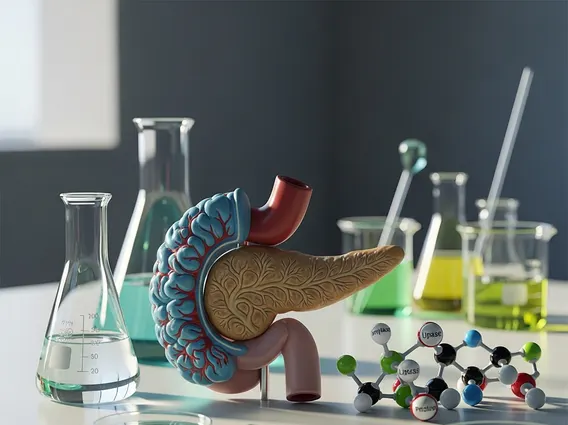
Pancreatic enzymes are vital proteins produced by the pancreas that play a crucial role in the digestion and absorption of nutrients from food. Their proper function is essential for maintaining overall digestive health and preventing malabsorption.
Key Takeaways
- Pancreatic enzymes, including amylase, lipase, and proteases, are essential for breaking down carbohydrates, fats, and proteins.
- A deficiency in these enzymes can lead to malabsorption, causing symptoms like steatorrhea, weight loss, and abdominal discomfort.
- Conditions such as chronic pancreatitis, cystic fibrosis, and pancreatic cancer are common causes of pancreatic enzyme deficiency.
- Pancreatic Enzyme Replacement Therapy (PERT) is the primary treatment, involving taking enzyme supplements with meals.
- Effective management of pancreatic enzyme deficiency improves nutrient absorption and quality of life.
What is Pancreatic Enzyme: Definition and Key Functions
A Pancreatic Enzyme refers to any of the digestive enzymes produced by the pancreas, an organ located behind the stomach. These enzymes are crucial for breaking down food into smaller molecules that can be absorbed by the body. The pancreas produces several types of enzymes, each with a specific role in digestion.
The primary function of pancreatic enzymes is to facilitate the digestion of macronutrients. These include:
- Amylase: Breaks down complex carbohydrates (starches) into simpler sugars.
- Lipase: Digests fats (triglycerides) into fatty acids and glycerol.
- Proteases (e.g., trypsin, chymotrypsin): Break down proteins into smaller peptides and amino acids.
These enzymes are secreted into the small intestine, where they work to ensure that nutrients from food are adequately processed for absorption. Without sufficient pancreatic enzymes, the body struggles to extract essential nutrients, leading to various health issues.
Symptoms of Pancreatic Enzyme Deficiency
When the pancreas does not produce enough digestive enzymes, a condition known as exocrine pancreatic insufficiency (EPI) or pancreatic enzyme deficiency symptoms can arise. This leads to maldigestion and malabsorption, as food is not properly broken down or absorbed. The symptoms can vary in severity but often include:
- Steatorrhea: Fatty, foul-smelling stools that are difficult to flush, due to undigested fat.
- Unexplained Weight Loss: Despite adequate food intake, the body cannot absorb enough calories and nutrients.
- Abdominal Pain and Bloating: Often occurring after meals, as undigested food ferments in the gut.
- Diarrhea or Constipation: Irregular bowel movements are common.
- Nutrient Deficiencies: Particularly fat-soluble vitamins (A, D, E, K), leading to related health problems.
Conditions such as chronic pancreatitis, cystic fibrosis, pancreatic cancer, and certain gastrointestinal surgeries are common causes of pancreatic enzyme deficiency. For instance, cystic fibrosis is a genetic disorder that affects approximately 70,000 people worldwide, with a significant majority experiencing pancreatic insufficiency, according to the Cystic Fibrosis Foundation.
Pancreatic Enzyme Replacement Therapy (PERT)
Pancreatic Enzyme Replacement Therapy (PERT) is the cornerstone treatment for individuals with pancreatic enzyme deficiency. This therapy involves taking prescription enzyme supplements that contain a mixture of lipase, amylase, and proteases. These supplements are designed to mimic the natural enzymes produced by a healthy pancreas.
PERT medications are typically taken orally with meals and snacks. The goal of PERT is to improve digestion and nutrient absorption, thereby alleviating symptoms of malabsorption and preventing nutritional deficiencies. The dosage is individualized based on the severity of the deficiency, the patient’s diet, and their response to treatment. Consistent adherence to PERT is crucial for managing symptoms and improving the patient’s quality of life.



















