
Pancreatectomy
Pancreatectomy is a complex surgical procedure involving the partial or complete removal of the pancreas, an essential organ located behind the stomach. This intervention is typically performed to treat various serious conditions affecting the pancreas.
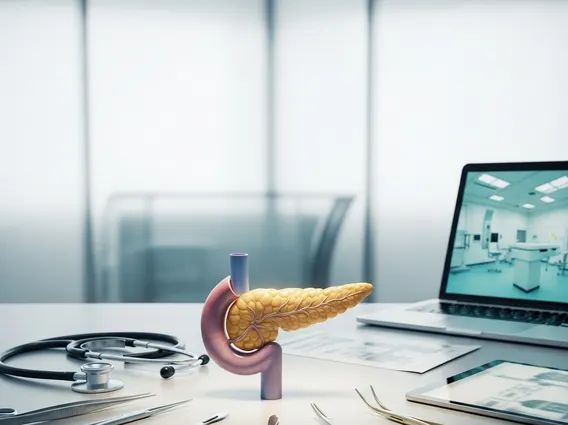
Key Takeaways
- Pancreatectomy is a surgical procedure to remove part or all of the pancreas.
- It is performed for conditions like pancreatic cancer, neuroendocrine tumors, and severe pancreatitis.
- Different types of pancreatectomy exist, including the Whipple procedure and distal pancreatectomy.
- Recovery involves a hospital stay, pain management, and often dietary adjustments with enzyme supplements.
- The long-term outlook depends significantly on the underlying condition and the extent of the surgery.
What is Pancreatectomy?
Pancreatectomy is a major surgical procedure that involves the removal of all or part of the pancreas. The pancreas is a vital gland responsible for producing hormones like insulin and glucagon, which regulate blood sugar, and digestive enzymes crucial for breaking down food. The decision to perform a pancreatectomy is made when a condition affecting the pancreas cannot be effectively managed through less invasive means, often due to the presence of malignant tumors or severe, intractable inflammation. This complex operation aims to remove diseased tissue while preserving as much healthy pancreatic function as possible.
Reasons and Types of Pancreatectomy Procedures
The primary reasons for pancreatectomy surgery include the treatment of pancreatic cancer, neuroendocrine tumors, severe or recurrent pancreatitis, and certain types of pancreatic cysts. Pancreatic cancer is a particularly aggressive disease, and surgical removal offers the best chance for long-term survival for eligible patients. Other indications might include trauma to the pancreas or benign tumors causing significant symptoms that impair pancreatic function or pose a risk of malignancy.
There are several types of pancreatectomy procedures, each tailored to the specific location and nature of the pancreatic condition. The choice of procedure depends on the part of the pancreas affected and the extent of the disease:
- Whipple Procedure (Pancreaticoduodenectomy): This is the most common type, involving the removal of the head of the pancreas, the duodenum (first part of the small intestine), the gallbladder, and part of the bile duct. It is typically performed for tumors located in the head of the pancreas.
- Distal Pancreatectomy: This procedure removes the body and tail of the pancreas, often along with the spleen, and is used for tumors or cysts located in these regions.
- Total Pancreatectomy: In rare cases, the entire pancreas, along with the duodenum, gallbladder, part of the bile duct, and spleen, may be removed. This results in immediate diabetes, requiring lifelong insulin therapy.
- Central Pancreatectomy: This less common procedure removes only the middle section of the pancreas, preserving the head and tail, often for benign or low-grade tumors in the neck or body.
According to the American Cancer Society, surgical resection, including pancreatectomy, offers the only potential for cure for pancreatic cancer, though only about 15% to 20% of pancreatic cancers are found at an early enough stage to be resectable. (Source: American Cancer Society, “Pancreatic Cancer: Surgery”)
Pancreatectomy Surgery Recovery and Outlook
The Pancreatectomy surgery recovery time can be extensive, reflecting the complexity of the operation. Patients typically remain in the hospital for 7 to 14 days following the procedure, though this can vary based on the type of surgery and individual patient factors. During this period, pain management, nutritional support, and monitoring for complications such as pancreatic fistula (leakage of pancreatic fluid) or delayed gastric emptying are critical.
Upon discharge, patients are advised to gradually increase their activity levels and adhere to specific dietary guidelines, which often involve small, frequent meals and enzyme supplements to aid digestion. Full recovery can take several weeks to months. Long-term management may include monitoring for diabetes if a significant portion of the pancreas was removed, requiring insulin therapy, and continued use of pancreatic enzyme replacement therapy. The overall outlook after a pancreatectomy largely depends on the underlying condition for which the surgery was performed. For cancer patients, the prognosis is influenced by the stage of cancer at the time of surgery and whether all cancerous tissue was successfully removed. Regular follow-up appointments with the surgical and oncology teams are essential to monitor recovery and detect any recurrence or new issues.



















