
Pancreas
The pancreas is a vital organ located deep within the abdomen, playing a crucial role in both digestion and blood sugar regulation. Understanding its functions and potential health issues is essential for overall well-being.
Key Takeaways
- The pancreas is an elongated gland situated behind the stomach, essential for digestive and hormonal processes.
- It performs dual functions: producing digestive enzymes (exocrine) and hormones like insulin and glucagon (endocrine).
- Its exocrine function is critical for breaking down food, while its endocrine function regulates blood glucose levels.
- Common conditions affecting the pancreas include pancreatitis, pancreatic cancer, and diabetes.
What is the Pancreas: Location and Structure
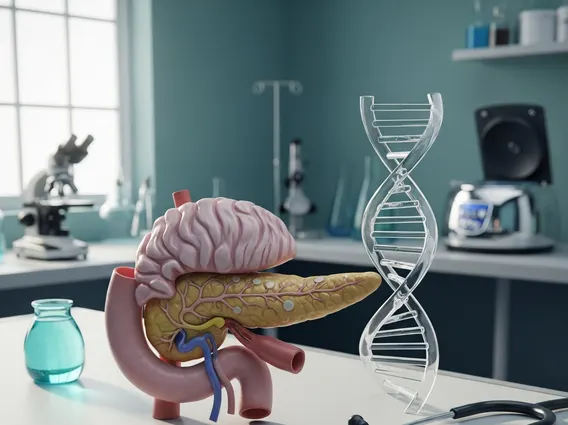
The Pancreas is a glandular organ about six inches long, shaped like a flat pear, located deep in the abdomen, behind the stomach, and nestled in the curve of the duodenum (the first part of the small intestine). Its strategic position allows it to connect directly to the digestive system. The pancreas is divided into three main parts: the head (the widest part, resting in the curve of the duodenum), the body (the middle section), and the tail (the thinnest part, extending towards the spleen). This specific pancreas function and location are critical for its dual roles in the body.
Structurally, the pancreas is composed of two main types of tissue: exocrine and endocrine. The exocrine tissue, which makes up the majority of the pancreas, consists of acinar cells that produce digestive enzymes. These enzymes are secreted into small ducts that eventually merge to form the main pancreatic duct, which then empties into the duodenum. The endocrine tissue, comprising clusters of cells called islets of Langerhans, produces hormones directly into the bloodstream.
Pancreas Function: Role in Digestion and Hormone Production
The pancreas performs two primary functions: an exocrine function related to digestion and an endocrine function related to hormone production. Its exocrine role is vital for breaking down food. The pancreas produces powerful digestive enzymes that are released into the small intestine to help digest carbohydrates, proteins, and fats. These enzymes include amylase (for carbohydrates), lipase (for fats), and proteases like trypsin and chymotrypsin (for proteins). This collective action highlights the significant pancreas role in digestion, ensuring nutrients can be absorbed effectively by the body.
The endocrine function of the pancreas involves the production of hormones that regulate blood sugar levels. The islets of Langerhans contain several types of cells, most notably alpha cells, which produce glucagon, and beta cells, which produce insulin. Insulin lowers blood glucose by helping cells absorb sugar for energy or storage, while glucagon raises blood glucose by signaling the liver to release stored sugar. The precise balance between these hormones is crucial for maintaining stable blood sugar and preventing conditions like diabetes.
Common Pancreas Diseases and Conditions
Several conditions can affect the pancreas, impacting its ability to perform its vital functions. Understanding these common pancreas diseases explained is important for early detection and management. One prevalent condition is pancreatitis, which is inflammation of the pancreas. It can be acute, occurring suddenly and lasting for a few days, or chronic, developing over many years. Acute pancreatitis is often caused by gallstones or excessive alcohol consumption, while chronic pancreatitis is frequently linked to long-term alcohol abuse.
Another serious condition is pancreatic cancer, which is often aggressive and difficult to detect early due to its deep location and vague initial symptoms. According to the American Cancer Society, pancreatic cancer accounts for about 3% of all cancers in the U.S. and about 7% of all cancer deaths. Diabetes mellitus, particularly type 1 and some forms of type 2, is also directly related to pancreatic dysfunction, specifically the impaired production or utilization of insulin by the islets of Langerhans.
Other less common conditions include cystic fibrosis, which can affect the pancreatic ducts, leading to enzyme deficiencies, and pancreatic cysts or pseudocysts. Early diagnosis and appropriate medical intervention are crucial for managing these conditions and improving patient outcomes.



















