Pain Threshold
Pain is a complex, multifaceted experience involving both sensory and emotional components. Understanding how individuals perceive and react to painful stimuli is fundamental in clinical assessment and effective pain management strategies.
Key Takeaways
- Pain Threshold is the minimum intensity at which a stimulus is perceived as painful.
- It differs from pain tolerance, which is the maximum level of pain an individual can endure.
- Measurement often involves controlled stimuli using methods like quantitative sensory testing.
- Numerous factors, including genetics, psychological state, and environmental context, can influence an individual’s pain threshold.
- Grasping these distinctions is vital for personalized and effective pain management approaches.
What is Pain Threshold?
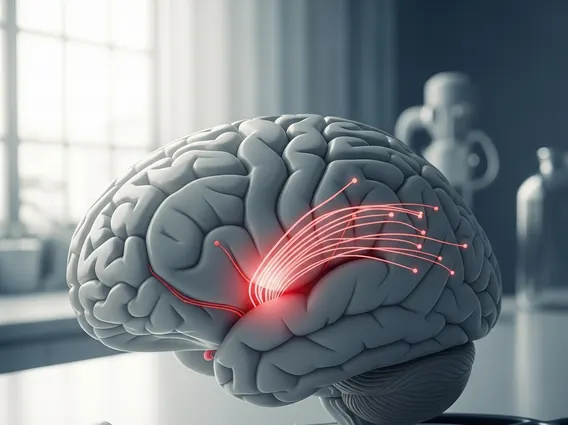
Pain Threshold refers to the lowest intensity of a stimulus that is perceived as pain. It is the point at which a noxious stimulus, such as heat, pressure, or electrical current, first elicits a sensation of discomfort or pain. This threshold is largely a physiological phenomenon, representing the activation of nociceptors (pain receptors) and the transmission of pain signals to the brain. While it is generally considered a relatively stable measure within an individual, it can exhibit some variability due to various internal and external factors.
Unlike subjective pain ratings, the pain threshold aims to identify the objective point at which a stimulus transitions from non-painful to painful. Research indicates that while there’s a general range, individual pain thresholds can vary significantly across the population. For instance, studies have shown that approximately 10-20% of the population may have a lower pain threshold, making them more sensitive to painful stimuli (Source: National Institutes of Health).
Pain Threshold vs. Pain Tolerance
While often used interchangeably in casual conversation, Pain Threshold and Pain Tolerance are distinct concepts in pain science. Understanding the difference is crucial for accurate assessment and treatment.
Pain Threshold, as defined earlier, is the point at which pain is first perceived. It’s the “start” of pain. In contrast, Pain Tolerance is the maximum level of pain an individual is willing or able to endure before requiring intervention or withdrawing from the stimulus. It represents an individual’s capacity to cope with pain and is influenced more heavily by psychological, emotional, and cultural factors than the pain threshold.
For example, two individuals might perceive the onset of pain (their pain threshold) at the same stimulus intensity, but one might be able to tolerate that pain for a much longer duration or at a higher intensity before reaching their pain tolerance limit. This distinction highlights the interplay between the physiological processing of pain and an individual’s psychological and behavioral response to it.
| Feature | Pain Threshold | Pain Tolerance |
|---|---|---|
| Definition | Minimum intensity at which a stimulus is perceived as painful. | Maximum intensity or duration of pain an individual is willing to endure. |
| Nature | Primarily physiological; sensory detection. | Primarily psychological and behavioral; coping capacity. |
| Variability | Relatively stable within an individual, but varies across individuals. | Highly variable between individuals and within an individual over time. |
| Influence | Nociceptor activation, nerve conduction. | Mood, past experiences, culture, expectations, coping strategies. |
Measuring and Understanding Pain Threshold Influences
The measurement of pain threshold is typically performed using methods collectively known as quantitative sensory testing (QST). These techniques involve applying controlled, standardized noxious stimuli to a specific body area and recording the point at which the participant first reports feeling pain. Common methods include:
- Thermal Stimulation: Using devices that apply controlled heat or cold to the skin until pain is reported.
- Pressure Algometry: Applying increasing pressure to a muscle or bone until the sensation becomes painful.
- Electrical Stimulation: Delivering a gradually increasing electrical current to the skin.
These measurements help clinicians and researchers objectively assess an individual’s pain sensitivity.
Several factors influencing pain threshold have been identified, demonstrating its complex nature:
- Genetic Predisposition: Certain genetic variations can affect pain processing pathways, influencing an individual’s sensitivity to pain.
- Biological Sex: Research suggests that women often report lower pain thresholds than men, though the mechanisms are complex and involve hormonal, neurological, and psychological factors.
- Age: Pain thresholds can change with age, often increasing in older adults due to age-related changes in nerve function, although this is not universally consistent.
- Psychological State: Mood, anxiety, depression, and stress can significantly lower pain thresholds, making individuals more sensitive to painful stimuli.
- Previous Pain Experiences: Chronic pain conditions or repeated exposure to pain can sometimes lead to central sensitization, where the nervous system becomes hypersensitive, lowering the pain threshold.
- Cultural and Environmental Factors: Societal norms, cultural beliefs about pain, and the context in which pain occurs can also subtly influence an individual’s perception of their pain threshold.
Understanding these influences is vital for developing personalized pain management strategies, as it allows for a holistic approach that considers both the physiological and psychosocial dimensions of pain.