Pad Regimen
A Pad Regimen refers to a structured and mindful approach to managing menstrual hygiene using sanitary pads. This regimen is crucial for maintaining personal comfort, preventing leaks, and safeguarding intimate health throughout the menstrual cycle.
Key Takeaways
- A Pad Regimen is a systematic approach to menstrual hygiene, focusing on proper pad selection, application, and timely changes.
- Correct use of sanitary pads involves proper placement and adherence to prevent leaks and maintain hygiene.
- The recommended menstrual pad changing schedule is typically every 4 to 8 hours, or more frequently depending on flow.
- Understanding the types of menstrual pads and their use ensures optimal protection for varying flow levels and activities.
- Adhering to a consistent pad regimen is vital for comfort, health, and confidence during menstruation.
What is a Pad Regimen?
A Pad Regimen is a comprehensive strategy for managing menstrual hygiene using sanitary pads. This regimen encompasses the informed selection of appropriate pad types, correct application techniques, and adherence to a regular changing schedule. The primary goal of an effective pad regimen is to optimize comfort, prevent leaks, and maintain genital health by minimizing the risk of bacterial growth, odor, and skin irritation. It is a personalized approach that considers an individual’s menstrual flow, lifestyle, and preferences to ensure effective and hygienic period management.
Understanding what is a pad regimen involves recognizing it as more than just wearing a pad; it’s about a proactive and hygienic practice. This includes being aware of one’s body and flow patterns to make informed decisions about pad absorbency and frequency of changes. Implementing a consistent regimen helps individuals navigate their menstrual cycle with greater confidence and well-being.
Correct Use and Changing Schedule for Sanitary Pads
Adhering to guidelines on how to use sanitary pads correctly is fundamental for effective menstrual hygiene and comfort. Proper application ensures the pad stays in place and provides optimal protection. Always begin by washing your hands thoroughly. Remove the adhesive backing from the pad and center it securely in your underwear. If the pad has wings, wrap them around the underside of your underwear for extra security against side leaks. After use, wrap the soiled pad in its wrapper or toilet paper and dispose of it in a waste bin; never flush pads down the toilet.
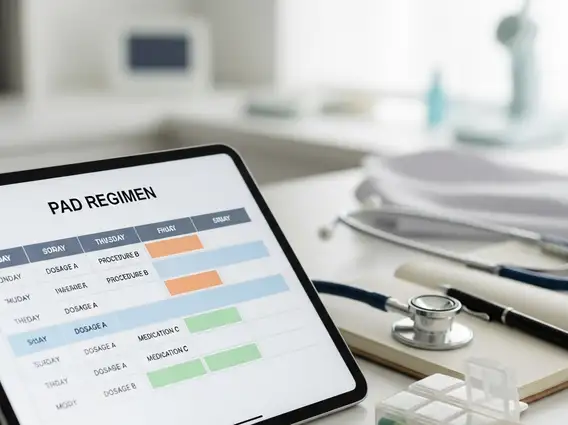
The menstrual pad changing schedule is a critical component of any effective pad regimen. While individual flow varies, it is generally recommended to change sanitary pads every 4 to 8 hours, even on lighter flow days. For heavier flow, more frequent changes may be necessary to prevent leaks and maintain hygiene. Regular changes are vital because prolonged use of a single pad can lead to:
- Increased risk of bacterial growth and potential infections.
- Unpleasant odor development.
- Skin irritation, rashes, or chafing due to moisture and friction.
- Reduced absorbency, leading to potential leaks.
Maintaining a consistent changing schedule, combined with proper pad usage, significantly contributes to overall intimate health and comfort during menstruation.
Exploring Types of Menstrual Pads and Their Purpose
Understanding the types of menstrual pads and their use is essential for tailoring a pad regimen to individual needs. Sanitary pads come in various designs, each suited for different flow levels and situations, ensuring maximum protection and comfort.
The main types include:
- Panty Liners: These are thin and small, designed for very light flow, daily discharge, or as backup for tampons or menstrual cups. They offer minimal absorbency.
- Regular/Day Pads: These are the most common type, suitable for moderate flow during the day. They come in various lengths and absorbencies to suit different body types and flow levels.
- Heavy/Super Pads: Designed for heavier flow days, these pads offer increased absorbency and often greater length to provide more coverage and prevent leaks.
- Overnight Pads: Characterized by their extra length and wider back, overnight pads are specifically designed to provide maximum protection while lying down, preventing leaks during sleep.
- Pads with Wings: Many pads, across all absorbency levels, come with “wings” – adhesive flaps that fold around the sides of underwear. These provide additional security, helping to keep the pad in place and offering extra protection against side leaks.
Choosing the correct pad type for your flow and activity level is a key aspect of an effective pad regimen, ensuring you stay comfortable, dry, and confident throughout your menstrual cycle.