
P53 Gene
The P53 gene is a critical component of human genetics, often referred to as the “guardian of the genome.” Its profound influence on cellular processes makes it a central focus in understanding disease, particularly cancer.
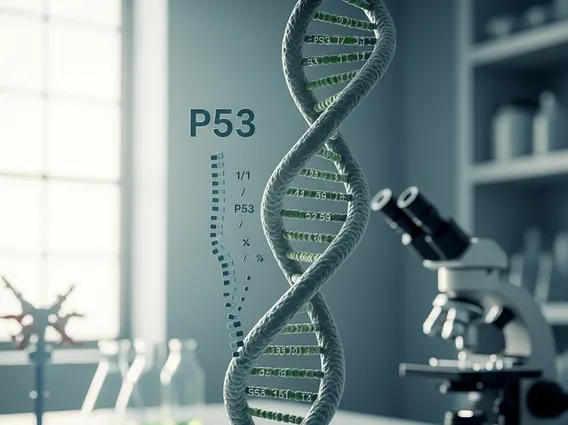
Key Takeaways
- The P53 gene is a tumor suppressor gene vital for maintaining genomic stability.
- It regulates cell division, DNA repair, and programmed cell death (apoptosis).
- Mutations in P53 are frequently found in human cancers, leading to uncontrolled cell proliferation.
- Dysfunctional P53 allows damaged cells to survive and multiply, contributing to tumor development.
What is the P53 Gene?
The P53 gene (also known as TP53) is a tumor suppressor gene located on chromosome 17 in humans. It encodes a protein, also called p53, which plays a pivotal role in preventing the formation and progression of tumors. Often dubbed the “guardian of the genome,” p53 is activated in response to various cellular stresses, such as DNA damage, oncogene activation, or hypoxia. Its primary function is to protect the cell from becoming cancerous by initiating appropriate cellular responses.
When a cell experiences stress or damage, the p53 protein levels increase, leading to a cascade of events designed to maintain genomic integrity. This includes halting the cell cycle to allow for DNA repair, or, if the damage is too severe, triggering programmed cell death. This precise control mechanism ensures that only healthy cells are allowed to divide, thereby preventing the propagation of potentially harmful mutations.
Function of the P53 Gene
The P53 gene function is multifaceted, primarily centered on its role as a master regulator of cell growth and division. The p53 protein acts as a transcription factor, meaning it binds to specific DNA sequences to activate or repress the expression of other genes. These target genes are involved in several crucial cellular processes:
- Cell Cycle Arrest: P53 can halt the cell cycle at specific checkpoints (G1/S and G2/M) to provide time for DNA repair, for example, by upregulating genes like p21, which inhibits cyclin-dependent kinases (CDKs) essential for cell cycle progression.
- DNA Repair: It promotes the expression of genes involved in DNA repair pathways, helping to fix damaged DNA before replication.
- Apoptosis (Programmed Cell Death): If DNA damage is irreparable, p53 can trigger apoptosis, eliminating potentially dangerous cells from the body and preventing the damaged cells from proliferating and passing on mutations.
- Senescence: P53 can induce cellular senescence, a state of irreversible growth arrest, further preventing the proliferation of damaged cells.
These functions collectively underscore p53’s critical role in maintaining cellular homeostasis and preventing malignant transformation.
P53 Gene Mutations and Cancer
Mutations in the P53 gene are among the most common genetic alterations observed in human cancers, highlighting the profound P53 gene mutation effects. It is estimated that over 50% of all human cancers involve a mutation in the TP53 gene, making it the most frequently mutated gene in cancer (Source: National Cancer Institute). When P53 is mutated, its ability to perform its tumor-suppressing functions is severely compromised or completely lost.
The role of P53 in cancer is therefore paramount. A dysfunctional p53 protein can no longer effectively halt the cell cycle, repair DNA, or induce apoptosis in response to damage. This allows cells with damaged DNA to continue dividing unchecked, accumulating further mutations and leading to uncontrolled cell proliferation, which is a hallmark of cancer. These mutated p53 proteins can sometimes even gain new functions that actively promote tumor growth and metastasis, a phenomenon known as “gain-of-function” mutations. The loss of functional p53 is a critical step in the development and progression of many tumor types, including breast, colon, lung, and ovarian cancers, underscoring its central importance in oncology.



















