Oxygen Therapy
Oxygen Therapy is a medical treatment that provides supplemental oxygen to individuals who cannot get enough oxygen on their own. It is a vital intervention for various respiratory and circulatory conditions, helping to improve overall health and quality of life.
Key Takeaways
- Oxygen Therapy delivers supplemental oxygen to patients with insufficient blood oxygen levels.
- It works by increasing the oxygen concentration in the air breathed, supporting vital organ function.
- Common types include oxygen concentrators, compressed oxygen tanks, and liquid oxygen systems.
- Benefits include reduced breathlessness, improved exercise tolerance, and enhanced sleep quality.
- This therapy is prescribed for chronic respiratory diseases and acute conditions to improve patient outcomes.
What is Oxygen Therapy?
Oxygen Therapy is a medical treatment that delivers supplemental oxygen to individuals whose blood oxygen levels are too low. This condition, known as hypoxemia, can result from various underlying health issues affecting the lungs, heart, or blood. The goal of Oxygen Therapy is to ensure that the body’s tissues and organs receive an adequate supply of oxygen, which is essential for proper cellular function and overall health. It is a prescribed treatment, meaning a healthcare professional must evaluate a patient’s condition and determine the appropriate oxygen flow rate and duration. According to the World Health Organization (WHO), access to medical oxygen is critical for managing severe respiratory illnesses, particularly in low-resource settings, where it can significantly reduce mortality.
How Oxygen Therapy Works and Its Types
Oxygen Therapy works by increasing the concentration of oxygen in the air a patient breathes, thereby raising the oxygen levels in their blood. When a person inhales, oxygen enters the lungs and is transferred to the bloodstream, where it is carried by red blood cells to all parts of the body. For individuals with compromised lung function or other conditions that impair this process, supplemental oxygen helps to overcome the deficit.
There are several common types of Oxygen Therapy systems, each designed to meet different patient needs and lifestyles:
- Oxygen Concentrators: These devices filter nitrogen from ambient air to deliver concentrated oxygen. They are popular for home use as they do not require refilling and can be stationary or portable.
- Compressed Oxygen Tanks: These tanks store oxygen as a compressed gas. They come in various sizes, offering portability for short outings or larger capacities for home use, but require regular refilling.
- Liquid Oxygen Systems: Oxygen is stored as a super-cooled liquid, which is highly concentrated. These systems offer a larger volume of oxygen in a smaller container, making them suitable for active individuals, but they slowly evaporate and require refilling.
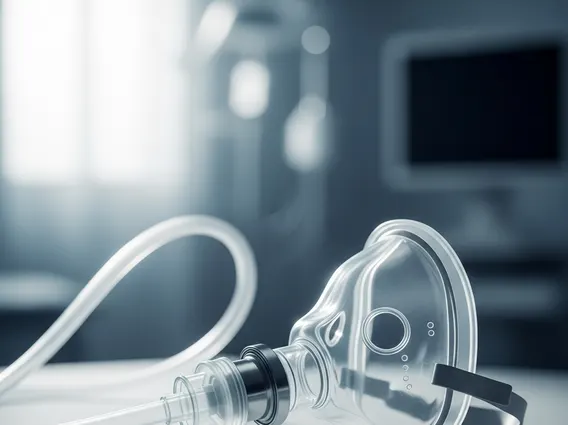
The method of delivery can also vary, including nasal cannulas (small tubes placed in the nostrils), oxygen masks, or transtracheal catheters (a small tube inserted directly into the windpipe). The choice of system and delivery method depends on the patient’s specific oxygen requirements, mobility, and lifestyle.
Benefits of Oxygen Therapy
The benefits of Oxygen Therapy are significant for individuals suffering from conditions that cause chronic or acute hypoxemia. By maintaining adequate blood oxygen levels, this therapy can dramatically improve a patient’s quality of life and reduce the strain on vital organs. One primary benefit is the reduction of breathlessness (dyspnea), allowing patients to perform daily activities with greater ease and comfort. It also helps to improve sleep quality, as low oxygen levels during sleep can exacerbate respiratory issues.
Furthermore, Oxygen Therapy can enhance exercise tolerance, enabling individuals to engage in more physical activity, which in turn can strengthen respiratory muscles and improve overall cardiovascular health. For patients with chronic obstructive pulmonary disease (COPD), long-term Oxygen Therapy has been shown to increase survival rates. A study published by the American Thoracic Society indicates that continuous oxygen supplementation for at least 15 hours a day can significantly improve prognosis for patients with severe resting hypoxemia due to COPD. By reducing the workload on the heart and lungs, Oxygen Therapy helps prevent complications such as pulmonary hypertension and right-sided heart failure, ultimately contributing to a more stable and healthier life.