Oxygen
Oxygen is a fundamental chemical element vital for sustaining life and numerous industrial processes. In a medical context, it refers to the essential gas required for human physiological functions, particularly cellular respiration.
Key Takeaways
- Oxygen (O) is a colorless, odorless, and tasteless gas, highly reactive and essential for life.
- It constitutes approximately 21% of Earth’s atmosphere and is found abundantly in water, minerals, and organic compounds.
- Medically, it is crucial for cellular respiration, enabling the body to produce energy (ATP).
- Its uses span medical therapy, industrial applications like welding, and supporting combustion.
- Maintaining adequate oxygen levels is critical for human health, with deprivation leading to severe physiological consequences.
What is Oxygen: Properties and Characteristics
Oxygen (O) is the chemical element with atomic number 8, a nonmetal and a member of the chalcogen group on the periodic table. In its most common form, it exists as a diatomic gas (O2), which is colorless, odorless, and tasteless under standard conditions. These properties and characteristics of oxygen make it a unique and indispensable element. It is highly reactive, readily forming oxides with most other elements and compounds, a process commonly known as oxidation. This reactivity is fundamental to its role in combustion and biological respiration.
As a gas, oxygen is slightly denser than air and poorly soluble in water, though this solubility is crucial for aquatic life. Its ability to support combustion is well-known, as it acts as an oxidizer, allowing fuels to burn. In a medical and biological sense, oxygen’s primary characteristic is its role as the final electron acceptor in the electron transport chain, a process central to aerobic respiration in living organisms.
Natural Occurrence and Essential Uses of Oxygen
Where is oxygen found in nature is a question with a broad answer, as it is the third most abundant element in the universe by mass and the most abundant element in Earth’s crust. Approximately 21% of Earth’s atmosphere is composed of gaseous oxygen (O2), primarily produced through photosynthesis by plants and phytoplankton. It is also a major component of water (H2O), making up about 89% of its mass, and is found in countless minerals and organic compounds throughout the planet.
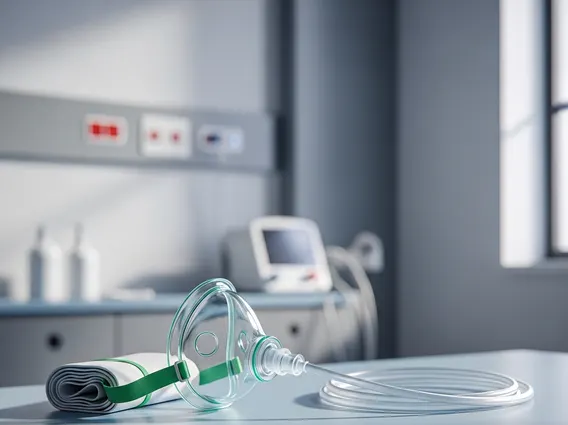
The ubiquity of oxygen underscores the diverse applications related to its presence. Medically, supplemental oxygen therapy is a common treatment for various respiratory conditions, such as chronic obstructive pulmonary disease (COPD), pneumonia, and sleep apnea, helping patients maintain adequate blood oxygen levels. Industrially, the uses of oxygen are extensive:
- Steel Production: Used to remove impurities like carbon, sulfur, and phosphorus from molten iron.
- Welding and Cutting: Combined with other gases (e.g., acetylene) to produce high-temperature flames.
- Water Treatment: Employed in aeration processes to oxidize contaminants and improve water quality.
- Chemical Synthesis: A reactant in the production of various chemicals, including nitric acid and ethylene oxide.
- Aerospace and Diving: Essential for life support systems in spacecraft and underwater breathing apparatus.
The Critical Importance of Oxygen for Human Life
The critical role of oxygen in human life reveals its central importance in virtually every physiological process. Oxygen is the cornerstone of aerobic cellular respiration, the metabolic pathway that generates adenosine triphosphate (ATP), the primary energy currency of the cell. Without sufficient oxygen, cells cannot efficiently produce ATP, leading to cellular dysfunction and ultimately, organ failure. The brain, in particular, is highly sensitive to oxygen deprivation; even a few minutes without oxygen can cause irreversible damage.
Oxygen is transported throughout the body by hemoglobin in red blood cells, delivering it to tissues and organs. This continuous supply is vital for maintaining normal bodily functions, from muscle contraction and nerve impulses to immune responses and tissue repair. Conditions that impair oxygen delivery or utilization, such as anemia, heart failure, or respiratory diseases, can have profound and life-threatening consequences. For instance, according to the World Health Organization (WHO), respiratory infections remain a leading cause of death globally, often necessitating oxygen support to prevent severe outcomes. Adequate oxygenation is not merely about survival; it is fundamental to maintaining health, vitality, and the proper functioning of all biological systems.