
Ovulation
Ovulation is a crucial phase of the menstrual cycle, essential for natural conception. It involves the release of a mature egg from the ovary, making it available for fertilization.
Key Takeaways
- Ovulation is the release of a mature egg from an ovary, typically occurring once per menstrual cycle.
- This process is regulated by a complex interplay of hormones, primarily follicle-stimulating hormone (FSH) and luteinizing hormone (LH).
- Recognizing the signs of ovulation, such as changes in cervical mucus and basal body temperature, can help individuals identify their fertile window.
- Understanding the ovulation cycle is vital for family planning, whether aiming for or avoiding pregnancy.
What is Ovulation and How it Works
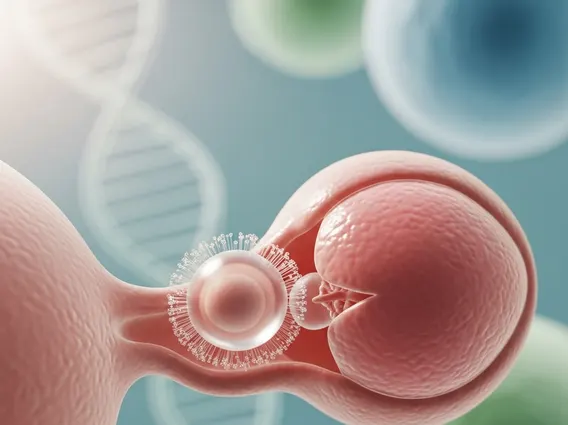
Ovulation is the process where a mature egg (ovum) is released from the ovary, typically occurring once during each menstrual cycle. This event is central to female fertility, as the released egg is then available to be fertilized by sperm. The entire process is a finely tuned hormonal cascade, part of a broader system known as the menstrual cycle.
The journey begins in the follicular phase, where several follicles, each containing an immature egg, start to develop under the influence of follicle-stimulating hormone (FSH). One follicle usually becomes dominant, growing larger and producing estrogen. As estrogen levels rise, they signal the pituitary gland to release a surge of luteinizing hormone (LH). This LH surge is the trigger for the dominant follicle to rupture, releasing the mature egg. This release marks the actual moment of ovulation. After its release, the egg travels into the fallopian tube, where it remains viable for fertilization for about 12 to 24 hours. The remaining part of the ruptured follicle transforms into the corpus luteum, which produces progesterone to prepare the uterus for a potential pregnancy. This detailed mechanism helps in understanding the ovulation cycle and its significance in reproduction.
Recognizing Signs of Ovulation
Identifying the signs and symptoms of ovulation can be highly beneficial for individuals monitoring their fertility. These indicators can help pinpoint the fertile window, which is the period when conception is most likely. While not all signs are present in every individual, a combination of methods can increase accuracy in determining when you are ovulating.
Common signs and symptoms that indicate ovulation is approaching or has occurred include:
- Changes in Basal Body Temperature (BBT): A slight but sustained rise in BBT (typically 0.5 to 1 degree Fahrenheit) occurs shortly after ovulation, due to the increase in progesterone. Tracking BBT daily can reveal this pattern over time.
- Cervical Mucus Changes: As ovulation approaches, cervical mucus often becomes clear, stretchy, and slippery, resembling raw egg whites. This “fertile quality” mucus facilitates sperm movement and survival.
- Ovulation Pain (Mittelschmerz): Some individuals experience a mild to sharp pain or cramping on one side of the lower abdomen, which can last from a few minutes to a few hours, indicating the side from which the egg is being released.
- Increased Libido: A noticeable increase in sex drive is often reported around the time of ovulation.
- Changes in Cervical Position and Firmness: The cervix may become softer, higher, and more open during the fertile window.
Utilizing these signs can help individuals effectively how to know when you are ovulating, providing valuable information for family planning. Ovulation predictor kits (OPKs) are also available, which detect the LH surge in urine, offering a more direct method to predict ovulation.



















