Ovarian Tissue Freezing
Ovarian Tissue Freezing is an advanced fertility preservation technique offering hope to individuals facing treatments that may compromise their reproductive health. This procedure involves the cryopreservation of ovarian tissue, aiming to restore fertility later in life.
Key Takeaways
- Ovarian Tissue Freezing is a method of fertility preservation involving the surgical removal and cryopreservation of ovarian tissue.
- The procedure typically involves a minor laparoscopic removal of a small piece of the ovarian cortex, which is then frozen using specialized techniques.
- Once thawed, the tissue can be transplanted back into the patient, potentially restoring hormone function and enabling natural conception.
- It offers significant benefits, especially for young patients and those needing urgent cancer treatment, by preserving future fertility.
- Success rates vary, but it represents a vital option for many seeking to preserve their reproductive potential.
What is Ovarian Tissue Freezing?
Ovarian Tissue Freezing refers to a medical procedure designed to preserve a woman’s fertility by cryopreserving ovarian tissue. This technique is particularly valuable for individuals who face medical treatments, such as chemotherapy or radiation, that can damage the ovaries and lead to premature ovarian insufficiency or infertility. The process involves surgically removing a small piece of the ovarian cortex, which contains numerous immature eggs (primordial follicles), and then freezing it for future use. This method offers a unique opportunity for fertility restoration, especially for prepubertal girls or women who cannot undergo other fertility preservation methods like egg or embryo freezing due to time constraints or medical conditions.
How Ovarian Tissue Freezing Works
The process of Ovarian Tissue Freezing involves several distinct steps, beginning with a minor surgical procedure. Typically, a small portion of the outer layer of the ovary, known as the ovarian cortex, is removed through a laparoscopic procedure. This cortex is rich in primordial follicles, which are essentially immature eggs. Once removed, the tissue is transported to a specialized laboratory where it is carefully prepared for cryopreservation. The freezing process itself can involve either slow freezing or vitrification, techniques designed to prevent ice crystal formation that could damage cells. After freezing, the tissue is stored indefinitely in liquid nitrogen. When the patient is ready, the frozen ovarian tissue is thawed and transplanted back, often in the pelvic area. The transplanted tissue can then revascularize, resume hormone production, and potentially mature follicles, leading to the possibility of natural conception.
- Surgical Removal: A small section of ovarian cortex is extracted via a minimally invasive laparoscopic procedure.
- Cryopreservation: The tissue is processed and frozen using advanced slow-freezing or vitrification techniques to protect cell viability.
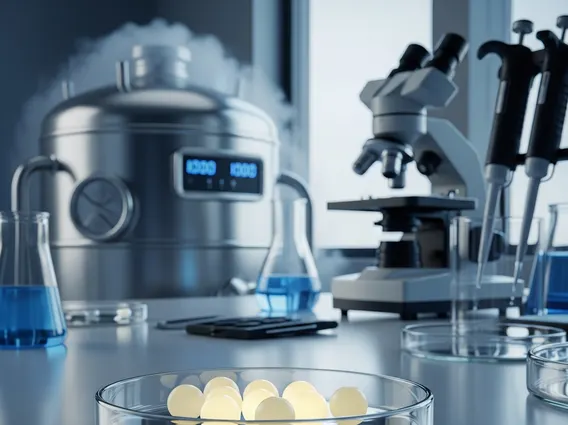
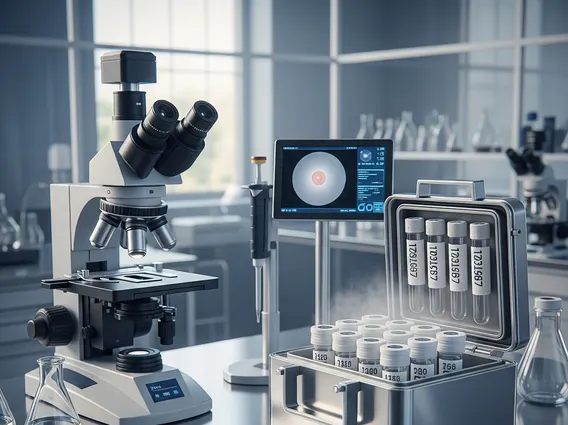
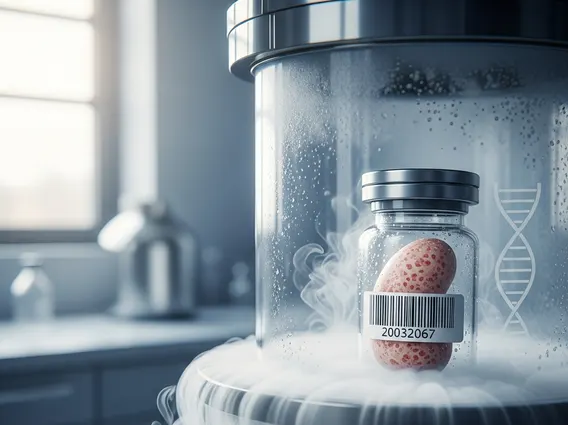
- Storage: Frozen tissue is securely stored in liquid nitrogen at ultra-low temperatures for long-term preservation.
- Reimplantation: When desired, the tissue is thawed and surgically transplanted back into the patient, aiming to restore ovarian function.
Benefits and Fertility Applications of Ovarian Tissue Freezing
The benefits of ovarian tissue freezing are substantial, particularly for specific patient populations. One of the primary advantages is its applicability to prepubertal girls and young women who have not yet started menstruation, as it does not require ovarian stimulation or mature eggs. It also offers a rapid fertility preservation option for patients who need to start urgent cancer treatment without delay. Furthermore, it has the potential to restore natural fertility, allowing for spontaneous pregnancies, and can also restore endocrine function, alleviating symptoms of premature menopause.
Ovarian tissue freezing for fertility applications extend beyond cancer patients to include individuals facing other medical conditions that threaten ovarian reserve, such as certain autoimmune diseases or genetic disorders. While success rates vary depending on factors like age at freezing and tissue preserved, medical literature and leading fertility organizations report hundreds of live births worldwide following ovarian tissue transplantation. This demonstrates its efficacy as a viable fertility restoration method, providing a critical pathway for many to achieve parenthood after health challenges.