Ovarian Tissue Cryopreservation
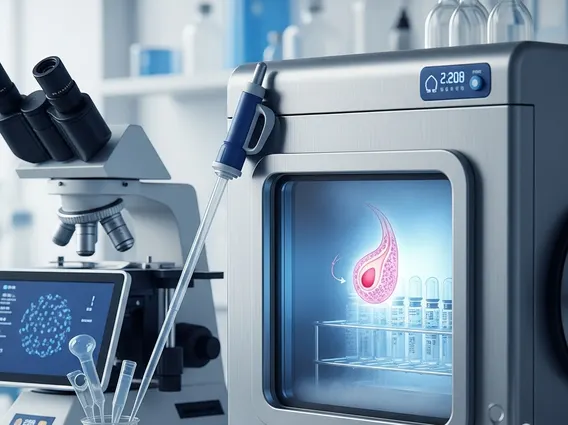
Ovarian tissue cryopreservation is a fertility preservation technique that offers hope to individuals facing treatments or conditions that may compromise their reproductive health. This advanced medical procedure involves freezing ovarian tissue for future use, providing a pathway to potential fertility restoration.
Key Takeaways
- Ovarian tissue cryopreservation is a fertility preservation method involving the freezing of ovarian tissue.
- It is primarily offered to individuals at risk of losing ovarian function due to medical treatments like chemotherapy or radiation.
- The process involves surgical removal of ovarian tissue, followed by controlled freezing and storage.
- Benefits include the potential for natural conception and hormone production after re-implantation.
- Success rates vary but have shown promising results, particularly in younger patients.
What is Ovarian Tissue Cryopreservation and How Does It Work?
Ovarian Tissue Cryopreservation refers to a medical procedure designed to preserve fertility by freezing a portion of ovarian tissue. This technique is particularly vital for individuals, often young women or girls, who are about to undergo cancer treatments (such as chemotherapy or radiation) or other medical interventions that carry a high risk of damaging their ovaries and causing premature ovarian insufficiency or infertility. Unlike egg freezing, which requires ovarian stimulation and mature eggs, this method can be performed quickly, making it suitable for patients who cannot delay treatment.
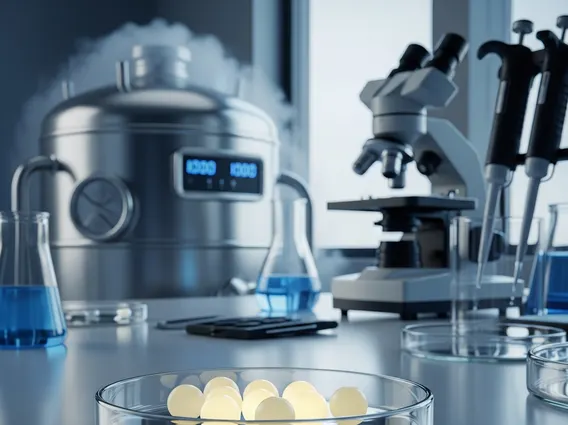
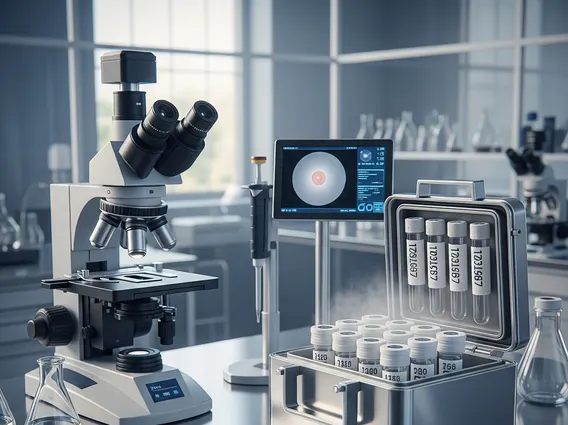
The ovarian tissue freezing process explained involves several key steps. Initially, a small piece of ovarian cortex, which contains thousands of immature eggs (primordial follicles), is surgically removed, typically through a minimally invasive laparoscopic procedure. This tissue is then transported to a specialized laboratory where it undergoes a controlled freezing process. Cryoprotective agents are used to protect the cells from damage during freezing and thawing. Once frozen, the tissue is stored in liquid nitrogen at extremely low temperatures, where it can remain viable for many years. When the individual is ready to attempt conception, the tissue can be thawed and re-implanted, usually onto the remaining ovary or another suitable site, with the aim of restoring ovarian function and fertility.
- Tissue Retrieval: A small section of ovarian cortex is surgically removed.
- Preparation: The tissue is cut into small fragments and treated with cryoprotectants.
- Freezing: Fragments are slowly frozen to prevent ice crystal formation, then stored in liquid nitrogen.
- Thawing and Re-implantation: When needed, the tissue is thawed and surgically re-implanted, often near the fallopian tube.
Benefits and Success Rates of Ovarian Tissue Cryopreservation
The benefits of ovarian tissue cryopreservation are significant, especially for those facing immediate threats to their fertility. One major advantage is that it can be performed without ovarian stimulation, making it suitable for prepubertal girls or those who cannot delay cancer treatment. Upon successful re-implantation, the tissue can not only restore fertility, potentially allowing for natural conception, but also resume hormone production. This restoration of endocrine function can alleviate symptoms of premature menopause, such as hot flashes, bone density loss, and cardiovascular issues, significantly improving the patient’s quality of life. It also offers the potential for multiple pregnancies from a single tissue sample, as the re-implanted tissue can continue to function for several years.
Regarding ovarian tissue cryopreservation success rates, outcomes have been increasingly positive, though they can vary based on factors such as the patient’s age at the time of freezing, the quality of the tissue, and the re-implantation site. According to data compiled from various international registries, over 200 live births have been reported worldwide following ovarian tissue cryopreservation and transplantation, with success rates for live birth per re-implantation ranging from 20% to 40% in some studies (Source: Human Reproduction Update, 2020). Younger patients tend to have higher success rates because their ovarian tissue contains a greater number of healthy primordial follicles. Continued research and advancements in cryopreservation techniques are further improving these rates, making it a more reliable option for fertility preservation.