Ovarian Failure
Ovarian Failure is a significant medical condition affecting reproductive health and overall well-being in women. This article explores its nature, common symptoms, underlying causes, and the available treatment options to manage the condition effectively.
Key Takeaways
- Ovarian Failure is characterized by the loss of normal ovarian function before the age of 40, leading to reduced estrogen production.
- Common symptoms include irregular or absent periods, hot flashes, vaginal dryness, and infertility.
- Causes can range from genetic factors and autoimmune diseases to medical treatments like chemotherapy.
- Treatment primarily involves hormone replacement therapy (HRT) to manage symptoms and address long-term health risks.
- For those desiring pregnancy, assisted reproductive technologies such as donor egg IVF are often considered.
What is Ovarian Failure?
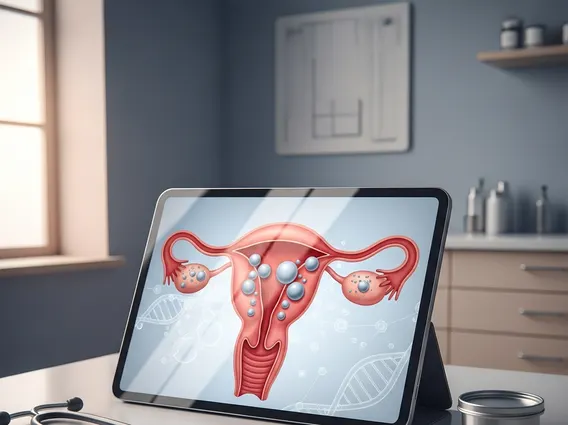
Ovarian Failure refers to a condition where a woman’s ovaries stop functioning normally before the age of 40. This premature cessation of ovarian activity results in a significant decrease in estrogen production and the irregular or complete absence of menstrual periods. It is distinct from natural menopause, which typically occurs around the age of 50, and is sometimes referred to as premature ovarian insufficiency (POI).
This condition affects approximately 1% of women under the age of 40, according to the American College of Obstetricians and Gynecologists (ACOG). The impact extends beyond reproductive health, as reduced estrogen levels can lead to various other health concerns, including bone density loss and cardiovascular issues, if not properly managed.
Recognizing Ovarian Failure: Symptoms and Causes
Recognizing ovarian failure symptoms is crucial for early diagnosis and intervention. These symptoms often mimic those of natural menopause due to the underlying reduction in estrogen levels. Women may experience a range of physical and emotional changes that can significantly impact their quality of life.
Common symptoms associated with ovarian failure include:
- Irregular or absent menstrual periods (amenorrhea)
- Hot flashes and night sweats
- Vaginal dryness, leading to discomfort during intercourse
- Difficulty conceiving or infertility
- Decreased libido
- Mood changes, such as irritability, anxiety, or depression
- Sleep disturbances and fatigue
- Reduced bone density, increasing the risk of osteoporosis over time
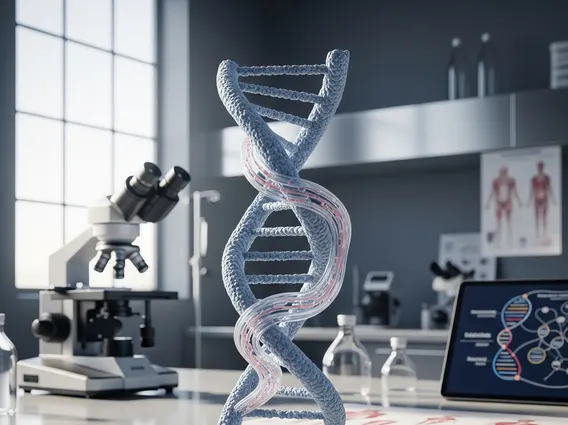
The causes of ovarian failure are diverse and can be attributed to several factors, though in many cases, the exact cause remains unknown (idiopathic). Genetic predispositions play a significant role, with conditions like Fragile X syndrome being a notable example. Autoimmune diseases, where the body’s immune system mistakenly attacks ovarian tissue, are another common cause and can include conditions such as thyroid disease or Addison’s disease.
Medical treatments, particularly chemotherapy and radiation therapy for cancer, can also damage ovarian function and lead to ovarian failure. Surgical removal of the ovaries (oophorectomy) is a direct cause. Less common causes include certain viral infections, environmental toxins, and metabolic disorders. Understanding these potential causes helps in both diagnosis and counseling for affected individuals.
Managing Ovarian Failure: Treatment Options
Managing ovarian failure treatment options primarily focuses on alleviating the symptoms caused by estrogen deficiency and addressing fertility concerns. The main goal of treatment is to replace the hormones that the ovaries are no longer producing, thereby improving quality of life and preventing long-term health complications.
Hormone replacement therapy (HRT) is a cornerstone of treatment. HRT typically involves taking estrogen, often combined with progesterone, to mimic the natural hormonal cycle. This therapy effectively reduces symptoms such as hot flashes, night sweats, and vaginal dryness, and is vital for maintaining bone density, thus preventing osteoporosis. For women who still wish to conceive, HRT does not restore ovarian function or fertility. In such cases, assisted reproductive technologies, particularly in vitro fertilization (IVF) using donor eggs, are often the most viable option, as the woman’s own eggs are generally no longer viable.
Beyond hormonal management, comprehensive care for ovarian failure includes psychological support and counseling. Coping with the diagnosis, especially for younger women, can be emotionally challenging, impacting self-esteem and future planning. Lifestyle adjustments, such as a balanced diet rich in calcium and vitamin D, regular exercise, and avoiding smoking, are also recommended to support overall health and bone strength. While supportive therapies may complement medical treatment, they do not replace the need for professional medical guidance and prescribed interventions.