Ovarian Ablation
Ovarian Ablation is a medical procedure designed to suppress the function of the ovaries, primarily to reduce the production of hormones like estrogen. This intervention is often considered in the management of hormone-sensitive conditions, particularly certain types of cancer.
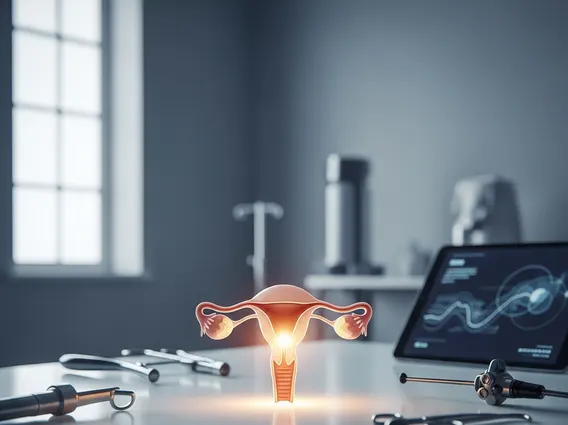
Key Takeaways
- Ovarian Ablation is a medical procedure that stops the ovaries from producing hormones.
- It is primarily used to treat hormone-sensitive conditions, such as certain types of breast cancer.
- The procedure can be performed surgically, medically (with drugs), or through radiation.
- Benefits include slowing disease progression and improving treatment outcomes.
- Potential risks involve menopausal symptoms and long-term health concerns like bone density loss.
What is Ovarian Ablation?
Ovarian Ablation refers to a medical intervention aimed at permanently or temporarily stopping the ovaries from producing hormones, primarily estrogen. This procedure is a crucial component in the treatment strategies for certain hormone-receptor-positive cancers, such as breast cancer, where estrogen can fuel tumor growth. By reducing estrogen levels, ovarian ablation helps to inhibit the proliferation of cancer cells and can improve patient outcomes. It may also be used in other conditions where ovarian hormone suppression is beneficial, such as severe endometriosis or uterine fibroids, though its primary application is often in oncology.
Understanding the Ovarian Ablation Procedure
The ovarian ablation procedure can be achieved through several distinct methods, each with its own approach and implications. The choice of method depends on the patient’s overall health, the specific medical condition being treated, and the desired duration of ovarian suppression. Patients undergoing any form of ovarian ablation will typically undergo thorough pre-procedure evaluations, including hormone level assessments and imaging, to determine the most appropriate course of action.
The primary methods include:
- Surgical Ablation (Oophorectomy): This involves the surgical removal of one or both ovaries. It offers immediate and permanent cessation of ovarian function and is often performed laparoscopically.
- Medical Ablation: This method uses medications, such as gonadotropin-releasing hormone (GnRH) agonists, to temporarily suppress ovarian hormone production. These drugs induce a reversible, menopause-like state, and their effects cease once the medication is stopped.
- Radiation Ablation: Less commonly, radiation therapy can be directed at the ovaries to destroy hormone-producing cells, leading to permanent ovarian suppression. This method is typically used when surgery or medical options are not suitable.
Post-procedure care focuses on managing side effects and monitoring the patient’s response to treatment, which may include regular follow-up appointments and hormone level checks.
Ovarian Ablation: Benefits and Potential Risks
The decision to undergo Ovarian Ablation involves weighing its significant therapeutic benefits against potential adverse effects. For patients with hormone-sensitive cancers, the primary benefit is the reduction of estrogen, which can halt or slow disease progression. For instance, clinical studies and oncology guidelines indicate that ovarian suppression can significantly improve disease-free survival rates in premenopausal women with hormone-receptor-positive breast cancer, often making it a vital part of their treatment regimen.
However, the procedure also carries notable ovarian ablation side effects, largely stemming from the abrupt onset of menopause. These can significantly impact a patient’s quality of life and long-term health:
- Hot flashes and night sweats
- Vaginal dryness and discomfort
- Mood swings, irritability, and depression
- Decreased bone mineral density, increasing the risk of osteoporosis and fractures
- Increased risk of cardiovascular disease due to changes in lipid profiles
- Changes in libido and sexual function
Long-term management often includes strategies to mitigate these side effects, such as hormone replacement therapy (HRT) in select cases (if not contraindicated by the primary condition) or lifestyle adjustments. A comprehensive discussion with a healthcare provider is essential to understand the full spectrum of ovarian ablation benefits and risks in the context of an individual’s health profile and treatment goals.