Osteoporosis
Osteoporosis is a common bone disease that weakens bones, making them fragile and more likely to break. This condition often progresses without symptoms, leading to fractures that can significantly impact quality of life.
Key Takeaways
- Osteoporosis is a condition characterized by weak, brittle bones susceptible to fractures.
- It often has no noticeable symptoms until a fracture occurs, making early detection challenging.
- Risk factors include age, gender (women are more affected), genetics, and certain lifestyle choices.
- Prevention involves adequate calcium and vitamin D intake, regular weight-bearing exercise, and avoiding smoking and excessive alcohol.
- Treatment options range from medications to lifestyle modifications, aiming to strengthen bones and prevent further fractures.
What is Osteoporosis and Its Symptoms
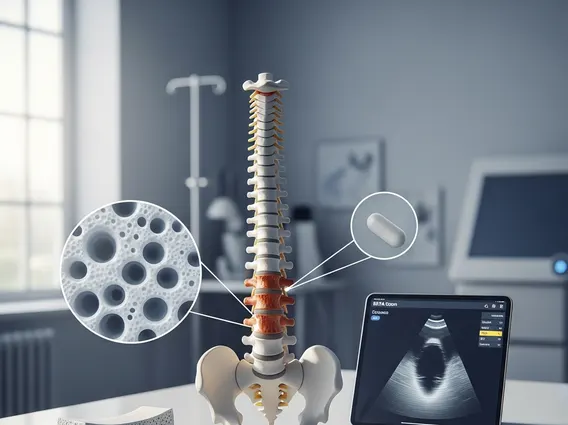
Osteoporosis is a skeletal disorder characterized by compromised bone strength predisposing a person to an increased risk of fracture. It literally means “porous bone,” and it causes bones to become weak and brittle, so brittle that a fall or even mild stresses like bending over or coughing can cause a fracture. These fractures most commonly occur in the hip, wrist, or spine. Globally, 1 in 3 women and 1 in 5 men aged 50 years and over will suffer an osteoporotic fracture, according to the International Osteoporosis Foundation (IOF).
Often, there are no symptoms in the early stages of bone loss. Many people don’t know they have osteoporosis until they experience a fracture. However, once bones have been weakened by osteoporosis, you might have signs and symptoms that include:
- Back pain, caused by a fractured or collapsed vertebra
- Loss of height over time
- A stooped posture
- A bone fracture that occurs much more easily than expected
Causes and Risk Factors for Osteoporosis
The primary cause of osteoporosis is an imbalance between new bone formation and old bone resorption. Our bones are constantly being renewed, with old bone being removed and new bone being created. When you’re young, your body makes new bone faster than it breaks down old bone, and your bone mass increases. Most people reach their peak bone mass by their early 20s. As people age, bone mass is lost faster than it’s created, leading to weaker bones. Causes and risk factors of osteoporosis are numerous and can be categorized into unmodifiable and modifiable factors.
Unmodifiable risk factors include:
- Sex: Women are much more likely to develop osteoporosis than men.
- Age: The older you get, the greater your risk of osteoporosis.
- Race: People of White and Asian descent are at greater risk.
- Family history: Having a parent or sibling with osteoporosis puts you at greater risk, especially if your mother or father experienced a hip fracture.
- Body frame size: Men and women who have small body frames tend to have a higher risk because they might have less bone mass to draw from as they age.
Modifiable risk factors include:
- Low calcium intake: A lifelong lack of calcium plays a major role in the development of osteoporosis.
- Eating disorders: Severely restricting food intake and being underweight weakens bones in both men and women.
- Sedentary lifestyle: People who spend a lot of time sitting have a higher risk of osteoporosis than those who are more active.
- Excessive alcohol consumption: Chronic consumption of more than two alcoholic drinks a day increases the risk of osteoporosis.
- Tobacco use: The exact role of tobacco in osteoporosis isn’t clear, but it has been shown to contribute to weak bones.
Prevention, Treatment, and Living with Osteoporosis
Effective strategies for Osteoporosis prevention and treatment options focus on maintaining bone density and reducing fracture risk. Prevention often begins in childhood and adolescence by building strong bones, but it’s never too late to take steps to protect your bones. Key preventive measures include ensuring adequate intake of calcium and vitamin D, which are crucial for bone health. Regular weight-bearing exercises, such as walking, jogging, and dancing, also help strengthen bones and slow bone loss. Avoiding smoking and excessive alcohol consumption are also vital for bone health.
For those diagnosed with osteoporosis, treatment typically involves medications that help slow bone loss, increase bone density, or both. These may include bisphosphonates, hormone-related therapies, or other bone-building agents. Your doctor will determine the most appropriate treatment plan based on your individual health profile and the severity of your condition. Beyond medication, lifestyle adjustments remain critical.
Living with osteoporosis tips and advice often centers on fall prevention and pain management. Making your home safer by removing tripping hazards, installing grab bars, and ensuring adequate lighting can significantly reduce the risk of falls. Wearing low-heeled shoes with non-slip soles can also help. For managing pain, physical therapy, heat and cold therapy, and sometimes pain medication can be beneficial. It’s also important to maintain a balanced diet rich in calcium and vitamin D, continue with appropriate exercise, and regularly consult with healthcare providers to monitor bone health and adjust treatment as needed. Support groups can also provide valuable emotional and practical support for individuals living with osteoporosis.