Osteopenia
Osteopenia is a condition characterized by lower-than-normal bone mineral density, making bones weaker and increasing the risk of fractures. It is often considered a precursor to osteoporosis, though not everyone with osteopenia will develop the more severe condition.
Key Takeaways
- Osteopenia is a reduction in bone mineral density, less severe than osteoporosis.
- It often presents without noticeable symptoms, making early detection challenging.
- Risk factors include age, genetics, nutritional deficiencies, and certain medical conditions.
- Management typically involves lifestyle adjustments such as diet, exercise, and sometimes medication.
- Regular bone density screenings are crucial for monitoring bone health and preventing progression.
What is Osteopenia?
Osteopenia is a medical condition where bone mineral density (BMD) is lower than normal peak density but not yet low enough to be classified as osteoporosis. It represents a stage of bone loss that, if left unmanaged, can progress to osteoporosis. This weakening of the bones increases the risk of fractures, particularly in the hip, spine, and wrist. According to the National Osteoporosis Foundation (NOF), approximately 43 million adults aged 50 and older in the U.S. have osteopenia, highlighting its widespread prevalence.
Symptoms, Causes, and Treatment Options for Osteopenia
One of the challenges with Osteopenia symptoms causes is that the condition typically does not present with any noticeable symptoms in its early stages. Bone loss occurs silently, and many individuals only discover they have osteopenia after a bone density scan or a fracture from a minor fall. The primary cause of osteopenia is the natural aging process, as bone density naturally declines after age 30. However, several other factors can contribute to its development:
- Genetics: A family history of osteoporosis or osteopenia.
- Nutritional Deficiencies: Inadequate intake of calcium and vitamin D.
- Lifestyle Factors: Sedentary lifestyle, excessive alcohol consumption, and smoking.
- Medical Conditions: Certain conditions like celiac disease, hyperthyroidism, and some inflammatory diseases.
- Medications: Long-term use of corticosteroids or certain anti-seizure drugs.
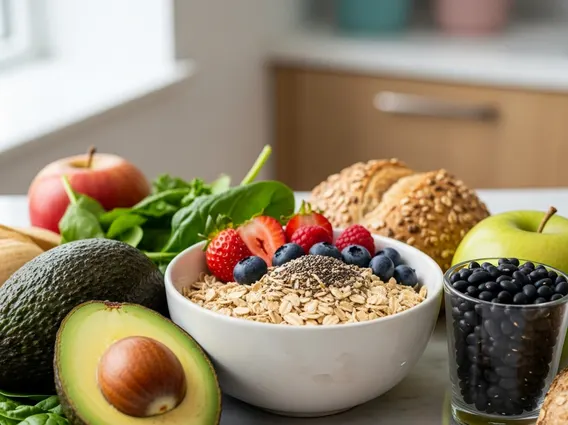
Regarding Osteopenia treatment options, the primary goal is to prevent the progression to osteoporosis and reduce fracture risk. Treatment often focuses on lifestyle modifications. This includes ensuring a diet rich in calcium and vitamin D, engaging in regular weight-bearing and muscle-strengthening exercises, and avoiding smoking and excessive alcohol. In some cases, healthcare providers may recommend calcium and vitamin D supplements or, for individuals at higher risk, certain medications to slow bone loss or increase bone density. These interventions are tailored to the individual’s specific risk factors and bone health status.
Osteopenia vs. Osteoporosis: Key Differences
Understanding the difference between osteopenia and osteoporosis is crucial for diagnosis and management. Both conditions involve a reduction in bone mineral density, but they differ in severity. The distinction is primarily made using a T-score from a bone mineral density (BMD) test, typically a dual-energy X-ray absorptiometry (DXA) scan. The T-score compares an individual’s bone density to that of a healthy young adult.
| Condition | T-Score Range | Description |
|---|---|---|
| Normal Bone Density | -1.0 and above | Healthy bone density. |
| Osteopenia | Between -1.0 and -2.5 | Lower than normal bone density, indicating increased fracture risk. |
| Osteoporosis | -2.5 and below | Significantly reduced bone density, leading to a high risk of fractures. |
While osteopenia signifies a moderate reduction in bone density, osteoporosis indicates severe bone loss, making bones very fragile and highly susceptible to fractures from minimal trauma. Early detection of osteopenia allows for proactive measures to prevent its progression to osteoporosis, which is a more debilitating condition with higher rates of fractures and associated complications.