
Osteonecrosis
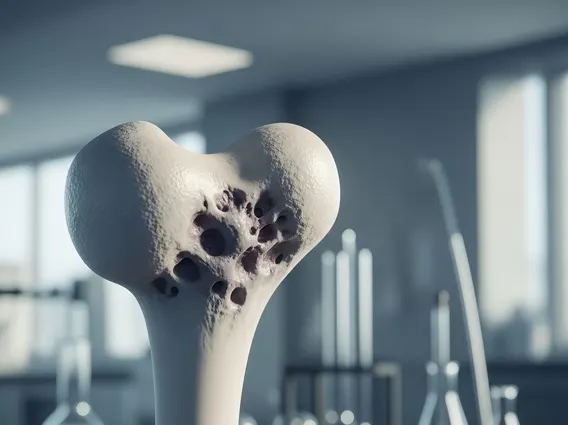
Osteonecrosis is a debilitating condition that results from the temporary or permanent loss of blood supply to a bone. This interruption leads to the death of bone tissue, causing the bone to collapse and potentially leading to severe arthritis.
Key Takeaways
- Osteonecrosis, also known as avascular necrosis, occurs when bone tissue dies due to a lack of blood supply.
- It commonly affects joints like the hip, knee, and shoulder, leading to pain and impaired function.
- Causes include trauma, long-term corticosteroid use, excessive alcohol consumption, and certain medical conditions.
- Symptoms often begin with mild pain that worsens over time, eventually limiting joint movement.
- Treatment options range from conservative measures like medication and physical therapy to surgical interventions such as core decompression or joint replacement.
What is Osteonecrosis (Avascular Necrosis)?
Osteonecrosis refers to a condition characterized by the death of bone tissue due to an interruption of its blood supply. This process, also known as avascular necrosis, can affect any bone in the body, but it most commonly impacts the ends of long bones that form joints, such as the hip, knee, shoulder, and ankle. When the blood flow to a section of bone is severely reduced or completely cut off, the bone cells, which require a constant supply of oxygen and nutrients, begin to die.
Over time, the dead bone weakens and can collapse, leading to tiny breaks in the bone’s structure. This structural compromise can cause the joint surface to flatten, resulting in pain, loss of joint function, and eventually severe degenerative arthritis. While it can affect anyone, osteonecrosis is more prevalent in individuals between 30 and 50 years old, with an estimated 10,000 to 20,000 new cases diagnosed annually in the United States, according to the American Academy of Orthopaedic Surgeons. Early diagnosis is crucial to prevent significant joint damage and preserve joint integrity.
Osteonecrosis Symptoms, Causes, and Treatment Options
The progression of osteonecrosis typically involves several stages, with symptoms varying depending on the extent of bone damage. In its initial stages, osteonecrosis may present with no symptoms at all, as the bone tissue begins to die without immediate pain. As the condition advances, however, the affected bone weakens and begins to collapse, leading to noticeable discomfort and functional limitations.
Common symptoms of osteonecrosis include:
- Gradual onset of pain in the affected joint, which may be mild at first and progressively worsen.
- Pain that intensifies with weight-bearing activities or movement of the joint.
- Stiffness or a limited range of motion in the affected joint.
- Aching or throbbing pain, even at rest, as the condition progresses.
- Limping if the hip or knee is affected, due to pain and difficulty bearing weight.
The causes of osteonecrosis are diverse, often involving factors that compromise blood flow to the bone. While some cases are idiopathic (meaning no clear cause is identified), several risk factors and underlying conditions are strongly associated with its development. These include:
- Trauma: Fractures or dislocations near a joint can damage blood vessels, interrupting supply.
- Corticosteroid Use: Long-term, high-dose use of corticosteroids (e.g., prednisone) is a significant risk factor.
- Alcohol Abuse: Excessive alcohol consumption can lead to fatty deposits in blood vessels, reducing blood flow.
- Certain Medical Conditions: Systemic lupus erythematosus, sickle cell disease, Gaucher disease, HIV/AIDS, and pancreatitis can increase risk.
- Radiation Therapy and Chemotherapy: These cancer treatments can sometimes damage blood vessels and bone.
- Decompression Sickness: Also known as “the bends,” it can occur in divers and lead to gas bubbles blocking blood flow.
Addressing osteonecrosis requires a comprehensive approach, with osteonecrosis treatment options tailored to the stage of the disease, the patient’s age, and overall health. The primary goals of treatment are to relieve pain, preserve joint function, and halt the progression of bone destruction.
Non-surgical treatments are often considered for early-stage osteonecrosis or to manage symptoms:
- Medications: Pain relievers (NSAIDs), cholesterol-lowering drugs (to reduce fatty deposits), and blood thinners (to improve blood flow) may be prescribed.
- Physical Therapy: Exercises to maintain or improve joint range of motion and strength.
- Reduced Weight-Bearing: Using crutches or limiting activities to decrease stress on the affected joint.
When conservative measures are insufficient or the disease is advanced, surgical interventions may be necessary:
- Core Decompression: A procedure to drill a hole into the dead bone to relieve pressure and create channels for new blood vessels.
- Osteotomy: Reshaping the bone to shift weight from the damaged area to a healthier part of the joint.
- Bone Graft: Transplanting healthy bone tissue from another part of the body or a donor to replace the dead bone.
- Joint Replacement (Arthroplasty): For severe cases where the joint has collapsed, replacing the damaged joint with an artificial implant (e.g., total hip replacement).
It is important to note that while some complementary therapies may offer supportive care, they do not replace conventional medical treatment for osteonecrosis. Always consult with a healthcare professional for diagnosis and treatment planning.



















