Os
In the realm of anatomy and medicine, Os is the Latin term for bone, representing the fundamental structural components of the vertebrate skeleton. These rigid organs play a crucial role in supporting the body, protecting vital organs, and facilitating movement.
Key Takeaways
- Os is the Latin word for bone, forming the essential framework of the body.
- Bones are complex, living tissues composed primarily of collagen and calcium phosphate.
- They are classified into types such as long, short, flat, irregular, and sesamoid based on their shape.
- Key functions of bones include providing structural support, protecting internal organs, enabling movement, producing blood cells, and storing essential minerals.
- Maintaining bone health is vital for overall well-being and preventing conditions like osteoporosis.
What is Os (Bone) and Its Anatomical Definition?
Os refers to a rigid organ that constitutes part of the vertebrate skeleton in animals. Anatomically, a bone is a complex, living tissue that is constantly being remodeled. It is primarily composed of an organic matrix of collagen fibers, which provides flexibility, and an inorganic mineral component, mainly calcium phosphate (hydroxyapatite), which gives bones their hardness and strength. This unique composition allows bones to withstand significant compressive and tensile forces while remaining somewhat flexible.
The skeletal system, comprised of all the bones in the body, serves multiple vital functions. It acts as the body’s framework, providing shape and support, and anchoring muscles, tendons, and ligaments. Beyond its structural role, bone tissue is dynamic, playing a critical part in various physiological processes, including mineral homeostasis and hematopoiesis. The outer surface of most bones is covered by a fibrous membrane called the periosteum, which contains blood vessels and nerves that nourish the bone and aid in repair.
Types and Key Functions of Os in the Body
Bones are categorized into several types based on their shape, each designed to perform specific functions within the body. Understanding these classifications helps in appreciating the diverse roles of the skeletal system.
The main types of Os include:
- Long Bones: Characterized by a shaft and two expanded ends, these bones are primarily involved in movement and support. Examples include the femur (thigh bone) and humerus (upper arm bone).
- Short Bones: Roughly cube-shaped, these bones provide stability and some movement. They are found in the wrists (carpals) and ankles (tarsals).
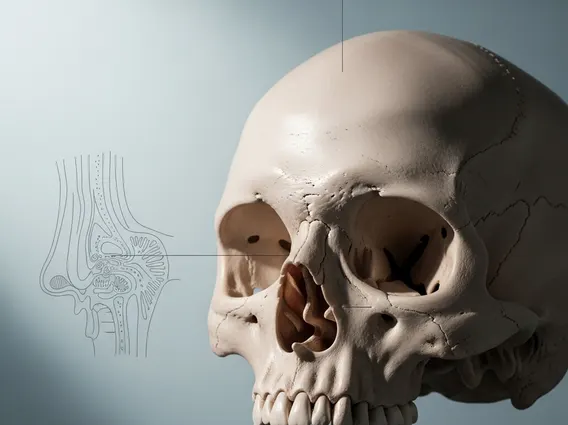
- Flat Bones: Thin, flattened, and often curved, flat bones primarily serve to protect internal organs and provide broad surfaces for muscle attachment. Examples include the skull bones, sternum (breastbone), and scapulae (shoulder blades).
- Irregular Bones: These bones have complex shapes that do not fit into the other categories. They often have specific functions, such as protecting nervous tissue or providing multiple attachment points for muscles. Vertebrae (spinal bones) and pelvic bones are prime examples.
- Sesamoid Bones: Small, round bones embedded within tendons, sesamoid bones act to protect the tendon from stress and improve the mechanical advantage of muscles. The patella (kneecap) is the largest sesamoid bone.
The key functions of Os in the body are extensive and crucial for overall health:
Firstly, bones provide the body’s structural framework, offering support and maintaining posture. Secondly, they protect delicate internal organs; for instance, the skull safeguards the brain, and the rib cage shields the heart and lungs. Thirdly, bones act as levers for muscles, allowing for a wide range of movements, from walking to fine motor skills. Fourthly, bone marrow, found within larger bones, is the primary site of hematopoiesis, the process of producing blood cells, including red blood cells, white blood cells, and platelets. Finally, bones serve as a vital reservoir for essential minerals, particularly calcium and phosphorus. They regulate mineral balance in the blood, releasing minerals when needed and storing them when in excess. For example, maintaining adequate calcium levels is critical for nerve function, muscle contraction, and blood clotting. According to the World Health Organization (WHO), bone health is a significant public health concern, with conditions like osteoporosis affecting millions globally, underscoring the importance of these mineral storage functions.