Orthopedic Surgeon
An orthopedic surgeon is a medical doctor specializing in the diagnosis, treatment, prevention, and rehabilitation of injuries and diseases of the musculoskeletal system. They address issues affecting bones, joints, ligaments, tendons, muscles, and nerves.
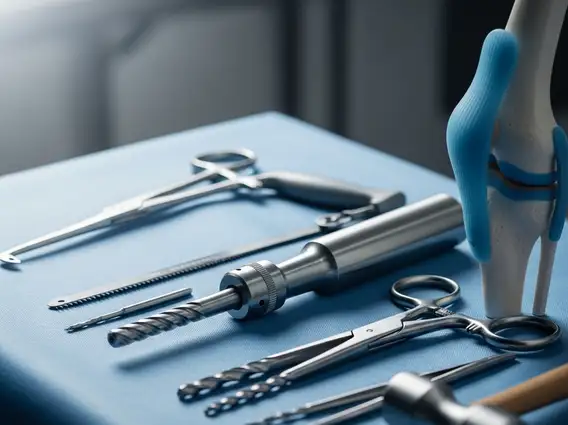
Key Takeaways
- Orthopedic surgeons are medical specialists focused on the musculoskeletal system, including bones, joints, ligaments, and muscles.
- Their responsibilities encompass both surgical and non-surgical approaches to treat a wide range of conditions.
- Becoming an orthopedic surgeon requires extensive education, including medical school, a five-year residency, and often a fellowship.
- They perform numerous procedures, from fracture repair and arthroscopy to complex joint replacements and spine surgeries.
What is an Orthopedic Surgeon?
An Orthopedic Surgeon is a physician who has completed specialized training in orthopedics, focusing on the intricate system that allows the body to move. This includes bones, joints, ligaments, tendons, muscles, and nerves. Their expertise covers a broad spectrum of conditions, ranging from congenital disorders and traumatic injuries to degenerative diseases and sports-related issues. They are trained to evaluate, diagnose, and treat these conditions, aiming to restore function, reduce pain, and improve the patient’s quality of life.
The field of orthopedics is dynamic, constantly evolving with advancements in surgical techniques, imaging, and rehabilitation protocols. Orthopedic surgeons work with patients of all ages, from newborns with clubfoot to elderly individuals requiring joint replacements. They often collaborate with other healthcare professionals, such as physical therapists, occupational therapists, and pain management specialists, to provide comprehensive care tailored to each patient’s needs.
Roles, Procedures, and Training of an Orthopedic Surgeon
The scope of an orthopedic surgeon’s practice is extensive, encompassing various aspects of musculoskeletal health. Orthopedic surgeon responsibilities include performing thorough physical examinations, interpreting diagnostic imaging (X-rays, MRI, CT scans), formulating treatment plans, and executing surgical interventions when necessary. They also manage non-surgical treatments such as medication, injections, and physical therapy prescriptions, and oversee rehabilitation programs to ensure optimal recovery.
Becoming an orthopedic surgeon is a rigorous and lengthy process. It begins with completing a four-year undergraduate degree, followed by four years of medical school to earn a Doctor of Medicine (MD) or Doctor of Osteopathic Medicine (DO) degree. After medical school, aspiring orthopedic surgeons must complete a five-year residency program in orthopedic surgery, which involves intensive training in all subspecialties of orthopedics. Many then pursue an additional one or two-year fellowship for subspecialization in areas like sports medicine, spine surgery, joint reconstruction, pediatric orthopedics, or trauma. This extensive training ensures they are highly skilled and knowledgeable in complex musculoskeletal care.
Common orthopedic surgeon procedures address a wide array of conditions affecting the musculoskeletal system. These procedures are designed to alleviate pain, correct deformities, improve mobility, and repair damaged structures. Some of the frequently performed procedures include:
- Fracture Repair: Stabilizing broken bones using casts, splints, or surgical implants like plates, screws, or rods.
- Arthroscopy: A minimally invasive surgical technique used to diagnose and treat joint problems, particularly in the knee, shoulder, hip, and ankle.
- Joint Replacement (Arthroplasty): Replacing damaged joints, most commonly hips and knees, with artificial implants to relieve pain and restore function.
- Spine Surgery: Addressing conditions like herniated discs, spinal stenosis, and scoliosis through procedures such as discectomy, laminectomy, and spinal fusion.
- Ligament and Tendon Repair: Reconstructing or repairing torn ligaments (e.g., ACL repair) and tendons (e.g., rotator cuff repair) to restore joint stability and muscle function.
Musculoskeletal conditions are a significant global health concern. According to the World Health Organization (WHO), these conditions are the largest contributor to disability worldwide, affecting hundreds of millions of people and highlighting the critical role of orthopedic surgeons in public health.