Organoid
Organoids are miniature, three-dimensional cellular structures grown in vitro that mimic the complex architecture and function of native organs. These advanced models are revolutionizing biomedical research by providing unprecedented insights into human development, disease progression, and therapeutic responses.
Key Takeaways
- Organoid models are self-organizing 3D cell cultures derived from stem cells, replicating organ-like structures and functions.
- They are created by culturing pluripotent stem cells in specific conditions that guide their differentiation and self-assembly into miniature organs.
- Organoids serve as powerful tools for studying organ development, modeling various diseases, and testing drug efficacy and toxicity.
- Different types of organoids, such as brain, gut, and kidney organoids, offer unique applications in personalized medicine and regenerative research.
What is an Organoid?
An Organoid refers to a simplified, miniaturized version of an organ produced in vitro, exhibiting realistic micro-anatomy and physiological functions. These sophisticated models are typically derived from pluripotent stem cells (such as induced pluripotent stem cells or embryonic stem cells) or adult stem cells. By providing the right biochemical and physical cues, these cells are encouraged to differentiate and self-organize into three-dimensional structures that closely resemble their in vivo counterparts, albeit on a much smaller scale. Organoids can replicate various aspects of organ function, including cell type diversity, tissue architecture, and even some physiological processes, making them invaluable for scientific investigation.
How Are Organoids Created and How Do They Work?
The creation of organoids begins with the careful selection and culture of stem cells. These cells are typically grown in a specialized extracellular matrix, such as Matrigel, which provides a scaffold for 3D growth and mimics the natural cellular environment. Specific growth factors and signaling molecules are then introduced to guide the stem cells through a process of differentiation, prompting them to develop into the desired cell types of a particular organ. Over time, these differentiated cells begin to self-organize, forming complex structures that recapitulate key features of the native organ.
Organoids work by providing a physiologically relevant model for studying biological processes. Their three-dimensional nature allows for cell-to-cell interactions and spatial organization that are absent in traditional 2D cell cultures. This enables researchers to observe how cells communicate, how tissues develop, and how diseases manifest within a more natural context. For instance, brain organoids can develop neural networks, while gut organoids can form villi-like structures and absorb nutrients. This ability to mimic organ structure and function makes them powerful tools for understanding complex biological mechanisms and testing interventions.
Types of Organoids and Their Applications in Research
The field of organoid research has expanded rapidly, leading to the development of various types of organoids, each with specific applications. These models are transforming our understanding of human biology and disease, offering a versatile platform for scientific discovery. Some prominent types include:
- Brain Organoids: Used to study brain development, neurological disorders like Alzheimer’s and Parkinson’s disease, and the effects of infections such as Zika virus.
- Gut Organoids: Valuable for investigating intestinal diseases, nutrient absorption, and host-microbe interactions.
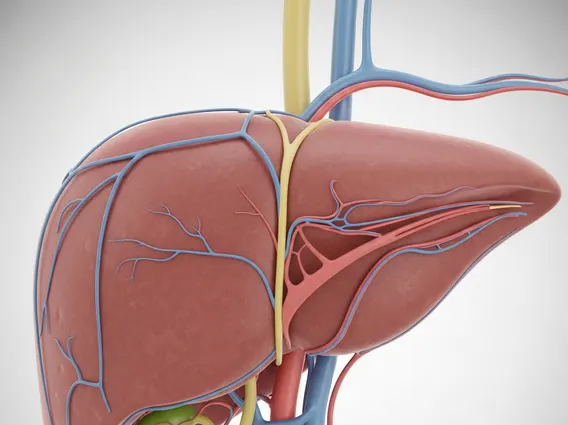
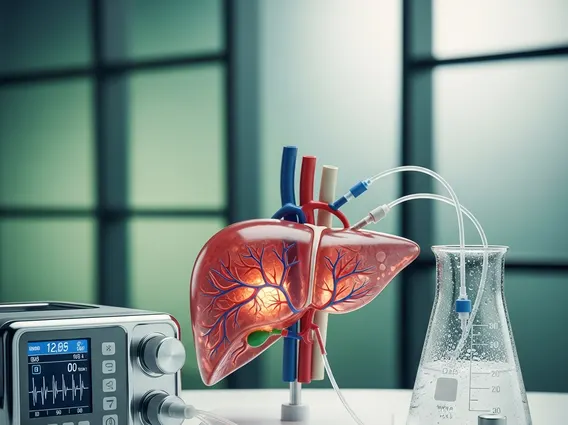
- Liver Organoids: Applied in toxicology screening, drug metabolism studies, and modeling liver diseases like non-alcoholic fatty liver disease.
- Kidney Organoids: Utilized to understand kidney development, model polycystic kidney disease, and evaluate nephrotoxic drugs.
- Lung Organoids: Employed to study respiratory diseases, viral infections (e.g., SARS-CoV-2), and lung development.
The applications of organoids in research are extensive and continue to grow. They are instrumental in disease modeling, allowing scientists to recreate human diseases in a dish and observe their progression and response to potential treatments. This capability is particularly impactful for rare genetic disorders and complex conditions like cancer, where patient-derived organoids can facilitate personalized medicine approaches. Furthermore, organoids are crucial for drug discovery and toxicology screening, providing a more accurate and ethical alternative to animal testing by predicting drug efficacy and adverse effects in human-relevant systems. They also serve as powerful tools for developmental biology, shedding light on the intricate processes of organ formation and cellular differentiation. The potential for organoids in regenerative medicine, such as generating tissues for transplantation, represents a promising future direction for the technology.