
Organ
Organs are fundamental biological units in multicellular organisms, representing collections of tissues working together to perform specific, vital functions within the body. They are crucial for maintaining life and ensuring the proper functioning of an organism.
Key Takeaways
- An organ is a specialized structure composed of different types of tissues that collaborate to perform a specific function.
- The human body contains numerous organs, each with a unique and essential role in maintaining health.
- Organs are systematically grouped into organ systems, which work together to carry out complex physiological processes.
- Understanding the structure and function of organs and organ systems is fundamental to comprehending human biology and health.
What is an Organ in the Human Body?
An organ is a distinct structural and functional unit within an organism, formed by the collaboration of two or more different types of tissues. These tissues—such as epithelial, connective, muscle, and nervous tissue—work in concert to carry out a specific physiological role. For instance, the stomach, a vital organ, is composed of muscle tissue for churning food, epithelial tissue for secretion and protection, and nervous tissue for regulation. The precise arrangement and interaction of these tissues enable the organ to perform its specialized tasks efficiently, contributing to the overall health and function of the human body.
Types of Organs and Their Functions
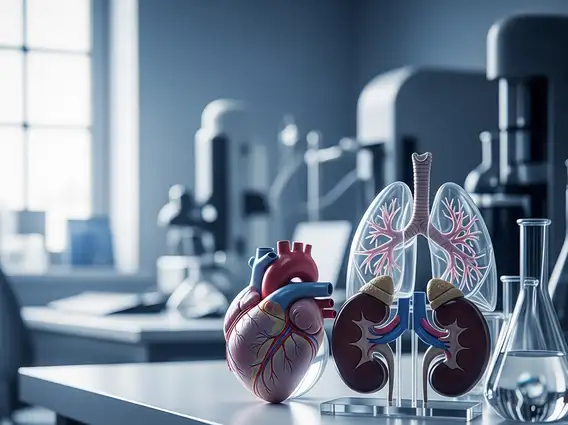
The human body houses a remarkable array of organs, each meticulously designed for particular roles. These range from large, complex structures to smaller, equally vital components. Understanding the major human body organs explained involves recognizing their unique contributions to life. For example, the heart pumps blood, the lungs facilitate gas exchange, and the brain serves as the control center for the nervous system.
Here are some examples of organs and their primary functions:
- Heart: A muscular pump that circulates blood throughout the body, delivering oxygen and nutrients to tissues and removing waste products.
- Lungs: Essential for respiration, facilitating the exchange of oxygen from the air into the blood and carbon dioxide from the blood into the air.
- Brain: The central processing unit of the nervous system, controlling thoughts, movements, sensations, and vital body functions like breathing and heart rate.
- Liver: Performs numerous metabolic functions, including detoxification of chemicals, metabolism of drugs, production of bile for digestion, and synthesis of proteins.
- Kidneys: Filter waste products and excess water from the blood to produce urine, playing a critical role in regulating fluid balance and blood pressure.
- Stomach: Digests food through both enzymatic and mechanical breakdown, preparing it for further processing and nutrient absorption in the intestines.
- Skin: The body’s largest organ, providing a protective barrier against pathogens, regulating body temperature, and sensing external stimuli.
Organ Systems in the Human Body
Organs do not function in isolation; instead, they are organized into intricate organ systems in the human body, where multiple organs cooperate to perform broader physiological processes. Each system has a distinct set of responsibilities, yet they all interact and depend on one another to maintain the body’s internal balance, known as homeostasis. For example, the digestive system, comprising organs like the stomach, intestines, liver, and pancreas, works collectively to process food, absorb nutrients, and eliminate waste.
There are typically 11 major organ systems, including the cardiovascular, respiratory, nervous, digestive, endocrine, urinary, reproductive, integumentary, skeletal, muscular, and lymphatic systems. The coordinated efforts of these systems ensure the body can perform complex actions, respond to its environment, and sustain life. Disruptions in one system can often have cascading effects on others, highlighting their profound interconnectedness and the importance of each component for overall health.



















