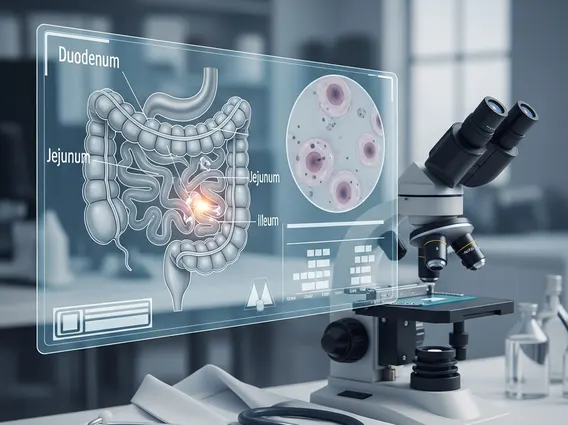
Open Colectomy
Open Colectomy is a significant surgical procedure involving the removal of a portion of the colon. This article provides a comprehensive overview of the procedure, its steps, recovery process, and potential risks.

Key Takeaways
- Open Colectomy is a major abdominal surgery performed to remove part or all of the colon.
- The procedure involves a large incision, resection of the diseased colon, and rejoining the healthy ends.
- Recovery typically requires several days in the hospital and weeks at home, with careful management of diet and activity.
- Potential risks include infection, bleeding, anastomotic leak, and bowel obstruction.
- It is a vital treatment option for various severe colorectal conditions, including cancer and inflammatory bowel disease.
What is Open Colectomy?
Open Colectomy refers to a major surgical procedure involving the removal of a diseased or damaged section of the colon (large intestine) through a single, large incision in the abdomen. This type of surgery is performed to treat a variety of serious conditions affecting the colon, such as colorectal cancer, severe inflammatory bowel disease (Crohn’s disease or ulcerative colitis), diverticulitis complications, or significant bleeding. The extent of the colectomy depends on the specific condition and location, ranging from removing a small segment (partial colectomy) to the entire colon (total colectomy). The primary goal of this surgery is to remove the affected portion of the bowel and restore healthy bowel function, often by rejoining the remaining healthy ends of the colon or creating an ostomy.
Open Colectomy Procedure Steps
The open colectomy procedure steps involve several critical stages, typically performed under general anesthesia. Initially, the surgeon makes a long incision in the abdomen, allowing direct visualization and access to the abdominal organs. The specific location and length of the incision can vary depending on the part of the colon being removed. Once the colon is exposed, the surgeon carefully identifies the diseased section and ligates (ties off) the blood vessels supplying that segment. The affected portion of the colon is then meticulously dissected and removed. After the removal, the remaining healthy ends of the colon are typically reconnected, a process known as anastomosis. In some cases, if immediate reconnection is not safe or feasible, an ostomy may be created, where a portion of the bowel is brought through an opening in the abdominal wall to divert waste into an external bag. Finally, the incision is closed with sutures or staples.
Recovery and Risks of Open Colectomy
The open colectomy recovery time is a significant aspect of the surgical journey, typically requiring a hospital stay of 5 to 10 days, followed by several weeks of recuperation at home. Immediately after surgery, patients are monitored closely for pain management, fluid balance, and bowel function. Early mobilization, such as walking, is encouraged to prevent complications like blood clots. Diet is gradually advanced from clear liquids to solids as bowel function returns. Full recovery can take anywhere from 6 weeks to several months, during which patients are advised to avoid heavy lifting and strenuous activities.
Despite its effectiveness, there are inherent risks of open colectomy that patients should be aware of. These can include:
- Infection: Surgical site infections or intra-abdominal infections.
- Bleeding: Excessive blood loss during or after the procedure.
- Anastomotic Leak: A serious complication where the newly joined ends of the colon do not heal properly, leading to leakage of bowel contents into the abdominal cavity. This occurs in approximately 1-3% of colorectal surgeries, according to studies cited by the American Society of Colon and Rectal Surgeons.
- Bowel Obstruction: Scar tissue (adhesions) forming after surgery can sometimes lead to blockages in the intestines.
- Damage to Adjacent Organs: Accidental injury to nearby organs such as the bladder, ureters, or small intestine.
- Hernia: Development of an incisional hernia at the site of the surgical wound.
- Anesthesia Risks: Standard risks associated with general anesthesia, including adverse reactions or respiratory issues.
Patients are closely monitored for these potential complications, and prompt intervention is crucial if they arise.