Oophoropexy
Oophoropexy is a specialized surgical procedure primarily aimed at repositioning and securing the ovaries. This intervention is crucial in specific medical contexts to protect ovarian function and overall reproductive health.
Key Takeaways
- Oophoropexy is a surgical procedure to fix an ovary in a new, stable position.
- It is often performed to prevent ovarian torsion, a painful condition where the ovary twists.
- Another key indication is to protect the ovaries from radiation damage during pelvic cancer treatment.
- The procedure can be performed laparoscopically or via open surgery, depending on the specific case.
- Preserving fertility and alleviating pain are primary goals of Oophoropexy.
What is Oophoropexy?
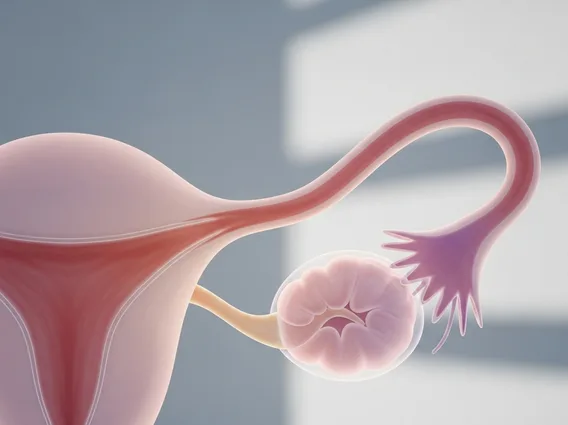
Oophoropexy refers to a surgical procedure designed to reposition and secure one or both ovaries to an adjacent anatomical structure, such as the uterine wall or pelvic sidewall. The primary goal of this intervention is to prevent the ovary from twisting on its vascular pedicle, a condition known as ovarian torsion, or to move it out of a radiation field. The oophoropexy medical definition emphasizes the fixation of the ovary to maintain its proper anatomical position and function. This procedure is critical in safeguarding ovarian viability and reproductive potential, especially in situations where the ovaries are at risk of damage or displacement.
How Is Oophoropexy Performed?
The oophoropexy procedure explained typically involves a minimally invasive laparoscopic approach, though an open laparotomy may be necessary in certain complex cases. During a laparoscopic oophoropexy, small incisions are made in the abdomen, through which a laparoscope (a thin, lighted tube with a camera) and surgical instruments are inserted. The surgeon carefully identifies the ovary and its vascular supply. The ovary is then gently repositioned to a more stable location, often by suturing it to the posterior aspect of the uterus or the round ligament. This fixation prevents future displacement or twisting. The choice of fixation site depends on the individual patient’s anatomy and the specific indication for the surgery.
For instance, when performed for radiation protection, the ovaries are often moved superiorly and laterally, away from the anticipated radiation field. The surgical steps generally include:
- Access: Creating small incisions for laparoscopic ports or a larger incision for open surgery.
- Visualization: Identifying the ovaries and surrounding pelvic anatomy.
- Repositioning: Gently moving the ovary to its desired, safer location.
- Fixation: Securing the ovary with sutures to an adjacent structure to prevent future movement.
- Closure: Removing instruments and closing incisions.
Indications for Oophoropexy
The purpose of oophoropexy surgery is multifaceted, primarily focusing on preventing complications and preserving ovarian function. One of the most common indications is the prevention of recurrent ovarian torsion, a condition characterized by the twisting of the ovary and fallopian tube, which can compromise blood supply and lead to tissue damage or loss. Ovarian torsion accounts for approximately 2.7% of gynecologic emergencies, with a higher incidence in women of reproductive age, according to a study published in the American Journal of Obstetrics & Gynecology. Patients with elongated ovarian ligaments, ovarian cysts, or previous episodes of torsion are at higher risk and may benefit from Oophoropexy.
Another significant indication for Oophoropexy is to protect the ovaries from the damaging effects of radiation therapy, particularly in young women undergoing treatment for pelvic malignancies such as cervical cancer, rectal cancer, or Hodgkin lymphoma. By surgically relocating the ovaries outside the planned radiation field, their exposure to radiation can be significantly reduced, thereby preserving ovarian function and fertility. This “ovarian transposition” is a crucial fertility-sparing technique. Additionally, in rare cases of pelvic organ prolapse or certain reconstructive surgeries, Oophoropexy may be performed to maintain proper anatomical alignment of the pelvic organs.