Oocyte Cryopreservation
Oocyte Cryopreservation, commonly known as egg freezing, is a medical procedure that offers individuals the opportunity to preserve their fertility for future use. This advanced reproductive technology allows for the storage of a woman’s eggs, providing flexibility and options regarding family planning.
Key Takeaways
- Oocyte Cryopreservation is the process of freezing and storing a woman’s eggs to preserve fertility.
- The procedure involves ovarian stimulation, egg retrieval, and cryopreservation using vitrification.
- It offers significant benefits, including preserving fertility for medical reasons, social flexibility, and increasing future reproductive options.
- Success rates are influenced by the woman’s age at the time of freezing and the number of eggs stored.
What is Oocyte Cryopreservation?
Oocyte Cryopreservation is a medical procedure that involves retrieving a woman’s eggs (oocytes) from her ovaries and freezing them for later use. This process is primarily undertaken to preserve fertility, allowing individuals to delay childbearing for various reasons, including medical necessity, personal choice, or social factors. The frozen eggs can be stored for many years and later thawed, fertilized with sperm in a laboratory, and implanted into the uterus.
The technique offers a crucial option for women facing treatments that might compromise their fertility, such as chemotherapy or radiation therapy for cancer. It also provides an avenue for those who wish to postpone pregnancy due to career aspirations, lack of a suitable partner, or other life circumstances, thereby extending their reproductive window. This method has become increasingly popular as advancements in cryopreservation technology have improved success rates.
The Egg Freezing Process Explained
The egg freezing process explained typically involves several key stages, beginning with an initial consultation and assessment. This evaluation helps determine the individual’s ovarian reserve and overall suitability for the procedure. Once deemed appropriate, the process unfolds as follows:
- Ovarian Stimulation: For approximately 10-14 days, the woman self-administers hormonal injections to stimulate the ovaries to produce multiple mature eggs, rather than the single egg typically released during a natural menstrual cycle. Regular monitoring through blood tests and ultrasounds tracks follicle development.
- Egg Retrieval: Once the eggs are mature, a minor surgical procedure is performed under light sedation. Guided by ultrasound, a thin needle is inserted through the vaginal wall into the ovaries to aspirate the fluid from the follicles, collecting the eggs. This procedure usually takes about 20-30 minutes.
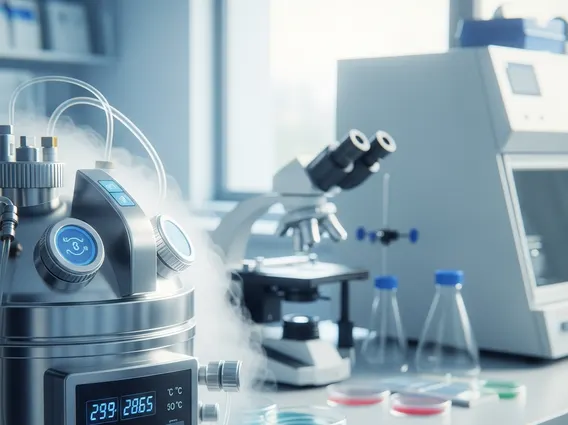
- Cryopreservation (Freezing): Immediately after retrieval, the mature eggs are rapidly frozen using a technique called vitrification. Vitrification involves dehydrating the eggs and replacing the water with cryoprotectants, then flash-freezing them to prevent ice crystal formation, which can damage the cells. The frozen eggs are then stored in liquid nitrogen at extremely low temperatures.
This comprehensive approach ensures that the eggs are preserved effectively, maintaining their viability for future fertilization. Understanding how egg freezing works involves recognizing these intricate steps, from hormonal preparation to the advanced freezing techniques that safeguard the eggs for years.
Benefits of Oocyte Cryopreservation
The benefits of oocyte cryopreservation are multifaceted, offering significant advantages for individuals seeking to preserve their reproductive potential. One of the primary benefits is the ability to safeguard fertility against age-related decline. A woman’s egg quality and quantity naturally decrease with age, particularly after the mid-30s. Freezing eggs at a younger age can provide a better chance of successful pregnancy later in life. For instance, the American Society for Reproductive Medicine (ASRM) indicates that the success of using frozen eggs is largely dependent on the woman’s age at the time of egg retrieval, with younger age correlating with higher success rates.
Furthermore, egg freezing offers crucial support for individuals facing medical treatments that may impair fertility, such as chemotherapy, radiation, or certain surgeries for conditions like endometriosis. It also provides autonomy and flexibility, allowing women to pursue educational, career, or personal goals without the immediate pressure of biological clock constraints. This reproductive freedom can significantly reduce anxiety related to fertility and empower individuals to make family planning decisions on their own timeline. The procedure also serves as an option for women with a family history of early menopause or those undergoing gender-affirming care.