Ontruzant
Ontruzant is a biosimilar medication primarily used in oncology to treat certain types of cancer. It offers an alternative treatment option for patients requiring targeted therapy.

Key Takeaways
- Ontruzant is a biosimilar to trastuzumab, a monoclonal antibody.
- It is approved for the treatment of HER2-overexpressing breast cancer and metastatic gastric or gastroesophageal junction adenocarcinoma.
- The medication works by specifically targeting and binding to the HER2 protein on cancer cells, inhibiting their growth.
- Common Ontruzant side effects include infusion-related reactions, fever, chills, and nausea.
- Patients receiving Ontruzant require careful monitoring for potential cardiac toxicity and other adverse reactions.
What is Ontruzant and What is it Used For?
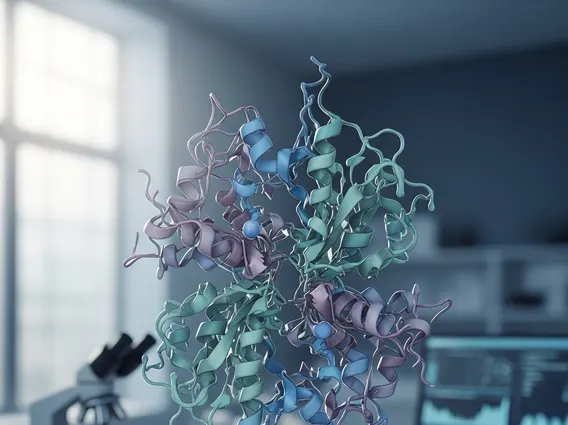
Ontruzant is a biosimilar to trastuzumab, a recombinant DNA-derived humanized monoclonal antibody. A biosimilar is a biological product that is highly similar to an already approved reference biological product, with no clinically meaningful differences in terms of safety, purity, and potency. Ontruzant is specifically designed to target the human epidermal growth factor receptor 2 (HER2) protein, which is overexpressed in certain aggressive cancers.
This medication is primarily used in the treatment of specific cancers that show overexpression of the HER2 protein. These include:
- HER2-overexpressing breast cancer: It is used in both early-stage and metastatic settings, often in combination with chemotherapy or as a single agent.
- HER2-overexpressing metastatic gastric or gastroesophageal junction adenocarcinoma: It is typically used in combination with chemotherapy for patients who have not received prior treatment for metastatic disease.
The decision to use Ontruzant is based on diagnostic tests that confirm HER2 overexpression in the tumor, ensuring that the treatment targets the specific biological pathway driving the cancer’s growth.
How Does Ontruzant Work?
Ontruzant functions as a targeted therapy by specifically interacting with the HER2 protein. HER2 is a receptor tyrosine kinase that plays a crucial role in cell growth, division, and repair. In some cancers, an excessive amount of HER2 protein on the surface of cancer cells leads to uncontrolled cell proliferation and tumor growth. Ontruzant works by binding to the extracellular domain of the HER2 receptor.
This binding action achieves several therapeutic effects:
- It blocks the signaling pathways that promote cancer cell growth and survival.
- It marks the HER2-overexpressing cancer cells for destruction by the body’s immune system through a process called antibody-dependent cell-mediated cytotoxicity (ADCC).
- It can also inhibit angiogenesis, the formation of new blood vessels that tumors need to grow and spread.
By selectively targeting HER2-positive cells, Ontruzant helps to inhibit tumor progression while minimizing damage to healthy cells that do not overexpress HER2, leading to a more focused and effective treatment strategy.
Ontruzant Side Effects and Drug Information
Like all medications, Ontruzant can cause side effects. Understanding potential Ontruzant side effects is crucial for patients and healthcare providers to manage treatment effectively. Common side effects often include infusion-related reactions (such as fever, chills, headache, and nausea), fatigue, diarrhea, and muscle pain. More serious side effects, though less common, can include cardiac dysfunction (such as heart failure or a decrease in heart function), pulmonary toxicity, and hypersensitivity reactions.
Patients are typically monitored for cardiac function before and during treatment with Ontruzant, especially those with pre-existing heart conditions or who have received prior cardiotoxic therapies. Any signs of heart problems, such as shortness of breath, swelling, or rapid heartbeat, should be reported to a healthcare professional immediately.
Comprehensive Ontruzant drug information emphasizes that it is administered intravenously by a healthcare professional, typically over a period of 30 to 90 minutes. The dosage and frequency depend on the specific cancer type, stage, and the patient’s body weight. It is essential for patients to adhere to their prescribed treatment schedule and to communicate any concerns or adverse reactions to their oncology team. Ontruzant should only be used under the guidance of a physician experienced in the administration of antineoplastic agents.