
Nutrition Tips to Prevent Bleeding and Bruising
Understanding the role of nutrition is crucial for maintaining overall health, including the strength of your blood vessels and the efficiency of your blood clotting system. Incorporating specific nutrients into your diet can significantly contribute to preventing excessive bleeding and easy bruising.
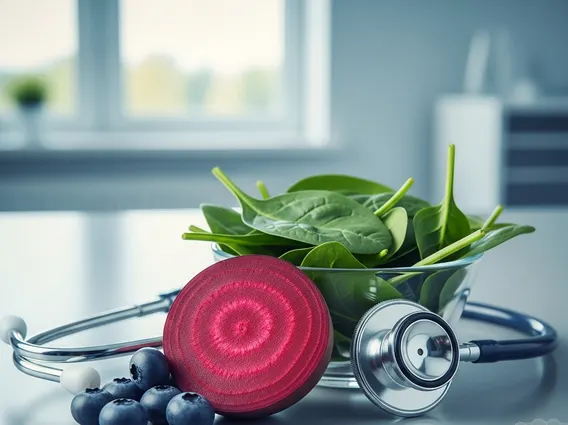
Key Takeaways
- Vitamin K is essential for blood clotting, found abundantly in leafy green vegetables.
- Vitamin C strengthens capillary walls and supports collagen formation, reducing bruise susceptibility.
- Antioxidant-rich foods like berries and citrus protect blood vessels from damage.
- Omega-3 fatty acids contribute to anti-inflammatory processes, supporting vascular health.
- Maintaining proper hydration and a balanced diet with whole grains helps optimize nutrient absorption and overall blood health.
Nutrition Tips to Prevent Bleeding and Bruising
Adopting specific nutrition tips to prevent bleeding and bruising involves a comprehensive approach to dietary choices. A well-balanced diet rich in certain vitamins and minerals is fundamental for maintaining the integrity of blood vessels and ensuring efficient blood coagulation. These dietary adjustments can significantly reduce the likelihood of developing bruises from minor impacts and can support the body’s natural healing processes.
Essential Vitamins for Blood Clotting
Several vitamins play critical roles in the complex process of blood clotting. Among them, Vitamin K stands out as paramount. It is a fat-soluble vitamin vital for the synthesis of several proteins required for blood coagulation, including prothrombin. Without adequate Vitamin K, the body’s ability to form clots is impaired, leading to increased bleeding tendencies. For instance, the World Health Organization (WHO) highlights the importance of Vitamin K in preventing bleeding disorders, especially in newborns, underscoring its universal significance.
Beyond Vitamin K, other vitamins indirectly support clotting by maintaining overall vascular health. These include B vitamins, which are involved in red blood cell formation and metabolic processes that contribute to healthy blood components.
Minerals Supporting Vascular Health
Minerals are equally important for strong blood vessels and proper blood function. Iron is crucial for producing hemoglobin, a protein in red blood cells that carries oxygen. Iron deficiency can lead to anemia, which might exacerbate bruising due to weakened tissues and impaired healing. Zinc is another key mineral, playing a role in wound healing and immune function, both of which are indirectly linked to the body’s ability to repair damaged blood vessels and prevent prolonged bleeding.
Other minerals like calcium are directly involved in the blood clotting cascade, acting as a cofactor for several clotting factors. Ensuring a sufficient intake of these minerals through a varied diet is a vital part of dietary advice for reducing bleeding and strengthening vascular integrity.
Key Vitamins and Minerals for Stronger Vessels
To effectively strengthen blood vessels and minimize the risk of bruising, focusing on specific vitamins and minerals is key. These nutrients work synergistically to maintain the elasticity and resilience of capillaries, which are often the first to show signs of damage through bruising.
Vitamin K: The Clotting Factor
As the primary clotting factor, Vitamin K is indispensable for preventing easy bruising and bleeding. It enables the liver to produce specific proteins (factors II, VII, IX, and X) that are essential for the coagulation cascade. A deficiency in Vitamin K can lead to prolonged bleeding and an increased propensity for bruising. The recommended daily intake for adults is around 90-120 micrograms. Excellent sources include dark leafy green vegetables such as kale, spinach, collard greens, and broccoli. Regular consumption of these foods is a cornerstone of vitamins to stop easy bruising.
For individuals on anticoagulant medications, it is crucial to consult a healthcare provider regarding Vitamin K intake, as it can interfere with their effectiveness.
Vitamin C for Capillary Strength
Vitamin C is renowned for its role in immune function, but it is equally vital for maintaining the strength and integrity of blood vessel walls. It is essential for the synthesis of collagen, a primary structural protein that forms the connective tissue in capillaries. Strong collagen helps prevent capillaries from breaking easily, thereby reducing the likelihood of bruising. A deficiency in Vitamin C can lead to fragile capillaries and increased bruising, a hallmark symptom of scurvy in severe cases. The Centers for Disease Control and Prevention (CDC) emphasizes the importance of Vitamin C for overall health, including its role in tissue repair and protection.
Rich sources of Vitamin C include citrus fruits (oranges, grapefruits), bell peppers, strawberries, kiwi, and broccoli. Including these in your daily diet is a simple yet effective way to support capillary strength and prevent easy bruising.
Foods That Help Prevent Bruising
Beyond specific vitamins, a variety of whole foods offer a spectrum of nutrients that collectively contribute to vascular health and reduce the incidence of bruising. Incorporating these into your daily meals provides a holistic approach to strengthening your body’s defenses against bleeding issues.
Antioxidant-Rich Fruits & Vegetables
Antioxidant-rich fruits and vegetables are crucial for protecting blood vessels from oxidative damage, which can weaken their walls and make them more susceptible to bruising. Bioflavonoids, a type of plant pigment found in many fruits and vegetables, work synergistically with Vitamin C to strengthen capillary walls. Anthocyanins, found in berries, are potent antioxidants that can improve blood vessel elasticity. These compounds are key components of foods that help prevent bruising.
Consider adding the following to your diet:
- Berries: Blueberries, blackberries, and raspberries are rich in anthocyanins.
- Citrus Fruits: Oranges, lemons, and grapefruits provide both Vitamin C and bioflavonoids.
- Leafy Greens: Spinach, kale, and collard greens offer Vitamin K and other antioxidants.
- Bell Peppers: Especially red and yellow varieties, are excellent sources of Vitamin C.
Omega-3 Fatty Acids
Omega-3 fatty acids, particularly EPA and DHA, are known for their anti-inflammatory properties and their role in promoting cardiovascular health. While they are often associated with heart health, their ability to reduce inflammation also benefits blood vessel integrity, making them a part of natural ways to prevent bruising. By supporting overall vascular function, omega-3s can contribute to stronger, more resilient blood vessels that are less prone to damage and subsequent bruising.
Good sources of omega-3 fatty acids include:
- Fatty Fish: Salmon, mackerel, sardines, and trout.
- Flaxseeds and Chia Seeds: Excellent plant-based sources.
- Walnuts: Provide alpha-linolenic acid (ALA), a type of omega-3.
Dietary Strategies to Reduce Bleeding Risk
Beyond specific nutrients, broader dietary strategies contribute significantly to reducing the risk of bleeding and improving overall blood health. These strategies focus on maintaining a balanced internal environment and avoiding substances that can negatively impact coagulation.
Hydration and Whole Grains
Maintaining adequate hydration is fundamental for healthy blood volume and circulation. Dehydration can lead to thicker blood, potentially stressing blood vessels. Drinking plenty of water throughout the day helps ensure optimal blood flow and nutrient delivery, which is vital for tissue repair and overall vascular health. The U.S. National Academies of Sciences, Engineering, and Medicine suggests that women consume about 2.7 liters (91 ounces) and men about 3.7 liters (125 ounces) of fluids daily, including water from foods.
Incorporating whole grains like oats, brown rice, and quinoa into your diet provides essential B vitamins, fiber, and other nutrients that support overall metabolic function and energy production. A healthy gut, supported by fiber from whole grains, also plays a role in nutrient absorption, ensuring your body can effectively utilize the vitamins and minerals necessary for blood health. This holistic approach forms part of the best nutrition for preventing bleeding.
Foods and Supplements to Approach with Caution
While many foods promote vascular health, some can increase bleeding risk and should be approached with caution, especially for individuals prone to bruising or on anticoagulant medications. Excessive alcohol consumption can impair liver function, which is crucial for producing clotting factors, thereby increasing bleeding tendencies. Certain supplements, such as high-dose Vitamin E, ginkgo biloba, garlic, and ginger, are known to have blood-thinning effects. While beneficial in moderation, high doses can exacerbate bleeding or bruising.
It is important to discuss any supplements with a healthcare provider, especially if you are taking medications or have a history of bleeding disorders. Understanding what to eat to avoid bleeding issues also involves being aware of potential dietary pitfalls that could counteract your efforts to strengthen your blood vessels and improve clotting efficiency.
Frequently Asked Questions
Can diet alone completely prevent bruising?
While a nutrient-rich diet significantly strengthens blood vessels and improves clotting, it cannot entirely prevent all bruising. Bruises can result from various factors, including trauma, certain medications, and underlying medical conditions. However, optimizing your intake of vitamins like K and C, along with minerals and antioxidants, can substantially reduce the frequency and severity of bruises by enhancing capillary strength and blood coagulation efficiency. It’s a powerful preventative measure, but not a complete guarantee against all causes.
Which foods are the best sources of Vitamin K?
The best sources of Vitamin K are primarily dark leafy green vegetables. These include kale, spinach, collard greens, Swiss chard, and turnip greens. Other good sources are broccoli, Brussels sprouts, and certain vegetable oils. Regularly incorporating these foods into your diet ensures a consistent intake of this essential vitamin, which is crucial for the synthesis of blood clotting proteins in the liver, thereby helping to prevent easy bruising and excessive bleeding.
Are there any foods or supplements I should avoid if I bruise easily?
If you bruise easily, it’s wise to be cautious with certain foods and supplements that can thin the blood. High-dose Vitamin E, ginkgo biloba, garlic supplements, and ginger in large quantities are known for their anticoagulant effects. Excessive alcohol consumption can also impair liver function, affecting clotting factor production. Always consult your doctor before taking new supplements, especially if you are on blood-thinning medications or have a history of bleeding disorders, to ensure your dietary choices support your health without adverse effects.



