
Nutrition Tips for Bowel Obstruction
Navigating a bowel obstruction requires careful medical management, and a crucial component of recovery is adhering to specific dietary guidelines. Proper nutrition plays a vital role in alleviating symptoms, preventing complications, and supporting the healing process.
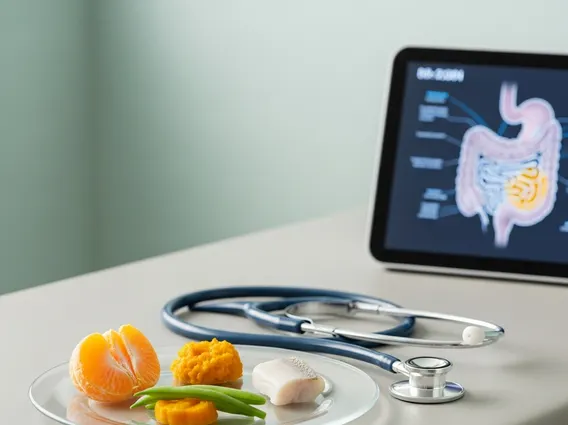
Key Takeaways
- Always follow a physician-prescribed diet for bowel obstruction, as dietary needs vary based on the obstruction’s severity and type.
- Prioritize a low-fiber, easily digestible diet to minimize bowel irritation and facilitate passage.
- Maintain excellent hydration with clear fluids, especially when solid food intake is restricted.
- Strictly avoid high-fiber, gas-producing foods, and large meals to prevent worsening symptoms.
- A liquid diet for bowel obstruction is often the initial step, gradually progressing under medical supervision.
Essential Nutrition Tips for Bowel Obstruction
A bowel obstruction, whether partial or complete, significantly impacts the digestive system’s ability to process food. Therefore, modifying one’s diet is not just recommended but essential for management and recovery. The primary goal of nutrition tips for bowel obstruction is to reduce the workload on the compromised bowel, allowing it to rest and potentially resolve the blockage.
Initial Dietary Approach
Upon diagnosis, the initial approach to a diet for bowel obstruction is typically very restrictive. This often involves a period of bowel rest, meaning no food or drink by mouth, especially in cases of complete obstruction. For partial obstructions, a carefully managed diet can help. The specific dietary plan will be tailored by healthcare professionals based on the obstruction’s location, cause, and severity. Adhering strictly to these initial bowel obstruction dietary guidelines is paramount to prevent further complications like bowel perforation or ischemia.
Importance of Hydration
Maintaining adequate hydration is critical, particularly when solid food intake is limited or absent. Dehydration can exacerbate symptoms and lead to further complications. Patients are often encouraged to consume clear fluids, once permitted, to replenish electrolytes and support overall bodily functions. Intravenous fluids may be necessary in severe cases or when oral intake is not possible, ensuring the body receives essential fluids and nutrients.
Safe Foods During Bowel Obstruction
Once a physician determines that oral intake is safe, the focus shifts to introducing foods to eat with bowel obstruction that are gentle on the digestive system. The aim is to provide necessary nutrients without stimulating excessive bowel activity or producing large amounts of stool.
Low-Fiber and Easily Digestible Options
A low-fiber diet is crucial because fiber adds bulk to stool, which can worsen an obstruction. Easily digestible foods minimize the effort required by the digestive tract. Here are some examples:
- Refined Grains: White bread, white rice, plain pasta, and crackers made from refined flour. These are processed to remove most of their fiber content.
- Lean Proteins: Skinless chicken, turkey, fish, and eggs. These provide essential amino acids without being difficult to digest.
- Cooked Vegetables (Peeled and Seedless): Well-cooked carrots, green beans, spinach, and potatoes (without skin). Cooking softens the fibers, making them less irritating.
- Canned or Cooked Fruits (Peeled and Seedless): Applesauce, ripe bananas, and melon without seeds. These offer vitamins and minerals in an easily consumable form.
- Clear Broths: Chicken or vegetable broth provides hydration and some electrolytes without solids.
These options form the foundation of a safe and effective diet for bowel obstruction, helping to manage symptoms while providing essential nourishment.
Foods to Avoid with Bowel Obstruction
Just as important as knowing what to eat is understanding what to avoid with bowel obstruction. Certain foods can aggravate the condition, increase discomfort, and potentially worsen the blockage. The general principle is to steer clear of anything that is difficult to digest, high in fiber, or known to produce gas.
High-Fiber and Gas-Producing Items
Avoiding these foods is a critical part of bowel obstruction dietary guidelines:
- High-Fiber Foods: Whole grains (brown rice, whole wheat bread, oats), nuts, seeds, legumes (beans, lentils), and raw fruits and vegetables with skins or seeds. These can add bulk and contribute to blockages.
- Gas-Producing Foods: Carbonated beverages, broccoli, cabbage, onions, and spicy foods. These can cause bloating and discomfort, putting additional pressure on the bowel.
- Fatty and Fried Foods: These are harder to digest and can slow down gastric emptying, potentially worsening symptoms.
- Tough Meats: Red meats and other tough cuts can be difficult to break down and may contribute to a blockage.
By eliminating these items, patients can significantly reduce the risk of exacerbating their condition and promote a smoother recovery process.
Implementing a Liquid Diet for Bowel Obstruction
A liquid diet for bowel obstruction is often the initial and most crucial phase of dietary management, especially when the bowel needs maximal rest. This approach minimizes the amount of solid waste passing through the digestive tract, thereby reducing strain on the obstructed area.
Clear Liquid Phase and Progression
The first stage is typically a clear liquid diet, which includes liquids that are transparent and leave no residue in the digestive tract. Examples include water, clear broths, apple juice (without pulp), clear sports drinks, and gelatin. This phase provides hydration and some electrolytes without stimulating significant bowel activity. As the condition improves and under strict medical guidance, the diet may progress to a full liquid diet, which includes all clear liquids plus milk, cream soups, strained fruit juices, and nutritional supplement drinks. Further progression involves soft, low-fiber foods before gradually reintroducing a more varied diet. This careful, step-by-step approach is essential to prevent recurrence of symptoms and ensure the bowel can handle increasing food consistency.
Ongoing Nutrition Advice for Bowel Blockage
Managing a bowel obstruction extends beyond the immediate crisis; long-term nutrition advice for bowel blockage is vital for preventing future episodes and maintaining digestive health. This involves adopting sustainable eating habits and being mindful of how food affects the body.
Meal Frequency and Preparation
Instead of three large meals, consuming smaller, more frequent meals (e.g., 5-6 small meals a day) can be beneficial. This approach reduces the amount of food in the digestive system at any one time, making it easier to process. Proper food preparation is also key: cooking foods thoroughly, pureeing or mashing vegetables, and cutting food into small, manageable pieces can aid digestion. Chewing food slowly and thoroughly is equally important to ensure it is adequately broken down before reaching the stomach. Patients should also listen to their bodies and be aware of any discomfort or symptoms that arise after eating certain foods, adjusting their diet accordingly. Regular follow-ups with a healthcare provider or a registered dietitian can provide personalized nutrition advice for bowel blockage and help navigate dietary challenges.
Frequently Asked Questions
How long should I follow a restricted diet for bowel obstruction?
The duration of a restricted diet for bowel obstruction varies significantly based on the severity and resolution of the obstruction. Initially, a clear liquid diet may be prescribed for a few days. As symptoms improve, your doctor will guide you through a gradual reintroduction of full liquids, then soft, low-fiber foods. It’s crucial to follow your medical team’s instructions precisely, as premature introduction of certain foods can worsen the condition or cause a recurrence. Long-term dietary modifications may be necessary for those with chronic or recurrent obstructions.
What are the key differences between a clear liquid and a full liquid liquid diet for bowel obstruction?
A clear liquid diet consists of transparent liquids that leave no residue, such as water, clear broths, plain gelatin, and apple juice without pulp. Its primary purpose is hydration and bowel rest. A full liquid liquid diet for bowel obstruction is a progression from the clear liquid phase, including all clear liquids plus opaque liquids like milk, cream soups (strained), strained fruit juices, and nutritional supplement drinks. This diet provides more calories and nutrients but still avoids solid foods, preparing the digestive system for a gradual return to solid food intake.
Are there any specific supplements recommended as part of nutrition advice for bowel blockage?
While a balanced diet is always preferred, specific supplements may be recommended as part of nutrition advice for bowel blockage, especially if dietary restrictions lead to nutrient deficiencies. Multivitamins, vitamin B12, iron, or calcium might be considered, particularly during prolonged periods on liquid or highly restricted diets. However, it is imperative to consult your healthcare provider or a registered dietitian before taking any supplements, as some can contain fiber or ingredients that may exacerbate bowel obstruction symptoms. Personalized guidance ensures safe and effective nutritional support.



