
Nutrition Tips for Anemia
Anemia, particularly iron deficiency anemia, is a common condition where your blood lacks healthy red blood cells. These cells are crucial for carrying oxygen throughout your body. While medical treatment is essential, understanding and implementing effective Nutrition Tips for Anemia can significantly support recovery and management.
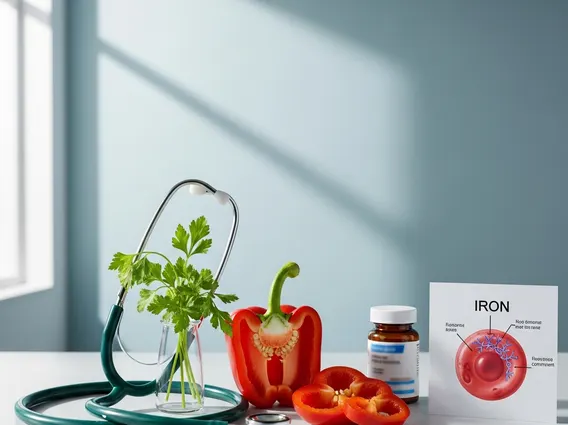
Key Takeaways
- Focus on consuming a variety of iron-rich foods for anemia, including both heme (animal-based) and non-heme (plant-based) sources.
- Pair iron-rich foods with vitamin C to significantly enhance iron absorption in the body.
- Be mindful of foods and drinks that inhibit iron absorption, such as calcium, tannins, and phytates, and consume them separately from iron-rich meals.
- A well-planned anemia nutrition guide emphasizes balanced meals and may include supplements under medical supervision.
- Regularly consult with healthcare professionals or a registered dietitian for personalized dietary recommendations for anemia.
Essential Nutrition Tips for Anemia
Understanding Iron Deficiency Anemia
Iron deficiency anemia is the most prevalent form of anemia globally, affecting an estimated 1.62 billion people, with iron deficiency being its primary cause, according to the World Health Organization (WHO). This condition arises when the body doesn’t have enough iron to produce hemoglobin, a protein in red blood cells that enables them to carry oxygen from the lungs to the rest of the body. Symptoms can range from fatigue and weakness to shortness of breath and pale skin. Addressing this deficiency often requires a multi-faceted approach, with dietary adjustments playing a pivotal role.
Why Diet Matters in Anemia Management
Diet is a cornerstone of managing and preventing iron deficiency anemia. The foods we consume directly influence our iron intake and the body’s ability to absorb this vital mineral. Without adequate dietary iron, the body cannot produce enough healthy red blood cells, exacerbating anemic symptoms. Therefore, adopting the best diet for iron deficiency anemia is not merely about eating more iron; it’s about optimizing nutrient absorption and overall nutritional status. Effective dietary recommendations for anemia focus on increasing iron intake, enhancing its absorption, and avoiding substances that hinder this process.
Top Iron-Rich Foods for Anemia
Incorporating a variety of iron-rich foods into your daily meals is paramount for managing anemia. Iron comes in two main forms: heme iron, found in animal products, and non-heme iron, primarily found in plant-based foods. Understanding the differences and combining them strategically can significantly boost your iron levels.
Heme Iron Sources for Better Absorption
Heme iron is highly bioavailable, meaning the body absorbs it more efficiently than non-heme iron. This makes animal-based products particularly effective foods to eat for anemia. Including these in your diet can quickly contribute to improving iron status.
- Red Meat: Beef, lamb, and venison are excellent sources of heme iron. A small serving can provide a significant portion of your daily iron needs.
- Poultry: Chicken and turkey, especially darker meat, contain good amounts of heme iron.
- Fish: Fatty fish like tuna, salmon, and sardines are not only rich in iron but also provide beneficial omega-3 fatty acids.
- Shellfish: Oysters, clams, and mussels are exceptionally high in heme iron, making them powerful additions to an anemia-friendly diet.
Plant-Based (Non-Heme) Iron Options
For those following vegetarian or vegan diets, or simply looking to diversify their iron sources, plant-based foods offer abundant non-heme iron. While non-heme iron is less readily absorbed, its absorption can be significantly enhanced when consumed with vitamin C-rich foods. These what foods help with anemia from plant sources are also packed with other essential nutrients.
- Legumes: Lentils, beans (kidney, black, chickpeas), and peas are versatile and iron-dense.
- Spinach and Other Dark Leafy Greens: Kale, collard greens, and Swiss chard are packed with iron, along with vitamins and antioxidants.
- Fortified Cereals: Many breakfast cereals are fortified with iron, offering an easy way to boost intake. Always check nutrition labels.
- Nuts and Seeds: Pumpkin seeds, sesame seeds, cashews, and almonds provide iron, healthy fats, and protein.
- Tofu and Tempeh: These soy-based products are excellent sources of non-heme iron, especially beneficial for plant-based diets.
Boosting Iron Absorption & Avoiding Inhibitors
Simply eating iron-rich foods for anemia is not always enough; how your body absorbs iron is equally crucial. Certain dietary components can either enhance or inhibit this process, making strategic food pairing vital for effective anemia management.
Vitamin C: Your Iron Absorption Ally
Vitamin C is a powerful enhancer of non-heme iron absorption. When consumed together, vitamin C converts non-heme iron into a form that is more easily absorbed by the body. This makes pairing plant-based iron sources with vitamin C-rich foods a key strategy in any anemia nutrition guide.
Excellent sources of vitamin C include:
- Citrus Fruits: Oranges, grapefruits, lemons.
- Berries: Strawberries, blueberries, raspberries.
- Bell Peppers: Especially red and yellow varieties.
- Tomatoes: Fresh or in sauces.
- Broccoli and Brussels Sprouts: Also provide fiber and other nutrients.
For example, you could enjoy a spinach salad with strawberries, or lentils with a side of bell peppers to maximize iron uptake.
Foods and Drinks That Inhibit Iron
Just as some foods boost iron absorption, others can hinder it. Being aware of these inhibitors and adjusting your consumption patterns can significantly improve your iron status. It’s not about eliminating them entirely, but rather consuming them separately from your main iron-rich meals.
- Calcium: Found in dairy products (milk, cheese, yogurt) and calcium-fortified foods, calcium can interfere with iron absorption. Try to consume calcium-rich foods a few hours apart from iron-rich meals.
- Phytates: Present in whole grains, legumes, and nuts, phytates can bind to iron and reduce its absorption. Soaking, sprouting, or fermenting these foods can help reduce phytate content.
- Tannins: Found in tea (especially black tea), coffee, and some wines, tannins can significantly inhibit iron absorption. It’s advisable to avoid these beverages during or immediately after iron-rich meals.
- Oxalates: Present in foods like spinach, rhubarb, and chocolate, oxalates can also bind to iron. While spinach is an iron source, its oxalate content means pairing it with vitamin C is even more crucial.
Crafting Your Anemia Nutrition Guide
Developing a comprehensive anemia nutrition guide involves more than just knowing which foods to eat; it requires planning meals, understanding portion sizes, and considering when supplements might be necessary. A well-structured approach ensures consistent iron intake and optimal absorption.
Sample Daily Meal Plan for Anemia
A balanced daily meal plan can help ensure you’re consistently getting enough iron and absorption enhancers. Here’s an example of dietary recommendations for anemia incorporated into a day:
| Meal | Food Items | Key Nutrients |
|---|---|---|
| Breakfast | Fortified oatmeal with sliced strawberries and a handful of pumpkin seeds. | Non-heme iron, Vitamin C, Zinc |
| Lunch | Lentil soup with a whole-wheat roll and a side salad with bell peppers and a lemon-based dressing. | Non-heme iron, Vitamin C, Fiber |
| Snack | Orange slices with a small handful of almonds. | Vitamin C, Non-heme iron, Healthy fats |
| Dinner | Lean beef stir-fry with broccoli, kale, and brown rice. | Heme iron, Non-heme iron, Vitamin C, Fiber |
This sample plan demonstrates how to combine various iron sources with vitamin C throughout the day while keeping inhibitors in mind. Remember to hydrate with water between meals rather than tea or coffee.
Anemia Supplements: When Are They Needed?
While a diet rich in foods to eat for anemia is crucial, sometimes dietary intake alone is insufficient to correct an iron deficiency, especially in severe cases or when absorption is compromised. In such situations, iron supplements may be necessary. However, it is vital to take iron supplements only under the guidance of a healthcare professional. Self-prescribing can lead to iron overload, which can be harmful to the body. Your doctor will determine the appropriate dosage and duration based on your specific iron levels and overall health status. They may also recommend specific forms of iron, such as ferrous sulfate, which is commonly prescribed due to its effectiveness.
Frequently Asked Questions
Can I reverse anemia solely through diet?
For mild cases of iron deficiency anemia, dietary changes can be very effective in improving iron levels. Consistently incorporating iron-rich foods for anemia and optimizing absorption with vitamin C can make a significant difference. However, for moderate to severe anemia, or if there’s an underlying cause like chronic blood loss, diet alone may not be sufficient. It’s crucial to consult a healthcare professional for diagnosis and a comprehensive treatment plan, which may include supplements alongside dietary adjustments.
How long does it take to see improvements from dietary changes?
The time it takes to see improvements from dietary changes can vary depending on the severity of the anemia, individual absorption rates, and consistency of the new diet. Generally, it might take several weeks to a few months to notice significant changes in energy levels and other symptoms, and for blood tests to reflect improved iron stores. Regular follow-ups with your doctor are essential to monitor your progress and adjust your anemia nutrition guide as needed.
Are there any specific cooking methods that help with iron absorption?
While cooking methods don’t directly enhance iron absorption in the same way vitamin C does, certain practices can help preserve nutrient content. For example, steaming or lightly sautéing vegetables helps retain their vitamin C, which in turn supports non-heme iron absorption. Using cast-iron cookware can also subtly increase the iron content of your food, particularly acidic dishes. However, the primary focus should remain on combining what foods help with anemia with absorption enhancers.



