Nucleotide
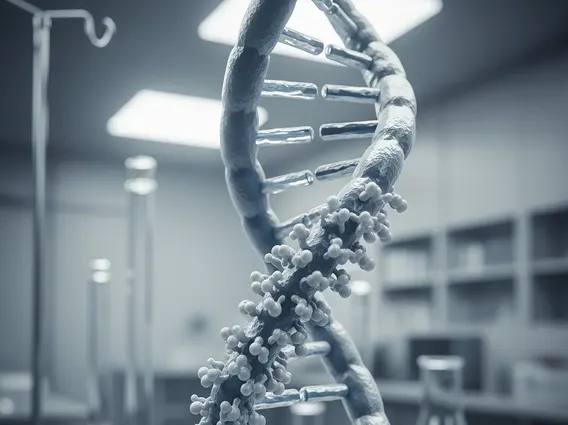
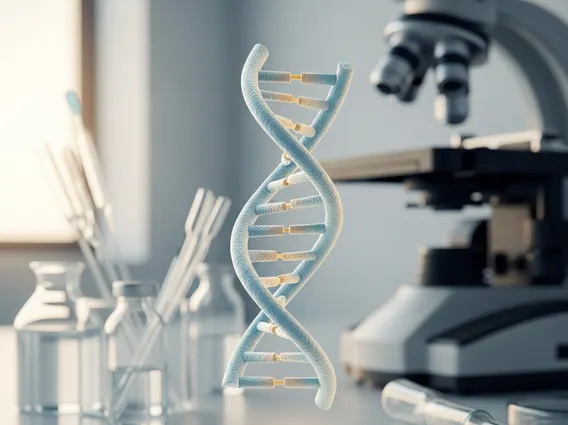
A Nucleotide is a fundamental organic molecule that plays a pivotal role in all known forms of life, serving as the basic building block of nucleic acids, DNA and RNA.
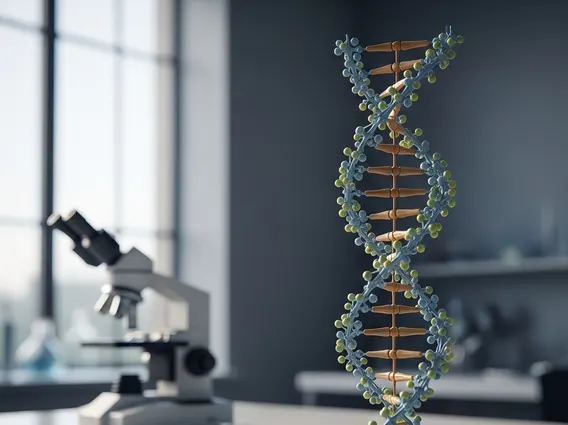
Key Takeaways
- Nucleotides are essential organic molecules composed of a nitrogenous base, a five-carbon sugar, and one or more phosphate groups.
- They are the monomer units that link together to form the long chains of deoxyribonucleic acid (DNA) and ribonucleic acid (RNA).
- Beyond their role in genetics, nucleotides are crucial for energy transfer, metabolic regulation, and cell signaling.
- Key examples include adenosine triphosphate (ATP), the primary energy currency of the cell, and the building blocks of DNA and RNA.
What is a Nucleotide?
A Nucleotide is a complex organic molecule that serves as the fundamental building block, or monomer, of nucleic acids such as deoxyribonucleic acid (DNA) and ribonucleic acid (RNA). These molecules are indispensable for storing and transmitting genetic information across generations. Beyond their role in genetics, nucleotides participate in a wide array of cellular processes, including energy metabolism, enzyme activity, and cell signaling, making them central to virtually all biological functions.
Each nucleotide is composed of three distinct parts: a nitrogen-containing base, a five-carbon sugar (either deoxyribose or ribose), and one to three phosphate groups. The specific arrangement and chemical properties of these components dictate the nucleotide’s function, from forming the double helix of DNA to acting as an energy carrier within the cell.
Nucleotide Structure, Components, and Types
The intricate nucleotide structure and components are critical to their diverse biological roles. Each nucleotide consists of three primary parts: a nitrogenous base, a pentose (five-carbon) sugar, and one or more phosphate groups. The nitrogenous bases are typically classified into two categories: purines (adenine and guanine) and pyrimidines (cytosine, thymine, and uracil). The pentose sugar is either deoxyribose in DNA or ribose in RNA, differing by the presence or absence of a hydroxyl group at the 2′ carbon. The phosphate group(s) are attached to the 5′ carbon of the sugar and provide the negative charge characteristic of nucleic acids.
The covalent bonding between these components forms the complete nucleotide. The nitrogenous base is linked to the 1′ carbon of the sugar, forming a nucleoside. The addition of one or more phosphate groups to the 5′ carbon of the nucleoside then completes the nucleotide. The specific combination of these elements gives rise to various types of nucleotides and examples, each with specialized functions.
Here is a comparison of the key components in DNA and RNA nucleotides:
| Component | DNA Nucleotide | RNA Nucleotide |
|---|---|---|
| Sugar | Deoxyribose | Ribose |
| Purine Bases | Adenine (A), Guanine (G) | Adenine (A), Guanine (G) |
| Pyrimidine Bases | Cytosine (C), Thymine (T) | Cytosine (C), Uracil (U) |
| Phosphate Groups | One, two, or three | One, two, or three |
Functions and Biological Importance of Nucleotides
The diverse roles of nucleotides underscore what are nucleotides and their function in maintaining life. Their most well-known function is as the building blocks of DNA and RNA, serving as the carriers of genetic information. DNA stores the blueprint for all cellular activities, while RNA is involved in expressing this genetic information through protein synthesis. This fundamental role in heredity and gene expression highlights the profound importance of nucleotides in biology.
Beyond their genetic functions, nucleotides are indispensable for several other vital biological processes. For instance, adenosine triphosphate (ATP) is the primary energy currency of the cell, facilitating almost all energy-requiring processes from muscle contraction to active transport. Other nucleotides act as coenzymes, such as nicotinamide adenine dinucleotide (NAD+) and flavin adenine dinucleotide (FAD), which are crucial electron carriers in metabolic pathways like cellular respiration. They also play significant roles in cell signaling, with molecules like cyclic AMP (cAMP) acting as secondary messengers that relay signals from outside the cell to internal cellular machinery, influencing a wide range of cellular responses.
In summary, the functions of nucleotides are multifaceted and include:
- Storing and transmitting genetic information (DNA and RNA).
- Serving as the primary energy currency of the cell (ATP).
- Acting as coenzymes in metabolic reactions (e.g., NAD+, FAD).
- Mediating cellular signaling pathways (e.g., cAMP, cGMP).
- Participating in the regulation of enzyme activity and cellular processes.
These varied roles collectively demonstrate why nucleotides are considered essential molecules for the existence and proper functioning of all living organisms.