Nuclear Grade
In the realm of medicine, Nuclear Grade refers to a stringent classification for materials and components used in nuclear medicine and related clinical applications. This designation ensures the highest levels of purity, quality, and safety essential for diagnostic and therapeutic procedures involving radioactive substances.

Key Takeaways
- Nuclear Grade materials meet exceptionally high standards of purity and quality for medical use.
- These materials are crucial for patient safety and the accuracy of nuclear medicine procedures.
- Stringent regulatory standards govern the production and use of Nuclear Grade substances.
- Applications primarily include radiopharmaceutical production, diagnostic imaging, and radiation therapy.
What is Nuclear Grade Material?
Nuclear Grade material is a specialized classification given to substances and components that are specifically manufactured and tested for use in medical applications involving radioactivity. This classification signifies that the material possesses an exceptionally high degree of purity, precise isotopic composition, and minimal levels of impurities that could interfere with sensitive diagnostic equipment or patient safety. The primary concern is to prevent adverse reactions, ensure accurate imaging results, and maintain the integrity of radiopharmaceuticals.
The nuclear grade definition encompasses not only the chemical purity but also the radiological purity, meaning the absence of unwanted radionuclides that could contribute to unnecessary radiation exposure or compromise the diagnostic signal. For instance, in the production of radiopharmaceuticals used for Positron Emission Tomography (PET) or Single-Photon Emission Computed Tomography (SPECT) scans, the raw materials and components must be free from contaminants that could alter the biodistribution of the tracer or reduce its effectiveness. This meticulous attention to detail is paramount in clinical settings where patient well-being and diagnostic accuracy are critical.
Standards and Specifications for Nuclear Grade
The production and handling of materials designated as nuclear grade standards are governed by rigorous regulatory frameworks and pharmacopeial specifications to ensure their suitability for medical use. These standards are often set by national and international bodies, such as the United States Pharmacopeia (USP), European Pharmacopoeia (EP), and regulatory agencies like the U.S. Food and Drug Administration (FDA) or European Medicines Agency (EMA).
Key aspects addressed by these standards include:
- Chemical Purity: Limits on trace elements and other chemical impurities that could react with radionuclides or affect biological processes.
- Radionuclidic Purity: Strict controls on the presence of unwanted radioactive isotopes that could contribute to background radiation or alter imaging results.
- Sterility: Requirement for materials to be free from microorganisms, particularly for injectable radiopharmaceuticals.
- Pyrogenicity: Absence of pyrogens (fever-inducing substances) to prevent adverse reactions in patients.
- Physical Properties: Specifications for physical form, solubility, and stability to ensure consistent performance.
Adherence to these specifications is verified through extensive quality control testing at various stages of manufacturing, from raw material sourcing to final product formulation. This comprehensive approach ensures that every component meets the exacting requirements necessary for safe and effective nuclear medicine procedures.
Applications of Nuclear Grade Materials
The applications of nuclear grade materials are central to various facets of modern medical diagnostics and therapy, particularly within nuclear medicine. These specialized materials enable clinicians to visualize physiological processes, detect diseases at early stages, and deliver targeted treatments with precision. Their high purity and controlled characteristics are indispensable for the efficacy and safety of these advanced medical interventions.
Primary applications include:
| Application Area | Role of Nuclear Grade Materials |
|---|---|
| Radiopharmaceutical Production | As precursors or components for synthesizing diagnostic and therapeutic radiopharmaceuticals (e.g., for PET, SPECT scans, or targeted radionuclide therapy). |
| Diagnostic Imaging | Used in the creation of imaging agents that allow for detailed visualization of organs, tumors, and metabolic activity within the body. |
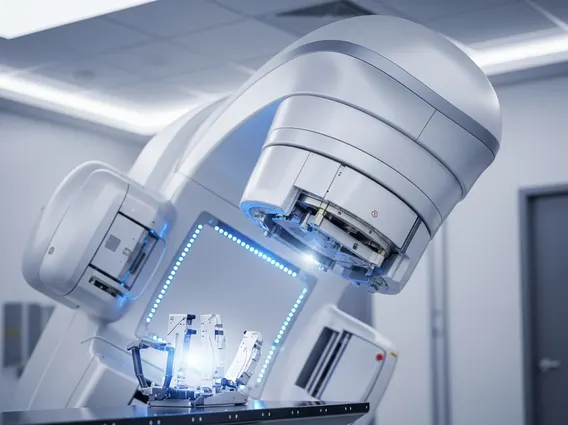
| Radiation Therapy Devices | Components within devices that deliver precise doses of radiation for cancer treatment, ensuring accuracy and minimizing collateral damage. |
| Research and Development | Essential for developing new radiotracers and nuclear medicine techniques, where purity and consistency are critical for experimental validity. |
By providing materials with unparalleled purity and predictable behavior, Nuclear Grade substances play a vital role in advancing patient care, enabling accurate diagnoses of conditions like cancer, heart disease, and neurological disorders, and facilitating effective, targeted therapeutic interventions.