Neurobehavioral
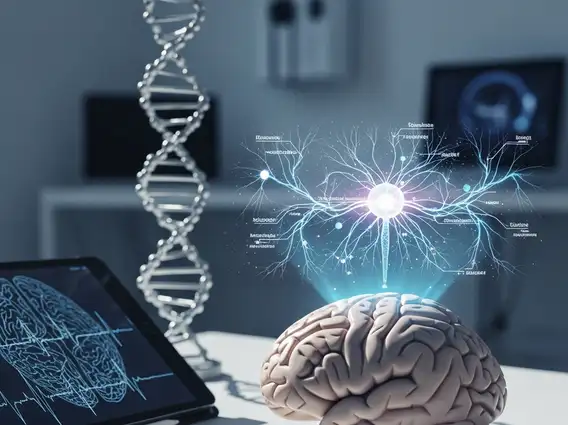
Neurobehavioral refers to the intricate relationship between the brain and behavior, encompassing how neurological processes influence our actions, thoughts, and emotions. Understanding this field is crucial for diagnosing and managing conditions that affect both brain function and observable behavior.
Key Takeaways
- Neurobehavioral science explores the complex connections between the brain and behavior, integrating neuroscience, psychology, and psychiatry.
- Recognizing neurobehavioral symptoms involves observing changes in cognitive function, emotional regulation, and social interaction.
- Causes of neurobehavioral issues can range from genetic predispositions and developmental factors to brain injuries, infections, and neurodegenerative diseases.
- Comprehensive neurobehavioral assessment methods are essential for accurate diagnosis, involving clinical interviews, neurological exams, and standardized tests.
- Early identification and intervention are key to improving outcomes for individuals experiencing neurobehavioral challenges.
What is Neurobehavioral Science?
What is neurobehavioral science is an interdisciplinary field dedicated to understanding the biological bases of behavior. It integrates principles from neuroscience, psychology, and psychiatry to investigate how brain structure, function, and chemistry influence cognitive processes, emotional responses, and observable actions. This field explores everything from basic sensory perception and motor control to complex functions like memory, language, and social cognition.
The study of neurobehavioral science is vital for comprehending a wide array of human experiences, both typical and atypical. It provides the framework for understanding how the brain develops, adapts, and responds to various internal and external stimuli throughout a person’s life. Furthermore, it delves into the underlying mechanisms of various conditions, helping to identify the causes of neurobehavioral issues, which can stem from genetic factors, developmental abnormalities, traumatic brain injuries, infections, exposure to toxins, or neurodegenerative diseases. For instance, conditions like Alzheimer’s disease or stroke can lead to significant neurobehavioral changes due to specific brain damage.
Recognizing Neurobehavioral Symptoms
Recognizing neurobehavioral disorders symptoms is a critical step towards diagnosis and intervention. These symptoms can manifest in diverse ways, affecting an individual’s cognitive abilities, emotional regulation, and social interactions. They often represent a deviation from a person’s typical functioning and can significantly impact daily life.
Common categories of neurobehavioral symptoms include:
- Cognitive Changes: Difficulties with memory (e.g., forgetting recent events), attention (e.g., trouble focusing), executive function (e.g., problems with planning or problem-solving), and language (e.g., word-finding difficulties or impaired comprehension).
- Emotional and Mood Disturbances: Increased irritability, sudden mood swings, persistent sadness or apathy, anxiety, or uncharacteristic emotional outbursts.
- Behavioral Alterations: Changes in personality, impulsivity, aggression, social withdrawal, repetitive behaviors, or disinhibition.
- Motor Function Impairments: Tremors, coordination problems, gait disturbances, or difficulties with fine motor skills.
The presentation of these symptoms can vary greatly depending on the underlying cause and the specific brain regions affected. For example, a person with frontal lobe damage might exhibit significant personality changes and impulsivity, while someone with temporal lobe epilepsy might experience memory issues and emotional lability. Early recognition by family members, caregivers, or healthcare professionals is crucial for timely evaluation.
Neurobehavioral Assessment Methods
Accurate diagnosis of neurobehavioral conditions relies on comprehensive neurobehavioral assessment methods. These methods are designed to systematically evaluate an individual’s cognitive, emotional, and behavioral functioning, providing a detailed profile of their strengths and weaknesses. The assessment process typically involves a multi-faceted approach, combining clinical interviews, neurological examinations, and standardized psychometric tests.
Here’s a breakdown of common assessment components:
| Assessment Method | Description and Purpose |
|---|---|
| Clinical Interview | Gathers detailed history from the patient and family regarding symptoms, medical history, developmental milestones, and functional impact. Essential for understanding the symptom timeline and context. |
| Neurological Examination | Evaluates sensory and motor skills, reflexes, coordination, balance, and cranial nerve function to identify signs of neurological impairment. |
| Neuropsychological Testing | Administers standardized tests to measure specific cognitive domains such as memory, attention, language, executive function, and visuospatial skills. These tests compare an individual’s performance to age-matched norms. |
| Behavioral Observation | Directly observes the patient’s behavior in various settings to assess social interactions, emotional responses, and adaptive functioning. |
| Imaging Studies | Techniques like MRI, CT, or PET scans may be used to visualize brain structure and function, helping to identify lesions, atrophy, or metabolic abnormalities. |
These assessments help clinicians differentiate between various neurobehavioral disorders, track disease progression, and formulate individualized treatment plans. For instance, neuropsychological testing can objectively quantify cognitive deficits, which might not be apparent during a routine clinical interview. The integration of these methods provides a holistic view, enabling a more precise understanding of the brain-behavior relationship in each patient. According to the World Health Organization (WHO), neurological disorders are a leading cause of disability and ill health worldwide, underscoring the importance of robust diagnostic tools.