
Neuro Oncologist
A Neuro Oncologist is a highly specialized medical professional dedicated to the diagnosis, treatment, and management of tumors affecting the brain, spinal cord, and associated nervous system structures. This field combines the complexities of neurology and oncology to provide comprehensive care for patients facing challenging neurological cancers.
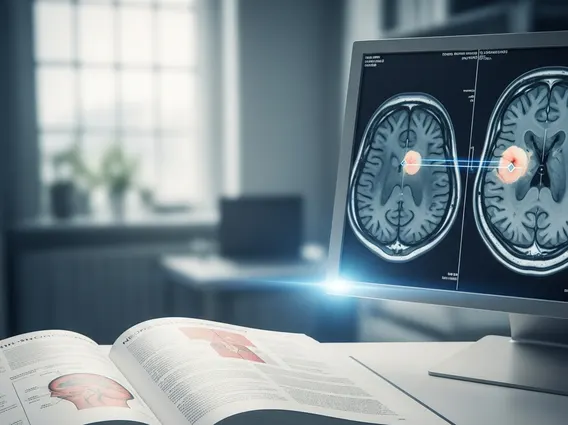
Key Takeaways
- A Neuro Oncologist specializes in brain and spinal cord tumors, integrating neurology and oncology expertise.
- Their role encompasses diagnosis, personalized treatment planning, symptom management, and follow-up care.
- Treatment often involves a multidisciplinary approach, including surgery, radiation, and chemotherapy.
- Becoming a Neuro Oncologist requires extensive education: medical school, residency in neurology or oncology, and a specialized neuro-oncology fellowship.
- They are crucial in improving outcomes and quality of life for patients with central nervous system cancers.
What is a Neuro Oncologist?
A Neuro Oncologist is a physician who specializes in the diagnosis, treatment, and management of cancers that originate in or spread to the brain and spinal cord. This medical discipline, where neuro oncology explained involves understanding both neurological function and cancer biology, addresses a wide range of conditions from primary brain tumors like gliomas and meningiomas to metastatic tumors that have spread from other parts of the body. They also manage neurological complications arising from cancer treatments or the cancer itself, such as seizures, cognitive changes, and nerve pain.
The field requires a deep understanding of the intricate anatomy and physiology of the central nervous system, as well as the latest advancements in cancer therapies. According to the American Cancer Society, an estimated 25,400 adults are diagnosed with primary cancerous tumors of the brain and spinal cord annually in the United States, highlighting the critical need for specialized care in this area.
Roles and Responsibilities of a Neuro Oncologist
The neuro oncologist job description is multifaceted, involving a broad spectrum of clinical duties aimed at providing comprehensive care for patients with central nervous system cancers. These specialists work as part of a multidisciplinary team, collaborating closely with neurosurgeons, radiation oncologists, neuropathologists, and other healthcare professionals to develop individualized treatment plans. Their primary responsibilities include:
- Diagnosis: Interpreting neuroimaging (MRI, CT scans), performing neurological examinations, and coordinating biopsies to accurately identify tumor types and characteristics.
- Treatment Planning: Developing and overseeing treatment strategies that may include chemotherapy, targeted therapies, immunotherapy, and managing the timing and integration of surgery and radiation therapy.
- Symptom Management: Addressing neurological symptoms such as headaches, seizures, cognitive impairment, and motor deficits, often prescribing medications to improve quality of life.
- Monitoring and Follow-up: Continuously monitoring patient progress, managing side effects of treatment, and providing long-term follow-up care to detect recurrence or new complications.
- Clinical Trials: Offering patients access to cutting-edge treatments through participation in clinical research studies.
Neuro Oncologists play a pivotal role in guiding patients and their families through the complex journey of cancer treatment, offering both medical expertise and compassionate support.
Becoming a Neuro Oncologist: Education and Training
The path to becoming a Neuro Oncologist is rigorous and extensive, demanding many years of specialized education and training. It typically involves:
- Undergraduate Education: Earning a bachelor’s degree, often with a focus on pre-medical sciences.
- Medical School: Completing four years of medical school to obtain a Doctor of Medicine (MD) or Doctor of Osteopathic Medicine (DO) degree.
- Residency Training: Undertaking a residency program, typically lasting three to four years, in either Neurology or Medical Oncology. This foundational training provides a deep understanding of either the nervous system or cancer treatment.
- Neuro-Oncology Fellowship: After residency, aspiring Neuro Oncologists complete a specialized fellowship in Neuro-Oncology, which usually lasts one to two years. This fellowship provides intensive training in the specific diagnosis and management of brain and spinal cord tumors, advanced neuroimaging, neuropathology, and clinical trials in neuro-oncology.
- Board Certification: Obtaining board certification in Neurology or Medical Oncology, and often additional certification in Neuro-Oncology, demonstrating expertise and commitment to the field.
This comprehensive training ensures that Neuro Oncologists possess the unique skill set required to navigate the complexities of neurological cancers and provide optimal care for their patients.



















