Nervous System
The Nervous System is an intricate network of nerves and cells that transmit signals between different parts of the body. It is the body’s primary control and communication system, responsible for everything we think, feel, and do.
Key Takeaways
- The Nervous System is the body’s command center, coordinating all voluntary and involuntary actions.
- It is fundamentally divided into the Central Nervous System (CNS) and the Peripheral Nervous System (PNS).
- The CNS comprises the brain and spinal cord, acting as the main processing unit.
- The PNS extends throughout the body, connecting the CNS to organs, limbs, and skin.
- This system works by transmitting electrical and chemical signals, allowing for rapid communication and response to stimuli.
What is the Nervous System?
The Nervous System is a complex biological network that enables an organism to detect and respond to stimuli from its environment and within itself. It is essentially the body’s electrical wiring, allowing for communication between all its parts. This vital system is responsible for controlling all bodily functions, from breathing and digestion to movement, thought, and emotion.
The primary functions of the nervous system include sensory input, integration, and motor output. Sensory input involves gathering information from both internal and external environments through specialized receptors. Integration refers to the processing and interpretation of this sensory information by the brain and spinal cord. Finally, motor output involves sending signals from the brain and spinal cord to muscles and glands, prompting appropriate responses or actions.
Parts of the Nervous System
The Nervous System is broadly categorized into two main divisions: the Central Nervous System (CNS) and the Peripheral Nervous System (PNS). These two parts work together to coordinate and regulate all bodily activities.
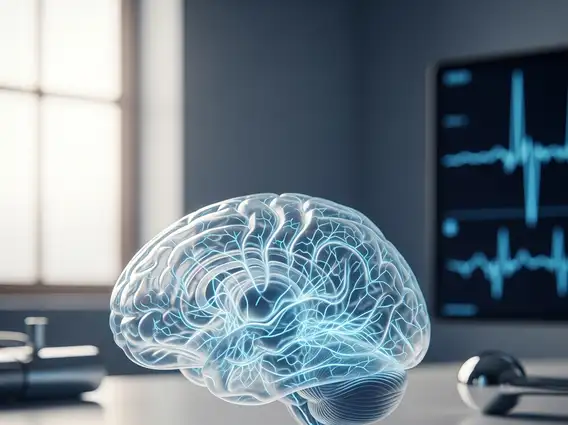
- Central Nervous System (CNS): This division consists of the brain and the spinal cord. The brain serves as the command center, processing information, making decisions, and initiating responses. The spinal cord acts as a crucial pathway for information flowing between the brain and the rest of the body, and it also mediates reflex actions.
- Peripheral Nervous System (PNS): The PNS comprises all the nerves that branch out from the brain and spinal cord to other parts of the body, including muscles, organs, and skin. It acts as a communication relay, carrying signals to and from the CNS. The PNS is further divided into the somatic nervous system (controlling voluntary movements and transmitting sensory information) and the autonomic nervous system (regulating involuntary bodily functions like heart rate, digestion, and breathing).
Understanding the distinct roles of these parts of the nervous system explained helps to grasp how the body maintains homeostasis and responds to various challenges.
How Does the Nervous System Work?
The Nervous System functions through the transmission of electrical and chemical signals via specialized cells called neurons. These neurons are the fundamental units of the nervous system, responsible for transmitting information throughout the body. Each neuron consists of a cell body, dendrites (which receive signals), and an axon (which transmits signals).
When a stimulus is detected, sensory neurons transmit an electrical impulse to the CNS. In the CNS, interneurons process this information, often involving complex computations in the brain. Once a decision or response is formulated, motor neurons carry signals from the CNS to target muscles or glands, initiating an action. This rapid communication allows the body to react almost instantaneously to changes, demonstrating precisely how does the nervous system work to maintain vital functions and enable interaction with the world.