Nephrostomy
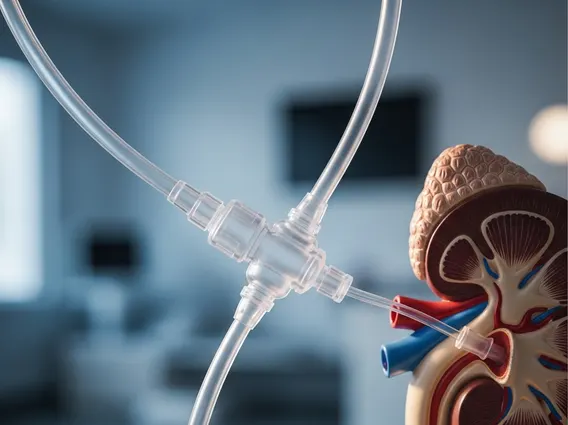
A nephrostomy is a medical procedure involving the creation of an artificial opening between the kidney and the skin. This intervention is crucial for draining urine directly from the kidney when the normal urinary tract is obstructed.
Key Takeaways
- A nephrostomy involves placing a tube through the skin into the kidney to drain urine, bypassing blockages.
- It is primarily performed to relieve urinary tract obstruction, often caused by kidney stones, tumors, or strictures.
- The procedure helps prevent kidney damage and manages symptoms like pain and infection.
- Proper care of the nephrostomy tube is essential to prevent complications such as infection or dislodgement.
- While generally safe, potential risks include bleeding, infection, and tube-related issues.
What is a Nephrostomy Procedure?
A nephrostomy refers to a medical procedure where a tube, known as a nephrostomy tube, is inserted through the skin and into the kidney to drain urine. This intervention is typically performed when there is a blockage in the ureter, the tube that carries urine from the kidney to the bladder, preventing normal urine flow. The primary goal of understanding nephrostomy surgery is to relieve pressure on the kidney, prevent damage, and manage symptoms such as pain, infection, or kidney failure.
Common reasons for needing a nephrostomy include kidney stones, tumors (within the kidney, ureter, or nearby organs like the bladder or prostate), strictures (narrowing) of the ureter, or injury to the urinary tract. By diverting urine directly from the kidney into an external drainage bag, the procedure helps restore kidney function and allows for the treatment of the underlying cause of the obstruction. According to the National Kidney Foundation, urinary tract obstructions are a significant cause of kidney damage, highlighting the importance of timely interventions like nephrostomy.
Nephrostomy Tube Placement and Care
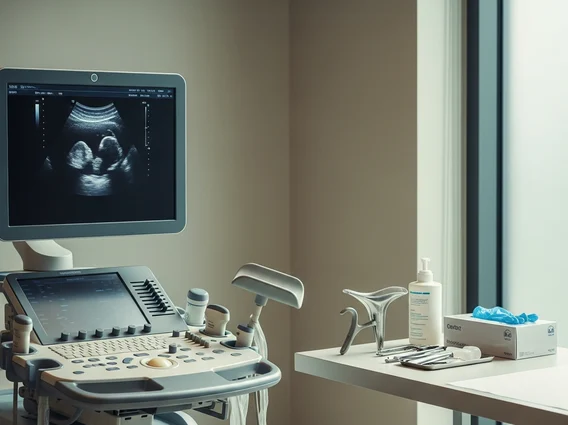
Nephrostomy tube placement and care involves a precise medical procedure followed by diligent management to ensure effectiveness and prevent complications. The placement typically occurs in an interventional radiology suite under local anesthesia, often with mild sedation. Using imaging guidance, such as ultrasound or fluoroscopy, a small incision is made in the skin on the back, and a needle is advanced into the kidney. A guidewire is then passed through the needle, and the nephrostomy tube is threaded over the guidewire into the kidney’s urine-collecting system. Once in place, the tube is secured to the skin and connected to a drainage bag.
Proper care of the nephrostomy tube at home is crucial for preventing infection and ensuring continuous drainage. Patients receive detailed instructions on how to manage their tube and drainage system. Key aspects of care include:
- Dressing Changes: The dressing around the tube site must be kept clean and dry. It should be changed regularly, as instructed by the healthcare provider, using sterile techniques to prevent infection.
- Drainage Bag Management: The drainage bag needs to be emptied frequently to prevent it from becoming too full, which can cause backflow or discomfort. The bag should also be cleaned or replaced according to medical advice.
- Tube Patency: It is vital to ensure the tube remains free of kinks or blockages to allow for uninterrupted urine flow. Any decrease in urine output or signs of leakage around the tube should be reported to a healthcare professional.
- Hygiene: Maintaining good personal hygiene, especially around the tube insertion site, is critical to minimize the risk of bacterial infection.
Patients are advised to monitor for signs of potential complications, such as fever, chills, increased pain, redness or swelling at the insertion site, or changes in urine color or odor. Prompt reporting of these symptoms can prevent serious health issues.
Nephrostomy Risks and Benefits
Like any medical procedure, a nephrostomy carries potential risks, although it is generally considered safe and effective when performed by experienced professionals. Understanding these risks helps patients make informed decisions and allows for early detection and management of complications. The primary benefits often outweigh the risks, especially in cases of severe urinary obstruction.
Potential risks associated with a nephrostomy include:
- Infection: The most common complication, which can occur at the insertion site or within the kidney (pyelonephritis).
- Bleeding: Minor bleeding around the tube is common, but significant hemorrhage requiring intervention is rare.
- Tube Dislodgement or Blockage: The tube can accidentally come out or become blocked, leading to urine leakage or renewed obstruction.
- Pain: Discomfort or pain at the insertion site is common, especially in the initial days following the procedure.
- Injury to Adjacent Organs: Although rare, there is a small risk of puncturing nearby organs during tube placement.
Despite these risks, the benefits of a nephrostomy are significant, particularly for individuals facing severe urinary tract obstruction. The main advantages include:
- Relief of Obstruction: Immediately drains urine, alleviating pressure on the kidney and preventing further damage.
- Pain Management: Reduces pain caused by kidney swelling and pressure from obstructed urine flow.
- Preservation of Kidney Function: By restoring urine drainage, it helps maintain or improve kidney function, preventing long-term kidney damage or failure.
- Treatment of Infection: Allows for drainage of infected urine, which can be life-saving in cases of obstructive pyelonephritis.
- Bridge to Definitive Treatment: Provides a temporary solution while the underlying cause of the obstruction is investigated and a more permanent treatment plan is developed.