Neoplasia
Neoplasia is a fundamental concept in medicine, particularly in oncology, referring to the uncontrolled, abnormal growth of cells. This article explores the nature of neoplasia, its various forms, underlying causes, and how it relates to other medical terms like “tumor.”
Key Takeaways
- Neoplasia is the abnormal, uncontrolled proliferation of cells, forming a new growth.
- It encompasses both benign (non-cancerous) and malignant (cancerous) conditions, each with distinct characteristics.
- Genetic mutations, environmental exposures, and lifestyle factors are primary contributors to its development.
- While all cancers are neoplasms, not all neoplasms are cancerous; a tumor is a visible mass, which may or may not be neoplastic.
What is Neoplasia? Understanding the Medical Term
Neoplasia refers to the uncontrolled, abnormal growth of cells that form a new mass of tissue. This growth is autonomous, meaning it persists even after the initial stimulus or cause is removed, and it is not coordinated with the growth of surrounding normal tissues. Understanding what is neoplasia medical term is crucial for comprehending various disease processes, especially cancer. It represents a fundamental deviation from normal cellular regulation, where cells lose their ability to respond to normal growth controls.
This abnormal cellular proliferation can occur in virtually any tissue or organ in the body. The resulting tissue mass, often referred to as a lesion, can vary significantly in size, shape, and behavior. While the term neoplasia is often associated with cancer, it is important to note that not all neoplastic growths are malignant; some are benign and do not spread to other parts of the body. The global burden of neoplastic diseases is substantial, with cancer being a leading cause of death worldwide. For instance, the World Health Organization (WHO) reported that cancer was responsible for nearly 10 million deaths in 2020, highlighting the critical impact of malignant neoplasia.
Types of Neoplasia, Characteristics, and Causes
Understanding the types of neoplasia and characteristics is essential for diagnosis and treatment. Neoplasms are broadly categorized into two main types: benign and malignant.
- Benign Neoplasms: These growths are typically localized and do not spread to other parts of the body. They usually grow slowly, are often encapsulated, and their cells closely resemble normal cells. While generally not life-threatening, they can cause problems if they grow large enough to compress vital organs or produce hormones. Examples include fibroids and lipomas.
- Malignant Neoplasms: Commonly known as cancer, these growths are characterized by aggressive, uncontrolled cell proliferation and the ability to invade surrounding tissues and metastasize (spread) to distant sites through the bloodstream or lymphatic system. Malignant cells often appear abnormal under a microscope, with irregular shapes, large nuclei, and rapid division rates. Their invasive nature makes them particularly dangerous.
The neoplasia causes and risk factors are complex and multifactorial, involving a combination of genetic predispositions and environmental exposures. Key factors include:
- Genetic Mutations: Changes in DNA, either inherited or acquired, can lead to uncontrolled cell growth. These mutations often affect oncogenes (which promote cell growth) and tumor suppressor genes (which inhibit cell growth).
- Chemical Carcinogens: Exposure to substances like tobacco smoke, asbestos, and certain industrial chemicals can damage DNA and initiate neoplastic transformation.
- Radiation: Ionizing radiation (e.g., X-rays, gamma rays) and ultraviolet (UV) radiation from sunlight can induce DNA damage, increasing cancer risk.
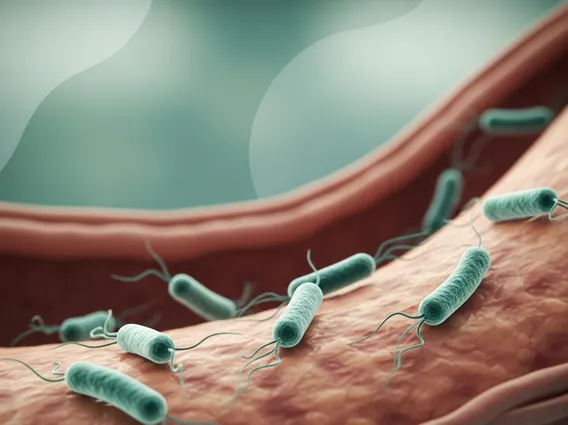
- Infections: Certain viruses (e.g., Human Papillomavirus (HPV), Hepatitis B and C viruses) and bacteria (e.g., Helicobacter pylori) are known to contribute to the development of specific types of cancer.
- Lifestyle Factors: Poor diet, lack of physical activity, obesity, and excessive alcohol consumption are significant risk factors for various neoplasms.
These factors often interact, collectively contributing to the development and progression of neoplastic diseases.
How Does Neoplasia Differ from a Tumor?
While the terms “neoplasia” and “tumor” are often used interchangeably in common parlance, there is a distinct medical difference between them. How does neoplasia differ from a tumor is a crucial question for precise medical understanding.
A tumor, in its broadest sense, simply refers to a swelling or a mass. It is a clinical sign that can be caused by various conditions, including inflammation, cysts, or fluid accumulation, not just abnormal cell growth. For example, a bruise can cause a swelling that might be referred to as a tumor in a non-medical context, or a benign cyst is a tumor.
In contrast, neoplasia specifically describes the process of abnormal, uncontrolled cell proliferation that results in a new growth of tissue. All true neoplasms form a mass, and therefore, all neoplasms can be considered tumors. However, not all tumors are neoplasms. A tumor is a physical manifestation, a palpable or visible lump, whereas neoplasia is the underlying biological process of abnormal cell growth. This distinction is vital for accurate diagnosis and appropriate medical management.