
Needling
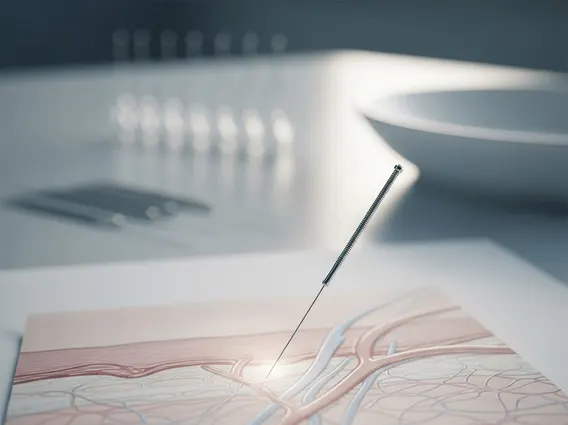
Needling is a dermatological procedure gaining recognition for its potential in skin rejuvenation. This technique involves creating controlled micro-injuries to stimulate the body’s natural healing processes.
Key Takeaways
- Needling is a minimally invasive dermatological procedure that uses fine needles to create micro-channels in the skin.
- It primarily works by stimulating collagen and elastin production, leading to improved skin texture and firmness.
- Benefits include reduction of scars, wrinkles, and hyperpigmentation, as well as enhanced product absorption.
- Common types of needling treatments include microneedling and radiofrequency microneedling.
- The procedure requires professional administration and proper aftercare for optimal results and to minimize risks.
What is Needling Procedure?
Needling refers to a dermatological procedure that involves creating microscopic punctures in the skin using fine needles. This minimally invasive technique is designed to trigger the body’s natural wound healing response, which in turn stimulates the production of collagen and elastin. The controlled micro-injuries do not damage the epidermis but rather create tiny channels that promote skin regeneration. This process is often performed using specialized devices such as derma-rollers or automated microneedling pens, allowing for precise control over needle depth and penetration. The primary goal of a needling procedure is to improve various skin concerns, ranging from texture and tone to the appearance of scars and wrinkles. It is a versatile treatment that can be applied to different areas of the body, though it is most commonly performed on the face.
How Needling Works for Collagen and Skin Benefits
The efficacy of needling largely stems from its ability to induce collagen synthesis. When the skin experiences these controlled micro-injuries, it initiates a cascade of healing factors. These factors signal the body to produce new collagen and elastin fibers, which are crucial proteins for maintaining skin structure, elasticity, and firmness. Over time, this increased production helps to remodel the skin, leading to a smoother, firmer, and more youthful appearance. The micro-channels also enhance the absorption of topical serums and active ingredients, allowing them to penetrate deeper into the skin and deliver their benefits more effectively.
The benefits for skin are extensive and can address a variety of dermatological concerns. These include:
- Reduction in the appearance of fine lines and wrinkles.
- Improvement in skin texture and tone.
- Minimization of acne scars and other types of superficial scarring.
- Decrease in hyperpigmentation, such as sun spots and melasma.
- Increased skin firmness and elasticity.
- Reduction in pore size.
The mechanism involves three main phases: inflammation, proliferation, and remodeling. Initially, the micro-injuries cause a mild inflammatory response, drawing growth factors to the treated area. The proliferation phase then sees the production of new skin cells, collagen, and elastin. Finally, during the remodeling phase, the newly formed collagen matures and tightens, leading to long-term improvements in skin quality.
Types of Needling Treatments
Several types of needling treatments are available, each utilizing slightly different technologies or approaches to achieve similar skin rejuvenation goals. The most common forms include:
- Microneedling: This is the foundational needling technique, typically performed with a derma-roller or an automated pen device. It creates superficial micro-channels to stimulate collagen production and improve skin texture. Sessions usually last between 30 to 60 minutes, with multiple treatments recommended for optimal results.
- Radiofrequency (RF) Microneedling: This advanced technique combines traditional microneedling with radiofrequency energy. The needles deliver RF energy directly into the deeper layers of the skin, heating the tissue. This thermal energy further enhances collagen and elastin production, leading to more significant skin tightening and scar reduction compared to conventional microneedling.
- Dermaplaning (often combined with Needling): While not a needling treatment itself, dermaplaning is a physical exfoliation method that removes dead skin cells and vellus hair. It is sometimes performed before a needling procedure to enhance the penetration of active ingredients and improve overall results. However, it’s important to note that dermaplaning does not involve needles.
It is crucial to consult with a qualified dermatologist or skincare professional to determine the most appropriate type of needling treatment for individual skin concerns and to ensure the procedure is performed safely and effectively.



















