Needle Biopsy
A Needle Biopsy is a common medical procedure used to collect tissue or fluid samples from the body for examination under a microscope. This diagnostic tool is crucial for identifying various conditions, particularly in the detection and staging of cancers.
Key Takeaways
- A Needle Biopsy is a definitive diagnostic procedure to obtain tissue samples for microscopic analysis.
- It is primarily performed to diagnose cancer, infections, or inflammatory conditions in suspicious areas.
- The procedure involves using a thin needle to extract tissue, often guided by imaging techniques.
- While generally safe, potential risks include bleeding, infection, and discomfort.
- Understanding the results is vital for accurate diagnosis and subsequent treatment planning.
What is a Needle Biopsy and Why is it Performed?
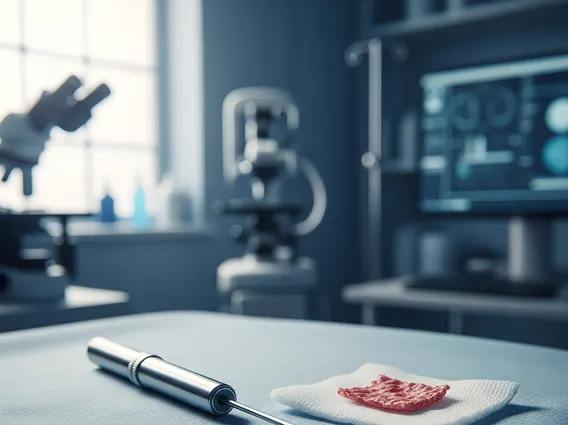
A Needle Biopsy is a medical procedure that involves extracting a small sample of tissue or fluid from a suspicious area in the body using a specialized needle. This sample is then sent to a pathology laboratory for microscopic analysis. The primary purpose of this diagnostic tool is to determine the presence of abnormal cells, such as those indicative of cancer, infection, or inflammatory diseases. It provides a definitive diagnosis that often cannot be achieved through imaging tests alone.
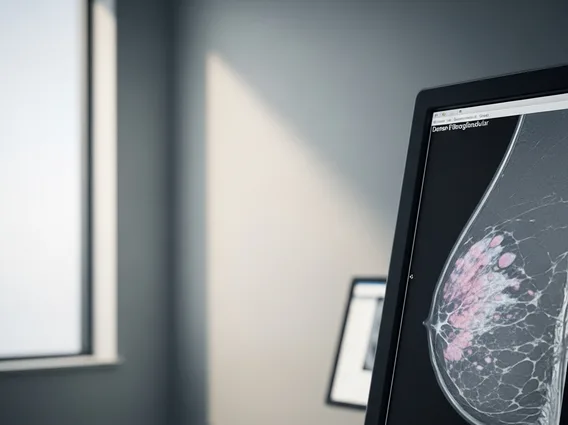
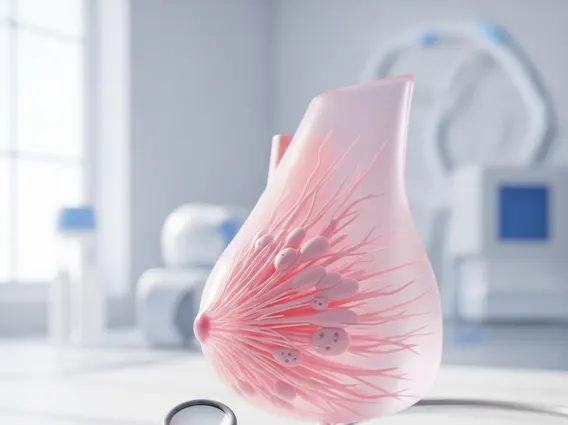
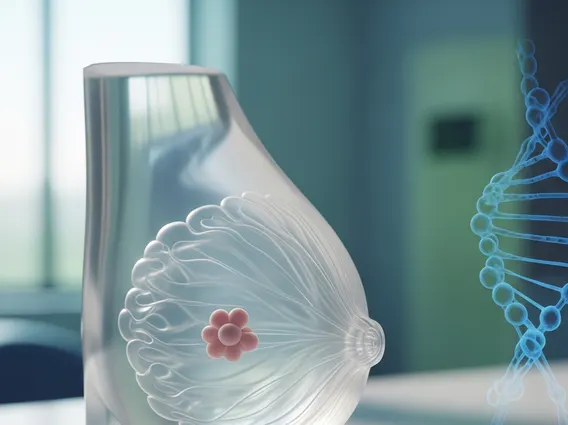
The procedure is performed when imaging tests, such as X-rays, CT scans, MRIs, or ultrasounds, reveal an abnormality like a lump, mass, or suspicious area that requires further investigation. For instance, if a mammogram shows a suspicious breast lump, a needle biopsy can confirm whether it is benign or malignant. According to the American Cancer Society, biopsies are the only definitive way to diagnose most cancers, making them an indispensable part of oncology.
How is a Needle Biopsy Performed?
The method for how a needle biopsy is performed varies depending on the location of the suspicious tissue. Generally, the procedure begins with the patient lying comfortably, and the area to be biopsied is cleaned and numbed with a local anesthetic. In some cases, light sedation may be offered. Imaging guidance, such as ultrasound, CT scan, or MRI, is frequently used to precisely locate the target area and guide the needle to ensure an accurate sample is taken while minimizing damage to surrounding tissues.
Once the area is numbed and the target is identified, a thin, hollow needle is inserted through the skin and advanced to the suspicious site. Different types of needles may be used depending on the tissue type and location:
- Fine-needle aspiration (FNA) biopsy: Uses a very thin needle to withdraw cells and fluid.
- Core needle biopsy: Uses a slightly larger, hollow needle to remove small cylinders of tissue.
- Vacuum-assisted biopsy: Employs a suction device to collect multiple tissue samples through a single incision.
After the sample is collected, the needle is withdrawn, and pressure is applied to the site to stop any bleeding. A small bandage is then placed over the incision. The entire process typically takes 15 to 60 minutes, after which the patient may experience some mild soreness or bruising.
Needle Biopsy: Risks, Benefits, and Understanding Results
While generally safe, needle biopsy risks and benefits must be considered. The benefits are significant, as it provides a definitive diagnosis, which is crucial for determining the appropriate course of treatment, especially in cancer care. It can prevent unnecessary surgeries if a lump is found to be benign, or it can guide timely intervention if malignancy is confirmed. The risks are typically minor and may include bleeding, bruising, infection at the biopsy site, and mild pain or discomfort. In rare cases, there might be damage to surrounding structures, or a small amount of air could enter the chest cavity if the biopsy is near the lung (pneumothorax).
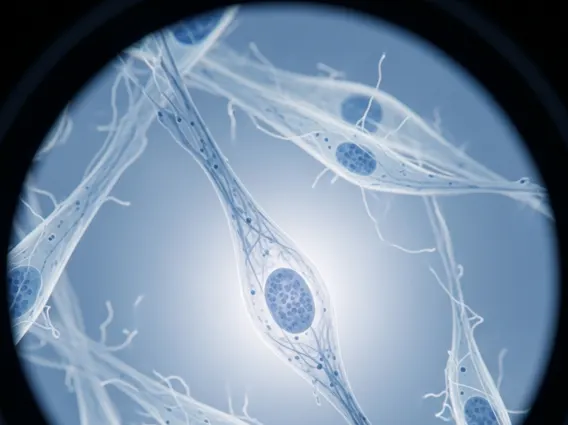
Understanding needle biopsy results involves a pathologist examining the collected tissue under a microscope. The pathologist looks for abnormal cell structures, patterns, and other indicators of disease. The results are usually available within a few days to a week and are then communicated to the patient by their healthcare provider. The report will typically classify the findings as benign (non-cancerous), malignant (cancerous), atypical (suspicious but not definitively cancerous), or indeterminate. Based on these results, the healthcare team will discuss the diagnosis, prognosis, and next steps, which may include further tests, treatment, or watchful waiting.