Nebulizer
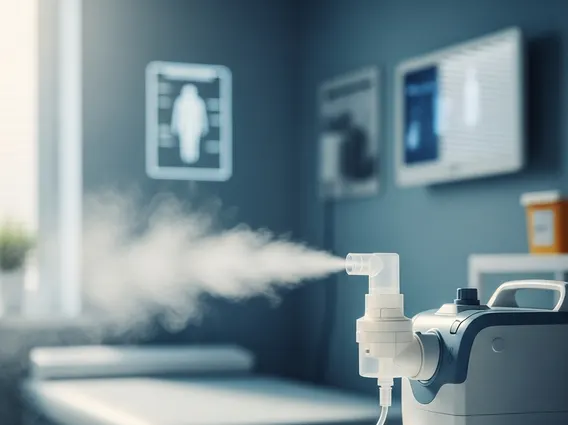
A Nebulizer is a crucial medical device designed to deliver medication directly to the lungs in the form of a fine mist. This method ensures efficient absorption, providing targeted relief for various respiratory conditions.
Key Takeaways
- A Nebulizer transforms liquid medication into an inhalable mist for direct lung delivery.
- It is commonly used to treat conditions like asthma, COPD, and cystic fibrosis.
- Benefits include rapid symptom relief and ease of use for all age groups.
- There are different types, including jet, ultrasonic, and mesh nebulizers, each with distinct mechanisms.
- Proper home use involves correct assembly, breathing techniques, and regular cleaning for effectiveness and hygiene.
What is a Nebulizer and How It Works
A Nebulizer is a medical device that converts liquid medication into a fine mist, allowing it to be inhaled directly into the lungs. This method is particularly effective for individuals who have difficulty using metered-dose inhalers, such as young children, older adults, or those with severe respiratory distress. The primary mechanism involves either a compressor that forces air through the liquid medicine, creating an aerosol, or ultrasonic vibrations that generate the mist.
The device typically consists of a base unit (compressor or ultrasonic generator), a small container for the liquid medication, and a mouthpiece or mask. When activated, the Nebulizer atomizes the medication, turning it into tiny droplets that can be easily inhaled deep into the respiratory tract. This direct delivery ensures that the medication reaches the affected areas of the lungs quickly and efficiently, providing rapid therapeutic effects.
Nebulizer Uses, Benefits, and Types
Nebulizer uses and benefits are extensive, primarily focusing on the management of chronic and acute respiratory conditions. They are widely prescribed for conditions such as asthma, chronic obstructive pulmonary disease (COPD), cystic fibrosis, and other respiratory illnesses that cause inflammation or constriction of the airways. The benefits include effective delivery of medication, which can lead to quick relief of symptoms like wheezing, shortness of breath, and chest tightness. Their ease of use makes them suitable for patients of all ages, including infants and those with limited coordination.
According to the World Health Organization (WHO), chronic respiratory diseases affect hundreds of millions of people globally, highlighting the critical role devices like nebulizers play in managing these conditions and improving quality of life. The direct delivery system minimizes systemic side effects often associated with oral medications, as the drug primarily acts locally in the lungs.
There are several types of nebulizers for respiratory conditions, each utilizing a different technology to create the medicinal mist:
- Jet Nebulizers: These are the most common type, using a compressed gas source (air or oxygen) to create a high-velocity stream that atomizes the liquid medication.
- Ultrasonic Nebulizers: These devices use high-frequency sound waves to vibrate a piezoelectric crystal, which in turn creates an aerosol from the liquid medication.
- Mesh Nebulizers: This newer technology uses a vibrating mesh with tiny holes to push liquid medication through, creating a very fine and consistent mist. They are often smaller, quieter, and more portable than other types.
How to Use a Nebulizer at Home
Using a Nebulizer at home effectively requires adherence to specific steps to ensure proper medication delivery and hygiene. Always begin by washing your hands thoroughly with soap and water. Gather all necessary components: the Nebulizer machine, medication, the medication cup, and the mask or mouthpiece. Measure the prescribed dose of liquid medication and pour it into the Nebulizer cup. If a diluent is required, add it as instructed by your healthcare provider.
Assemble the Nebulizer by attaching the medication cup to the compressor via tubing, and then connect the mouthpiece or mask to the medication cup. Sit upright in a comfortable position to allow for optimal lung expansion. Place the mouthpiece in your mouth, sealing your lips around it, or secure the mask over your nose and mouth. Turn on the Nebulizer machine and breathe slowly and deeply until all the medication has been nebulized, which typically takes 5 to 15 minutes. After each use, disassemble and clean the medication cup and mouthpiece/mask with warm water and mild detergent, rinsing thoroughly and allowing them to air dry to prevent bacterial growth. Always consult your doctor or pharmacist for specific instructions regarding your medication and Nebulizer model.