
Natural Remedies for Anxiety
Anxiety is a common mental health challenge affecting millions worldwide, often impacting daily life and overall well-being. While conventional treatments are effective, many individuals seek complementary approaches, exploring natural remedies for anxiety to find relief.
Key Takeaways
- Anxiety is a widespread condition, prompting many to explore natural and holistic approaches for relief.
- Herbal remedies like chamomile and ashwagandha, along with certain essential oils, can offer calming effects.
- Dietary adjustments, including nutrient-rich foods and avoiding stimulants, play a significant role in mental calm.
- Lifestyle changes such as regular exercise, adequate sleep, and mindfulness practices are crucial for reducing anxiety.
- Always consult a healthcare professional before starting any new natural treatment, especially if on medication or managing existing conditions.
Exploring Natural Remedies for Anxiety
Understanding Anxiety and Its Triggers
Anxiety is more than just feeling stressed; it’s a persistent and excessive worry about everyday situations. Globally, anxiety disorders are among the most prevalent mental health conditions. According to the World Health Organization (WHO), an estimated 301 million people lived with an anxiety disorder in 2019, including 58 million children and adolescents. Triggers can vary widely, encompassing genetic predispositions, brain chemistry, personality, and life events such as chronic stress, trauma, or even certain medical conditions. Recognizing these triggers is the first step toward finding effective strategies for natural anxiety relief.
Understanding the root causes helps individuals identify patterns and implement targeted interventions. While anxiety is a complex condition, many find that a holistic approach, combining various strategies, offers the most comprehensive support.
Why Consider Natural Approaches?
The appeal of natural approaches stems from a desire for fewer side effects, a holistic view of health, and the potential to complement conventional medical treatments. Many individuals are looking for anxiety natural treatment options that support overall well-being rather than just alleviating symptoms. These methods often focus on addressing the mind-body connection, promoting balance, and empowering individuals to take an active role in their health. Natural remedies can be particularly appealing for those seeking gentle, sustainable ways to manage their symptoms and improve their quality of life.
It’s important to view natural remedies as part of a broader wellness strategy, often working best when integrated with professional medical advice and a healthy lifestyle. They offer a pathway to managing anxiety symptoms through accessible and often less invasive means.
Herbal Remedies for Anxiety Relief
Popular Calming Herbs and Supplements
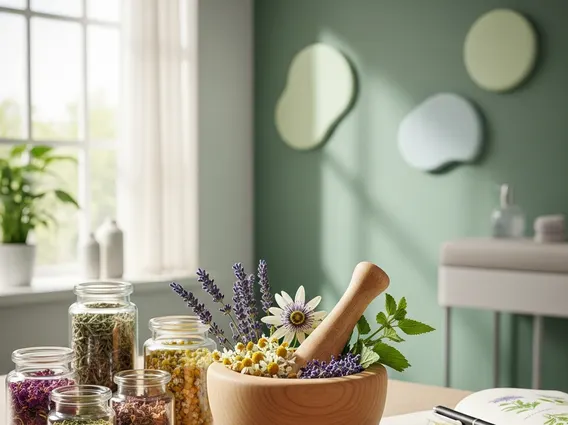
For centuries, various herbs have been utilized for their calming properties, making them popular herbal remedies for anxiety. These natural solutions can help soothe the nervous system and promote relaxation. However, it is crucial to consult a healthcare provider before incorporating any new supplement, especially if you are pregnant, breastfeeding, or taking other medications, as interactions can occur.
- Chamomile (Matricaria recutita): Widely known for its mild sedative effects, chamomile can help reduce general anxiety. It contains apigenin, an antioxidant that binds to specific receptors in the brain, decreasing anxiety and initiating sleep.
- Lavender (Lavandula angustifolia): Often used in aromatherapy, lavender can also be consumed as a tea or supplement. Its compounds are believed to interact with neurotransmitters to produce a calming effect, making it effective for mild anxiety and sleep disturbances.
- Valerian Root (Valeriana officinalis): This herb is frequently used to treat insomnia and anxiety. It’s thought to increase the amount of gamma-aminobutyric acid (GABA) in the brain, a neurotransmitter that helps regulate nerve impulses and calm the nervous system.
- Ashwagandha (Withania somnifera): An adaptogenic herb, ashwagandha helps the body manage stress more effectively. Studies suggest it can significantly reduce cortisol levels, the body’s primary stress hormone, thereby alleviating anxiety symptoms.
- Lemon Balm (Melissa officinalis): A member of the mint family, lemon balm has been traditionally used to improve mood and cognitive function, and to reduce stress and anxiety. It may work by increasing GABA levels in the brain.
Essential Oils for Stress Reduction
Essential oils, derived from plants, offer a fragrant and often effective way to reduce stress and promote relaxation through aromatherapy. When inhaled, the scent molecules in essential oils travel from the olfactory nerves directly to the brain, particularly impacting the amygdala, the brain’s emotional center. This can lead to a calming effect on the nervous system, contributing to home remedies for anxiety and stress.
Common essential oils used for anxiety relief include:
- Lavender: Known for its soothing and sedative properties, often used to improve sleep and reduce anxiety.
- Bergamot: A citrus oil that can uplift mood and reduce feelings of stress and agitation.
- Frankincense: Believed to promote feelings of peace and relaxation, often used in meditation.
- Ylang Ylang: Can help reduce heart rate and blood pressure, promoting a sense of calm.
- Clary Sage: Often used to alleviate stress and balance hormones, contributing to overall emotional well-being.
Essential oils can be diffused, inhaled directly from the bottle, or diluted with a carrier oil (like jojoba or almond oil) and applied topically to pulse points or the temples. Always perform a patch test before topical application and ensure proper ventilation when diffusing.
Dietary Changes for Natural Anxiety Relief
Foods That Support Mental Calm
What we eat significantly impacts our mood and cognitive function. Incorporating certain foods into your diet can be an excellent strategy for how to naturally reduce anxiety. A balanced diet rich in specific nutrients can support brain health and help regulate mood. Focus on whole, unprocessed foods to provide your body with the building blocks for mental well-being.
- Omega-3 Fatty Acids: Found in fatty fish (salmon, mackerel, sardines), flaxseeds, and walnuts, omega-3s are crucial for brain health and have anti-inflammatory properties that can help reduce anxiety symptoms.
- Probiotic-Rich Foods: Fermented foods like yogurt, kefir, sauerkraut, and kimchi support a healthy gut microbiome, which is increasingly linked to brain health and mood regulation. The gut-brain axis plays a vital role in anxiety.
- Magnesium-Rich Foods: Leafy greens, nuts, seeds, legumes, and whole grains are excellent sources of magnesium, a mineral vital for nerve function and muscle relaxation. Magnesium deficiency has been associated with increased anxiety.
- B Vitamins: Found in whole grains, lean meats, eggs, and leafy greens, B vitamins (especially B6, B9, and B12) are essential for neurotransmitter production, including serotonin and dopamine, which regulate mood.
- Antioxidant-Rich Foods: Berries, dark chocolate, and colorful vegetables contain antioxidants that protect brain cells from oxidative stress, potentially reducing anxiety.
Avoiding Anxiety-Inducing Foods
Just as some foods can promote calm, others can exacerbate anxiety symptoms. Being mindful of what you consume and avoiding certain triggers can be an effective part of your natural anxiety relief strategy. These dietary adjustments are simple yet powerful steps towards better mental health.
- Caffeine: While a morning coffee might seem harmless, excessive caffeine intake can mimic anxiety symptoms like jitters, increased heart rate, and nervousness. Reducing or eliminating caffeine can significantly improve anxiety levels for many.
- Refined Sugar and Processed Foods: Foods high in refined sugars and unhealthy fats can lead to blood sugar spikes and crashes, which can trigger mood swings and anxiety. They also contribute to inflammation, which is linked to mental health issues.
- Alcohol: Initially, alcohol might seem to reduce anxiety, but it’s a central nervous system depressant that can disrupt sleep and worsen anxiety symptoms as its effects wear off, leading to a rebound effect.
- Artificial Sweeteners and Additives: Some individuals report increased anxiety or other adverse reactions to artificial sweeteners and food additives. Opting for whole, natural foods can help avoid these potential triggers.
Lifestyle Adjustments to Naturally Reduce Anxiety
The Power of Exercise and Quality Sleep
Beyond diet and herbs, lifestyle choices play a monumental role in managing anxiety. Regular physical activity and adequate, restorative sleep are among the best natural ways to calm anxiety and promote overall mental resilience. These practices are fundamental pillars of mental health, offering profound benefits without the need for medication.
Exercise: Engaging in regular physical activity is a powerful antidote to stress and anxiety. Exercise releases endorphins, natural mood elevators, and helps reduce the levels of stress hormones like cortisol. It also provides a healthy outlet for pent-up energy and tension. Aim for at least 30 minutes of moderate-intensity exercise most days of the week. Activities like brisk walking, jogging, cycling, swimming, or dancing can significantly improve mood and reduce anxiety symptoms.
Quality Sleep: Sleep deprivation can severely impact mental health, often exacerbating anxiety. Prioritizing 7-9 hours of quality sleep per night is crucial. Establishing a consistent sleep schedule, creating a relaxing bedtime routine, ensuring a dark and quiet sleep environment, and avoiding screens before bed can improve sleep hygiene. Adequate sleep allows the brain to process emotions and consolidate memories, contributing to emotional stability and reduced anxiety.
Mindfulness and Relaxation Techniques
Incorporating mindfulness and relaxation techniques into your daily routine can be incredibly effective natural solutions for anxiety. These practices teach you to be present, observe your thoughts without judgment, and actively calm your nervous system. They are accessible tools that can be used anywhere, anytime, to manage acute anxiety or prevent its onset.
- Meditation: Mindfulness meditation involves focusing on your breath and observing thoughts and sensations as they arise, without getting carried away by them. Regular meditation practice can rewire the brain, reducing activity in the amygdala (the fear center) and increasing activity in areas associated with calm and focus.
- Deep Breathing Exercises: Simple yet powerful, deep breathing techniques (like diaphragmatic breathing or box breathing) can quickly activate the parasympathetic nervous system, which is responsible for the “rest and digest” response. This slows heart rate, lowers blood pressure, and promotes relaxation.
- Yoga and Tai Chi: These practices combine physical postures, breathing exercises, and meditation. They are excellent for improving flexibility, strength, and balance, while also fostering a sense of calm and reducing stress. The mindful movement aspect helps to ground individuals and reduce racing thoughts.
- Progressive Muscle Relaxation (PMR): PMR involves tensing and then relaxing different muscle groups throughout the body. This technique helps individuals become more aware of physical tension and learn to release it, promoting deep relaxation.
Regular practice of these techniques can build resilience against stress and anxiety, offering sustainable ways to maintain mental well-being.
Frequently Asked Questions
Are natural remedies safe for everyone?
While many natural remedies are generally considered safe, their suitability varies greatly depending on individual health conditions, existing medications, and potential allergies. For instance, some herbs can interact with prescription drugs or be unsafe during pregnancy. It is always crucial to consult a healthcare professional before starting any new natural treatment, especially if you have underlying health issues or are taking other medications, to ensure safety and avoid adverse effects.
How long does it take for natural remedies to work?
The time it takes for natural remedies to show effects can vary significantly based on the individual, the severity of anxiety, and the specific remedy used. Lifestyle changes like diet and exercise may show gradual improvements over weeks or months, while some herbal supplements might offer more immediate, though subtle, relief. Consistency is key, and it’s important to have realistic expectations. Natural approaches often work best as part of a long-term, holistic strategy rather than a quick fix.
Can natural remedies replace medication for anxiety?
For some individuals with mild anxiety, natural remedies and lifestyle changes may be sufficient to manage symptoms. However, for moderate to severe anxiety disorders, natural remedies are generally considered complementary to, rather than a replacement for, conventional medical treatment, including medication or therapy. Always discuss your treatment plan with a doctor. Discontinuing prescribed medication without medical supervision can be dangerous and is strongly discouraged.
Disclaimer: The information provided in this article is for educational purposes only and is not intended to be a substitute for professional medical advice, diagnosis, or treatment. Always seek the advice of your physician or other qualified health provider with any questions you may have regarding a medical condition. Never disregard professional medical advice or delay in seeking it because of something you have read here.



